SECASSURED’s Athens Kick-Off Marks a New Phase in Cybersecurity
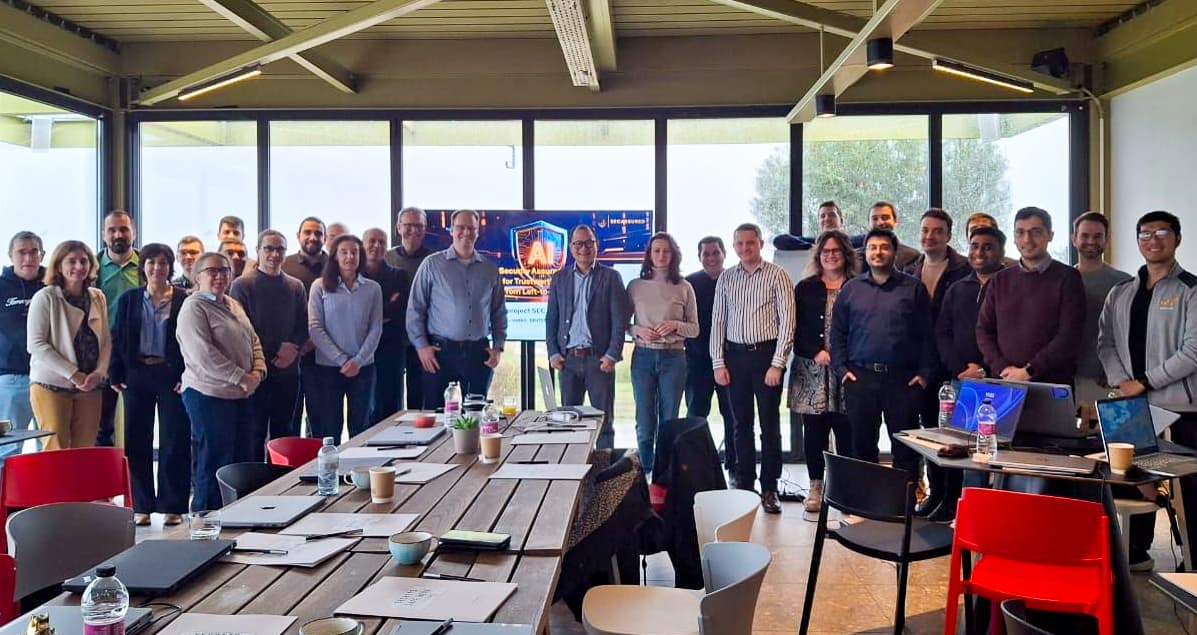
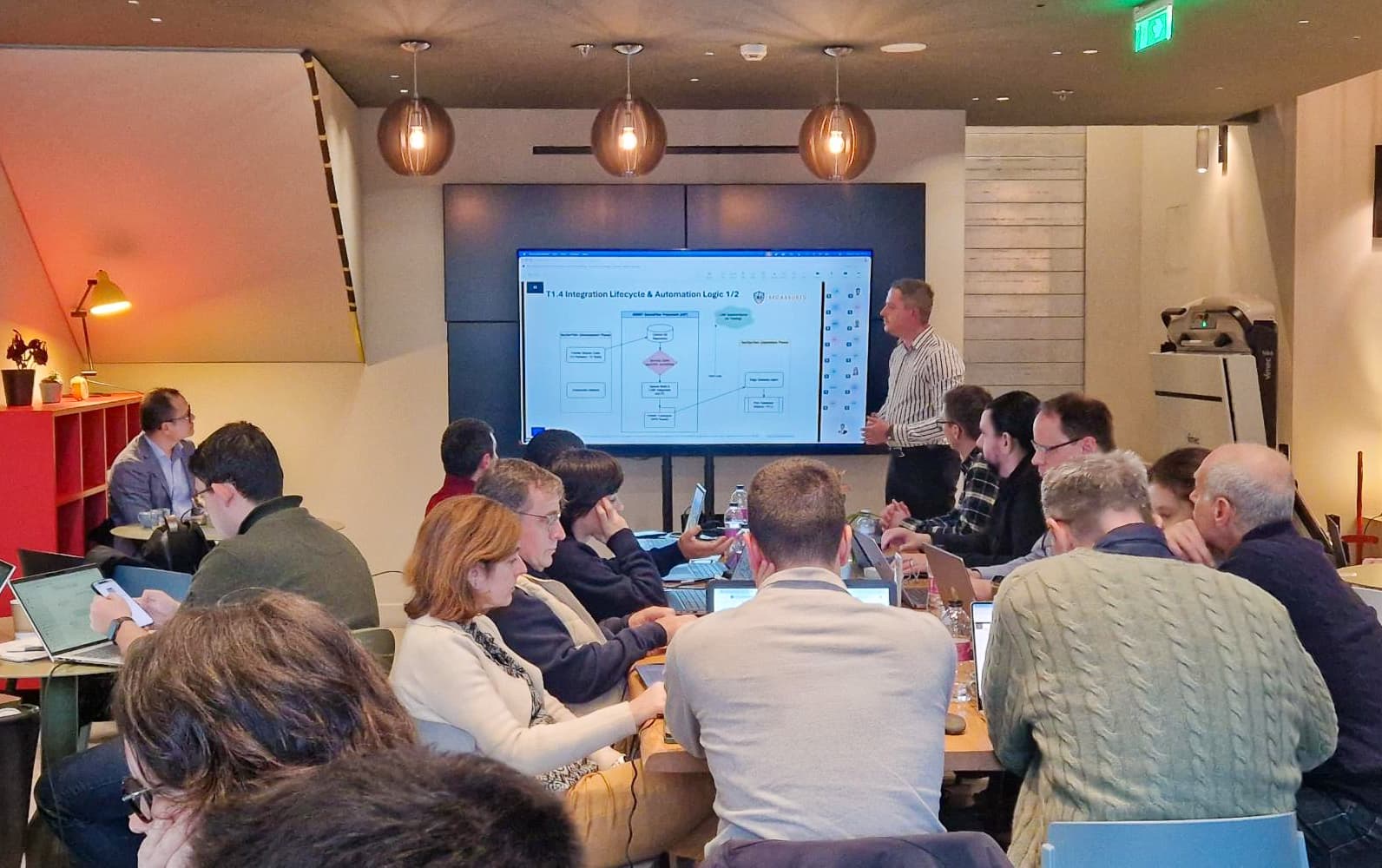
Early 2026 finds ASSIST further consolidating its role in cybersecurity R&D projects developed together with strong European consortia. In this context, the SECASSURED kick-off meeting – hosted by PPC in Athens, Greece, on January 21–22 – represented an important milestone.
Beyond aligning on project objectives and next steps, the meeting provided a valuable opportunity to work side by side with renowned research organisations, establish connections with partners we are collaborating with for the first time, and further strengthen relationships with trusted organisations from previous initiatives.
Why SECASSURED Matters: Addressing Real-World Cyber Threats
The scope and relevance of the project are strongly grounded in the evolving European cybersecurity landscape, where recent large-scale cyberattacks have highlighted systemic vulnerabilities across critical sectors. Incidents affecting major commercial actors such as IKEA, as well as disruptions reported at European airports and other critical infrastructures, have demonstrated how cyber threats can rapidly propagate across interconnected digital and operational systems.
From Threats to Action: Assurance-Driven Security Engineering
These high-impact incidents demonstrate that cyberattacks are no longer abstract risks, but tangible threats capable of disrupting essential services, supply chains, and user trust at scale. This reality motivates the project’s focus on assurance-driven security engineering across diverse sectors, ensuring that digital systems are resilient by design and continuously protected throughout their lifecycle. To translate this strategic imperative into concrete impact, the project is validated through five real-world use cases spanning telecommunications, aerospace manufacturing , renewable energy prosumers, smart electric vehicle charging infrastructure and e-health systems, each demonstrating how tailored assurance-driven solutions enhance security, compliance, and operational confidence in critical digital domains.
The meeting in Athens provided an important opportunity to explore these use cases in greater depth, ensuring a shared understanding and strong alignment between technical partners and end users.
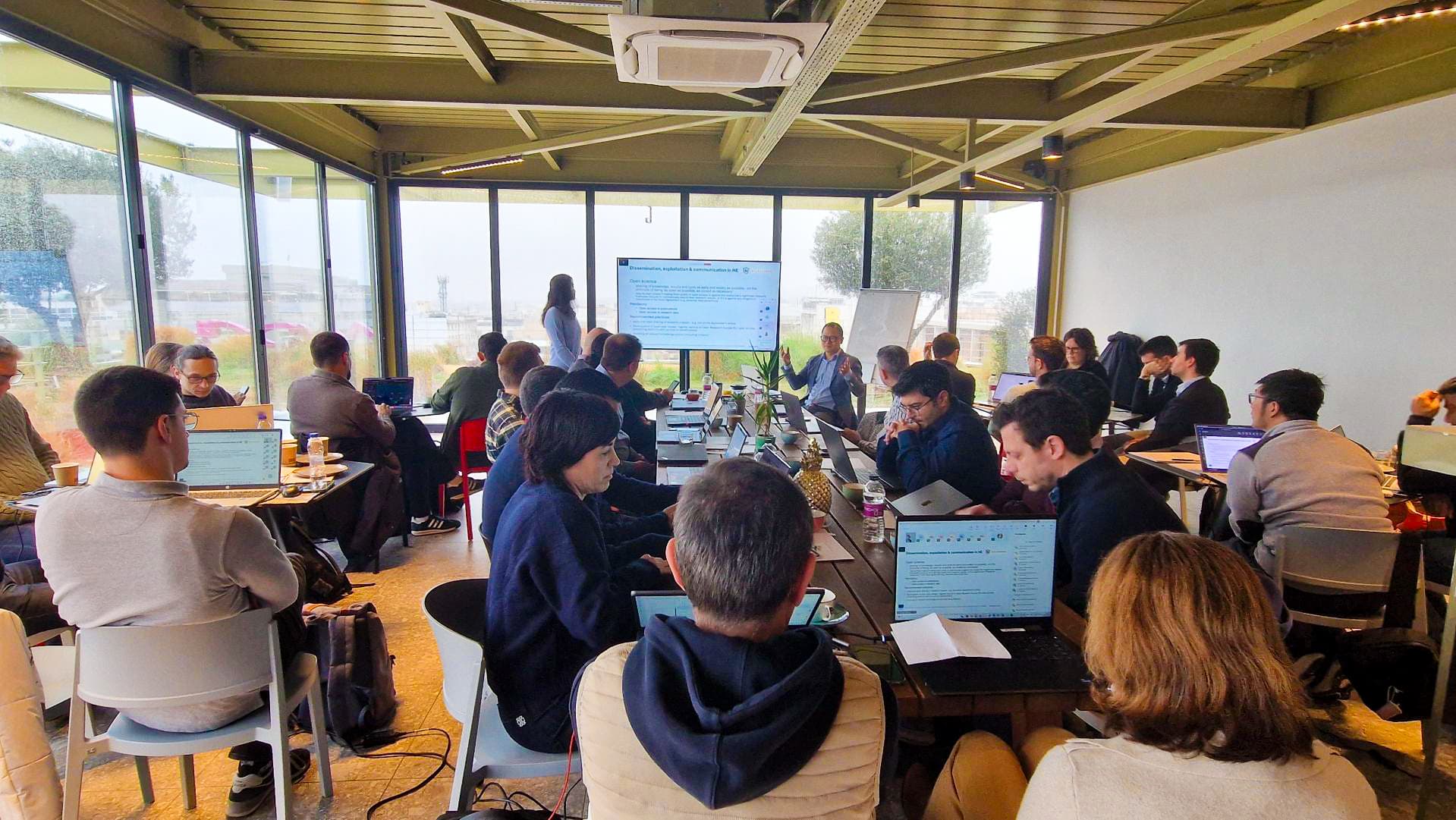
Partners presented the project’s three technological pillars, which together comprise a suite of twelve security tools and services. These components are designed to support assurance-driven cybersecurity across the full system lifecycle, from design and development to deployment, monitoring, and continuous improvement. The discussions enabled the consortium to position each tool within the overall architecture, define interdependencies, and agree on integration priorities, ultimately setting a clear and coordinated implementation plan for the upcoming project period.
ASSIST’s role: Orchestrating a Cohesive System
Within SECASSURED, ASSIST has a central role in ensuring that the project operates as an integrated system rather than a set of standalone tools. Our contribution goes beyond technical integration, focusing on operational coherence and continuous assurance across all technological pillars. In practice, this means ensuring that all partner tools adhere to common packaging standards through containerisation and interoperable communication, allowing them to be securely combined and to function together within a unified architecture. By applying SecureFlow-based CI/CD practices, ASSIST enables systematic testing, scalable deployment, and continuous assurance, ensuring that security mechanisms remain active and verifiable as systems evolve.
Looking Ahead
After nearly six months of foundational work, the consortium will reconvene in June in Oslo, Norway. The meeting will focus on synchronizing efforts, reviewing progress, and aligning partners as we prepare to build upon the initial achievements and advance the next phase of project implementation.
Funding and Support
The SECASSURED project is supported by the Horizon Europe program through the European Cybersecurity Industrial, Technology and Research Competence Centre. Submitted under the HORIZON-CL3-2024-CS-01 call for proposals (project ID 101225858), this funding enables the consortium to advance cutting-edge research, develop robust AI-driven security solutions, and bring innovative, trustworthy security engineering practices closer to real-world adoption.