EveryFish Beyond Technological Innovation

In its final year of implementation, the EveryFish project, coordinated by SINTEF Ocean, demonstrates that its impact extends well beyond technological advancement. While developing innovative digital solutions for fisheries monitoring and management, the project actively contributes to multiple Sustainable Development Goals (SDGs) and supports the objectives of the Global Biodiversity Framework. 
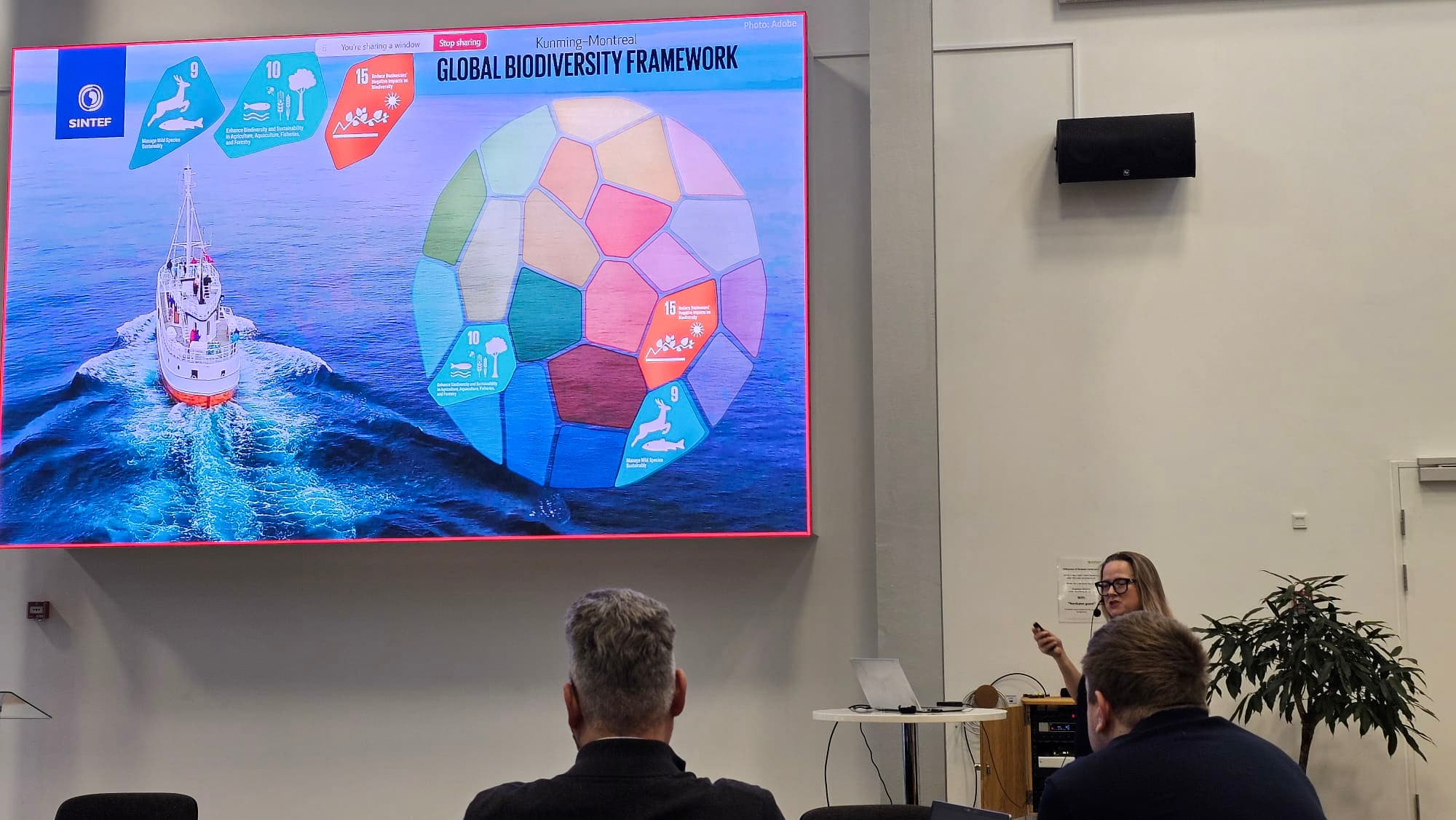
Everyfish_Consortium_Denmark_1_ASSIST_Software

In 2025, EveryFish was officially designated as a UN Ocean Decade Activity, a recognition that highlights its strategic contribution to SDG 14 – Life Below Water. In particular, the project advances Target 14.4, supporting global efforts to effectively regulate harvesting, prevent overfishing, and restore fish stocks to sustainable levels. 

Technological Foundation: AI and Computer Vision in Action

By combining data-driven technologies with responsible fisheries management practices, EveryFish demonstrates how digital innovation can translate into measurable impact for ocean conservation, biodiversity protection, and the long-term sustainability of marine ecosystems.
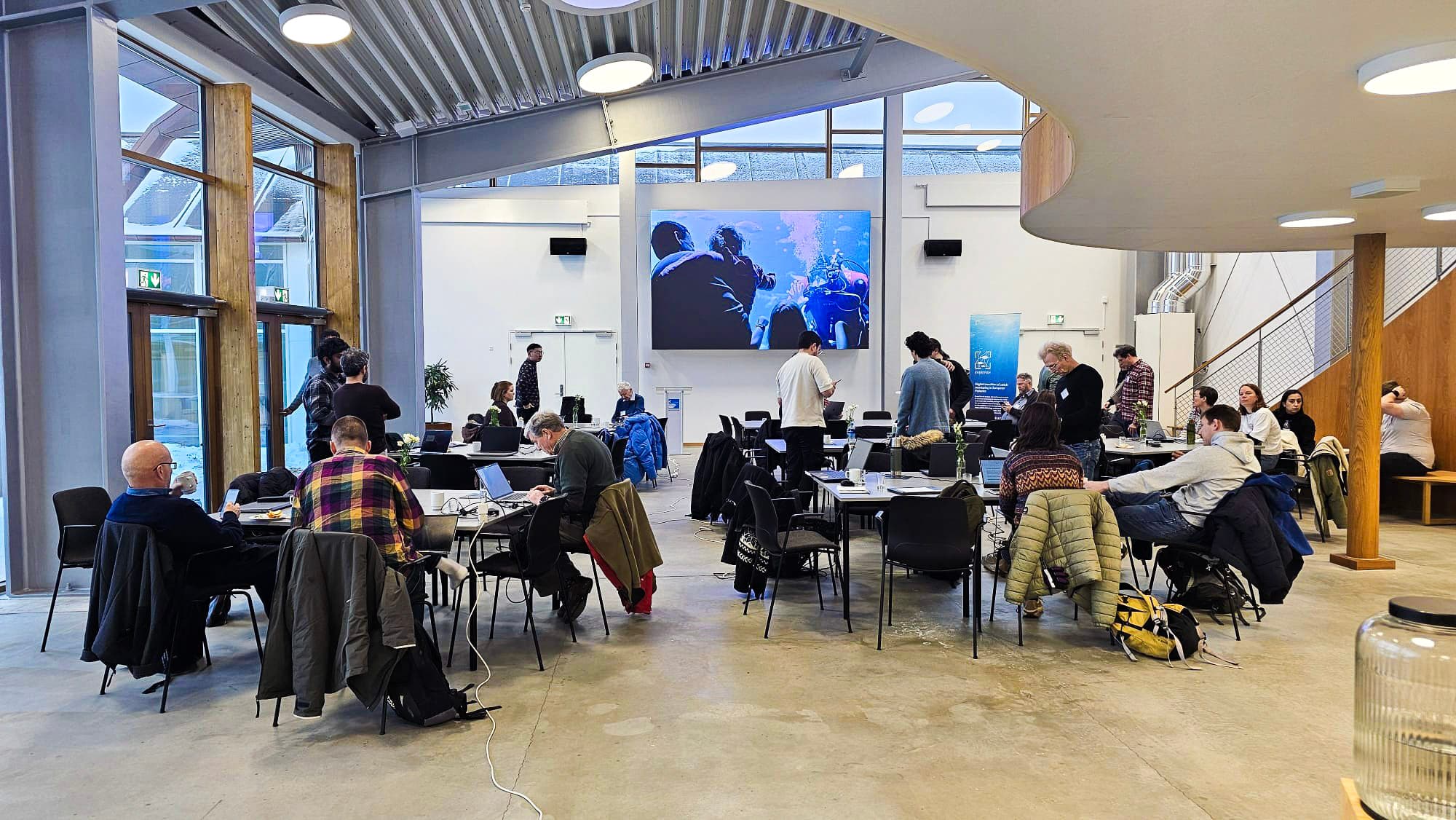
Everyfish_Consortium_Denmark_3_ASSIST_Software

At the core of this impact lies a robust technological foundation. EveryFish uses advanced computer vision and artificial intelligence to automatically recognise fish species, estimate their size and weight, and convert physical catches into accurate digital records — eliminating the need for manual reporting. Cameras mounted above conveyor belts capture images during processing, and the system transforms these visuals into structured, standardised catch data ready for compliance and analysis.

EveryFish Annual Meeting in Hirtshals, Denmark

Against this backdrop of growing recognition and tangible impact, the EveryFish consortium gathered on 10–12 February 2026 in Hirtshals, Denmark, hosted by the Technical University of Denmark (DTU).

The meeting marked a key milestone in the project’s final implementation phase — an opportunity for partners to assess progress, consolidate results, and align the final steps toward delivering sustainable, scalable solutions for fisheries management. 
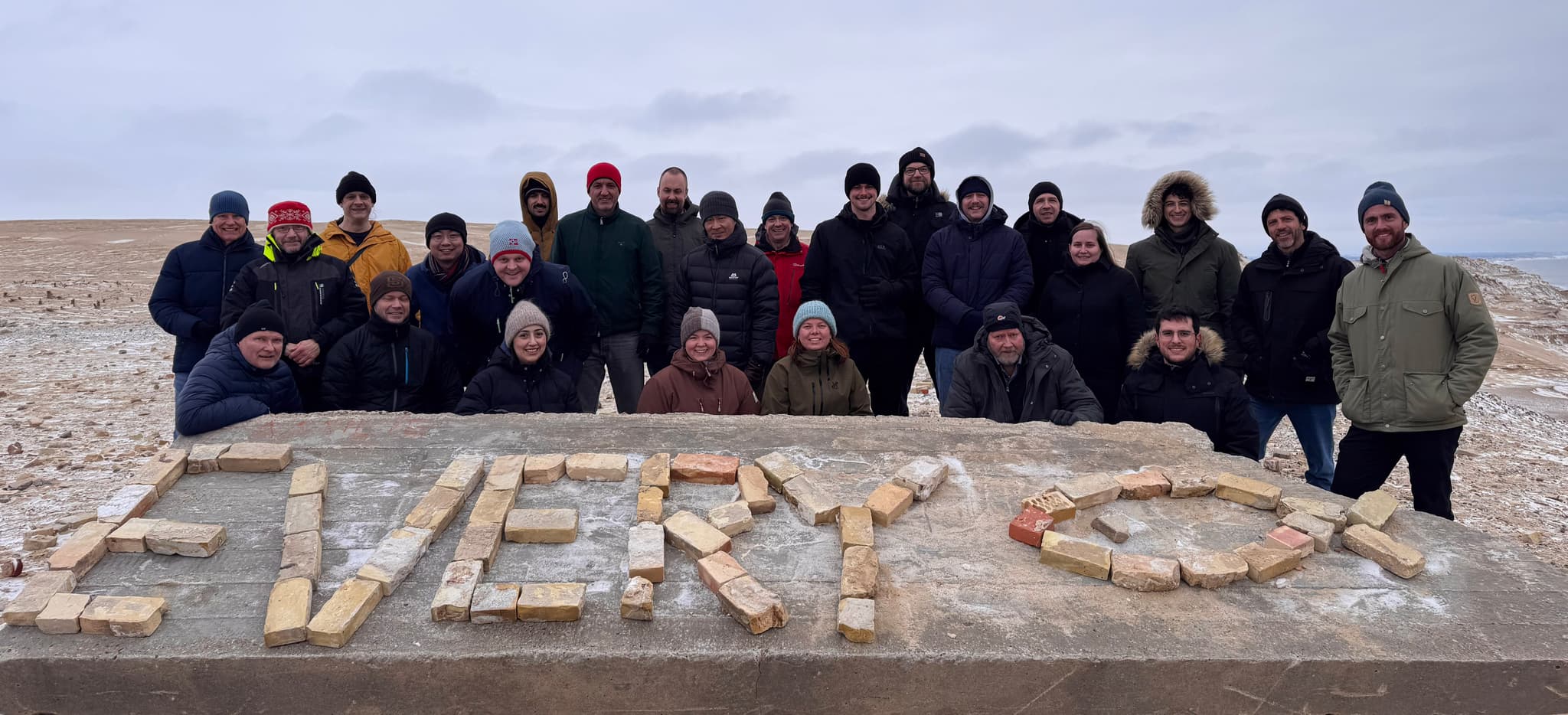
Everyfish_Consortium_Denmark_4_ASSIST_Software

Over three intensive days of discussions, technical reviews, and strategic planning, the consortium focused on ensuring that EveryFish’s innovations not only reach maturity but also achieve lasting impact beyond the project’s lifetime. 

With the AI-powered CatchScanner and anomaly detection components reaching technical maturity, the emphasis is now on ensuring secure data flows, system interoperability, and actionable visualisation of results. 

What Is Assist Software’s Role in the Everyfish Project?

ASSIST Software plays a pivotal role in strengthening trust and transparency within the EveryFish ecosystem with the traceability system we are responsible for. By integrating Distributed Ledger Technology (DLT), ASSIST ensures that automatically generated catch records are not only accurate, but also tamper-proof and traceable across stakeholders. This layer of trust is essential for regulatory compliance, cross-border fisheries governance, and long-term adoption.  

Beyond the advancements of the DLT system, ASSIST’s team – represented at the annual meeting by Petru Cioată and Bianca Bordianu – also  showcased the progress of the fisheries management dashboard. This dashboard transforms complex datasets into intuitive, actionable insights, empowering fishers and regulators alike to make data-driven decisions and further strengthening the practical impact of EveryFish
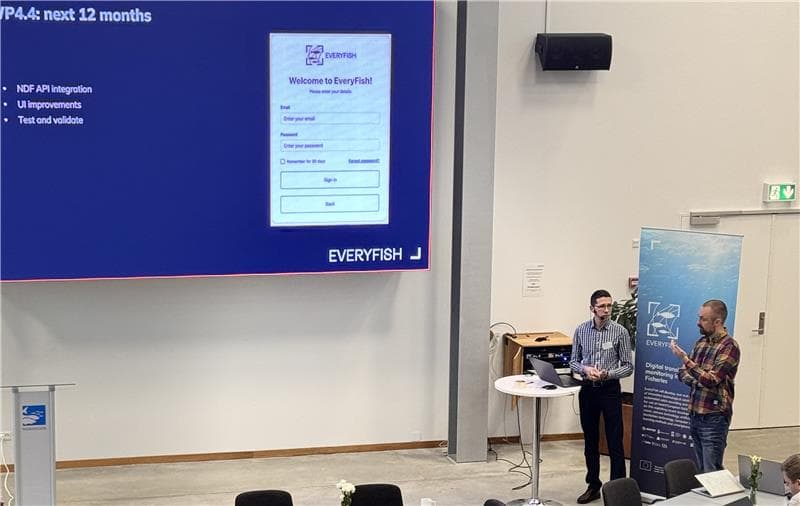
Everyfish_6_ASSIST_Software

Funding and Support

The EveryFish project – Digital transition of catch monitoring in European Fisheries – has received funding from the Horizon Europe Framework Programme under the call HORIZON-CL6-2021-FARM2FORK-01-11: Digital transition supporting inspection and control for sustainable fisheries (IA), with Grant Agreement ID 101059892.
Share on:

I have read and understood the ASSIST Software website's Terms of Use and Privacy Policy.

Want to stay on top of everything?

Get updates on industry developments and the software solutions we can now create for a smooth digital transformation.

Frequently Asked Questions

1. Can you integrate AI into an existing software product?

Absolutely. Our team can assess your current system and recommend how artificial intelligence features, such as automation, recommendation engines, or predictive analytics, can be integrated effectively. Whether it's enhancing user experience or streamlining operations, we ensure AI is added where it delivers real value without disrupting your core functionality.

2. What types of AI projects has ASSIST Software delivered?

We’ve developed AI solutions across industries, from natural language processing in customer support platforms to computer vision in manufacturing and agriculture. Our expertise spans recommendation systems, intelligent automation, predictive analytics, and custom machine learning models tailored to specific business needs.

3. What is ASSIST Software's development process?  

The Software Development Life Cycle (SDLC) we employ defines the stages for a software project. Our SDLC phases include planning, requirement gathering, product design, development, testing, deployment, and maintenance.

4. What software development methodology does ASSIST Software use?  

ASSIST Software primarily leverages Agile principles for flexibility and adaptability. This means we break down projects into smaller, manageable sprints, allowing continuous feedback and iteration throughout the development cycle. We also incorporate elements from other methodologies to increase efficiency as needed. For example, we use Scrum for project roles and collaboration, and Kanban boards to see workflow and manage tasks. As per the Waterfall approach, we emphasize precise planning and documentation during the initial stages.

5. I'm considering a custom application. Should I focus on a desktop, mobile or web app?  

We can offer software consultancy services to determine the type of software you need based on your specific requirements. Please explore what type of app development would suit your custom build product.   

  • A web application runs on a web browser and is accessible from any device with an internet connection. (e.g., online store, social media platform)   
  • Mobile app developers design applications mainly for smartphones and tablets, such as games and productivity tools. However, they can be extended to other devices, such as smartwatches.    
  • Desktop applications are installed directly on a computer (e.g., photo editing software, word processors).   
  • Enterprise software manages complex business functions within an organization (e.g., Customer Relationship Management (CRM), Enterprise Resource Planning (ERP)).

6. My software product is complex. Are you familiar with the Scaled Agile methodology?

We have been in the software engineering industry for 30 years. During this time, we have worked on bespoke software that needed creative thinking, innovation, and customized solutions. 

Scaled Agile refers to frameworks and practices that help large organizations adopt Agile methodologies. Traditional Agile is designed for small, self-organizing teams. Scaled Agile addresses the challenges of implementing Agile across multiple teams working on complex projects.  

SAFe provides a structured approach for aligning teams, coordinating work, and delivering value at scale. It focuses on collaboration, communication, and continuous delivery for optimal custom software development services. 

7. How do I choose the best collaboration model with ASSIST Software?  

We offer flexible models. Think about your project and see which model would be right for you.   

  • Dedicated Team: Ideal for complex, long-term projects requiring high continuity and collaboration.   
  • Team Augmentation: Perfect for short-term projects or existing teams needing additional expertise.   
  • Project-Based Model: Best for well-defined projects with clear deliverables and a fixed budget.   

Contact us to discuss the advantages and disadvantages of each model. 

ASSIST Software Team Members