7 Award-Winning AI Projects from Best Innovative Minds 2025: Healthcare to Accessibility Innovation
1 Best Innovative Minds 2025: From Concept Development to Market-Ready Solutions
2 The Winning AI Projects
2.1 First Place & People's Choice Awards: RaceBox AI – Real-Time Remote Vehicle Tracking
2.2 Second Place: PerAware – AI-Powered Cybersecurity Training Platform
2.3 Third Place: BugHive – AI-Based Software Quality Analysis Platform
3 Outstanding Finalist Projects
3.1 Most Disruptive Technology: myHealthCoach – AI-Powered Metabolic Health Platform
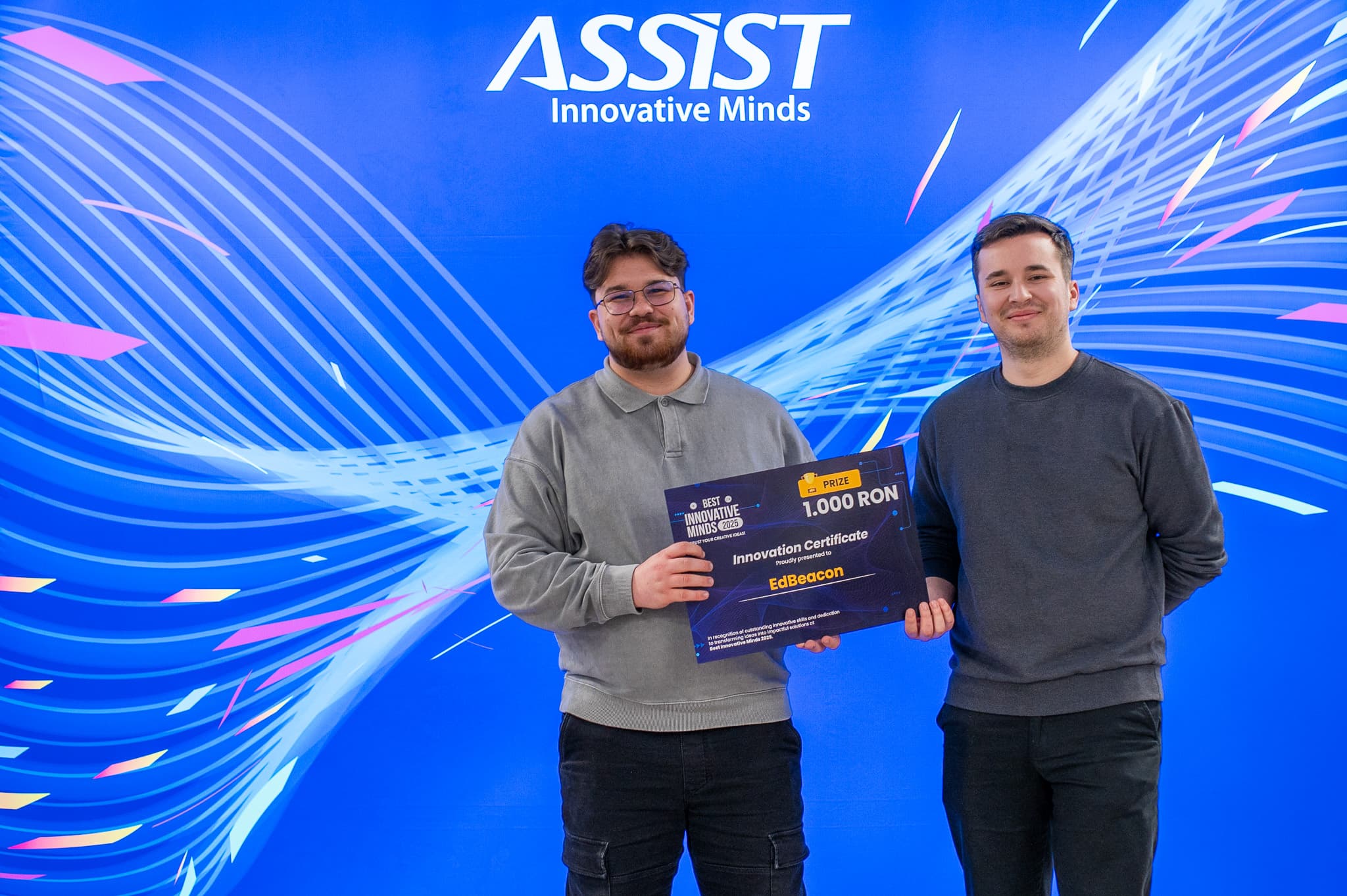
3.2 EdBeacon – AI-Native Learning Management System
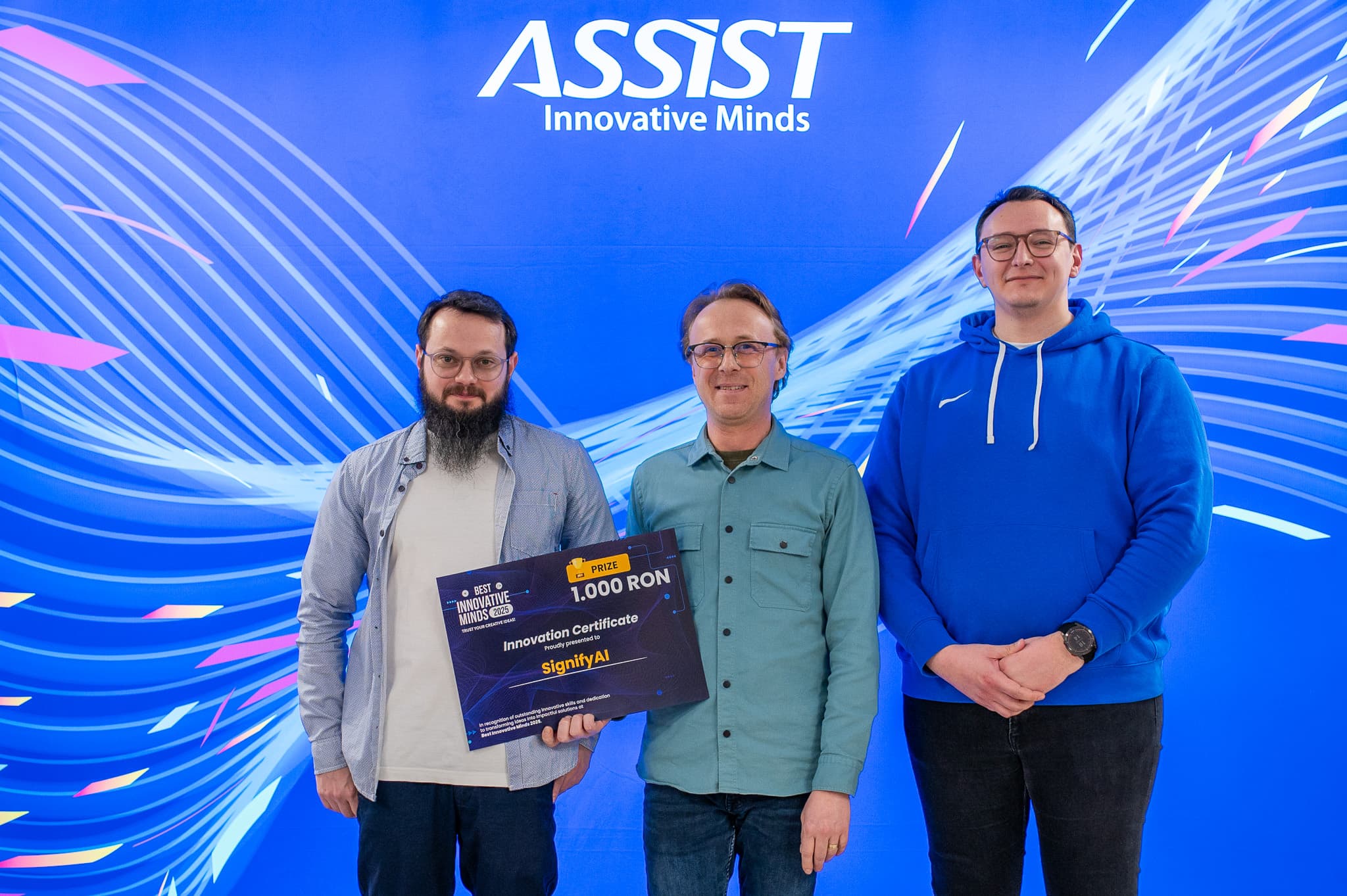
3.3 SignifyAI – Real-Time Romanian Sign Language Translation
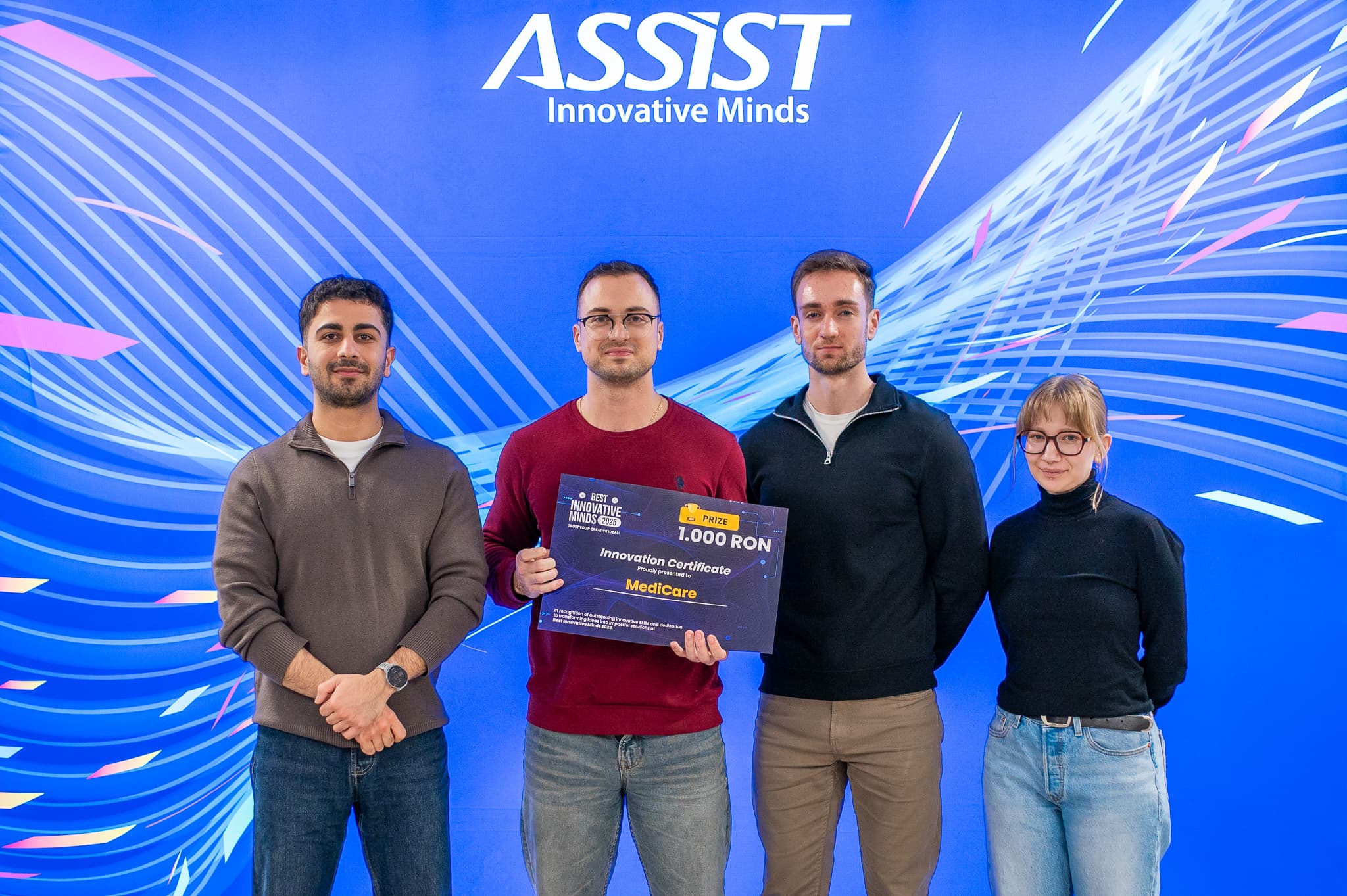
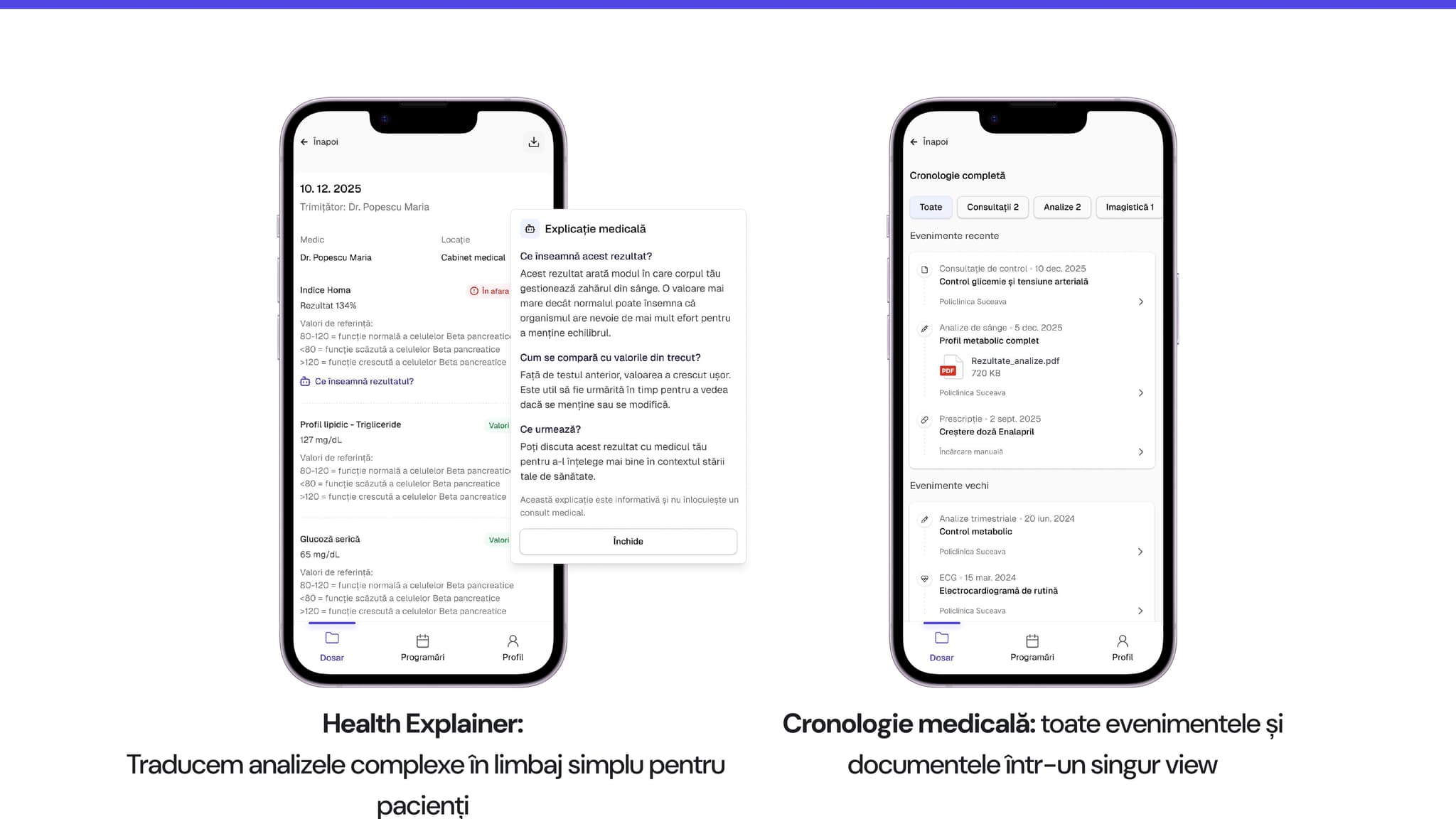
3.4 MediCare – AI-Powered Healthcare Data Integration Platform
4 What BIM 2025 Demonstrated About AI Innovation
5 Frequently Asked Questions About the Best Innovative Minds Competition
Best Innovative Minds (BIM) is ASSIST Software's annual internal innovation competition, where development teams spend several months transforming ambitious ideas into production-ready AI-powered prototypes. Unlike typical hackathons, BIM provides sustained support with ongoing feedback from industry experts, mentorship, and resources to build fully functional solutions with clear paths to market deployment.
Innovation emerges when talented teams tackle genuine problems with cutting-edge technology and creative thinking. At ASSIST Software, our annual Best Innovative Minds competition creates the space for this kind of breakthrough work.
This year's edition brought together developers, designers, and engineers who spent months transforming ambitious ideas into working solutions. The ASSIST Software team once again demonstrated that innovation stems from passion, research, and collaboration. The seven finalist projects showcased ingenuity across diverse fields, including health, education, automotive engineering, cybersecurity, and solutions for people with disabilities.
Here's what emerged from months of late-night coding, iterative design, and relentless problem-solving.
1 Best Innovative Minds 2025: From Concept Development to Market-Ready Solutions
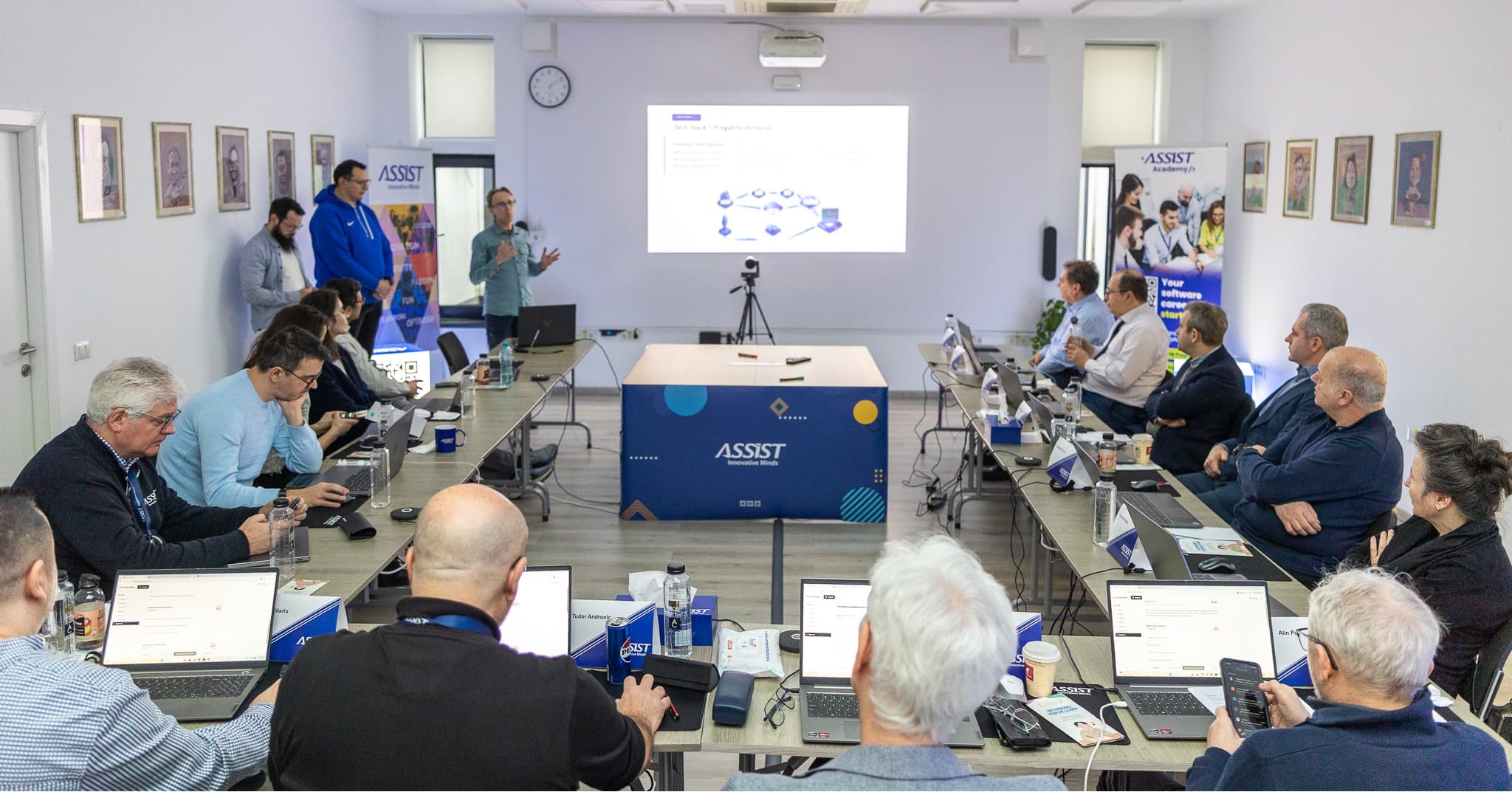
Starting in September 2025, teams submitted their concepts and entered an intensive development phase. Unlike traditional hackathons, BIM provides sustained support over several months. Participants receive continuous feedback from industry experts, refine their solutions iteratively, and build production-ready prototypes.
The evaluation process brought together a multidisciplinary jury composed of industry partners, technology leaders, AI specialists, academic representatives from Ștefan cel Mare University of Suceava, and senior executives from ASSIST Software. This balanced panel ensured projects were assessed from technical, academic, and market perspectives.
Projects were presented as functional AI-powered prototypes and evaluated against clearly defined criteria, including technical innovation, real-world applicability, scalability, and market potential.
By February 2026, the final presentations showcased fully functional solutions with clear paths toward market deployment. The competition recognized both technical excellence and practical viability, awarding prizes totaling approximately €5,000 and creating opportunities for further development beyond the event itself.
2 The Winning AI Projects
2.1 First Place & People's Choice Awards: RaceBox AI – Real-Time Remote Vehicle Tracking
Team members: Ionut Mindrescu, Bogdan Otrocol, Iulian Lavric
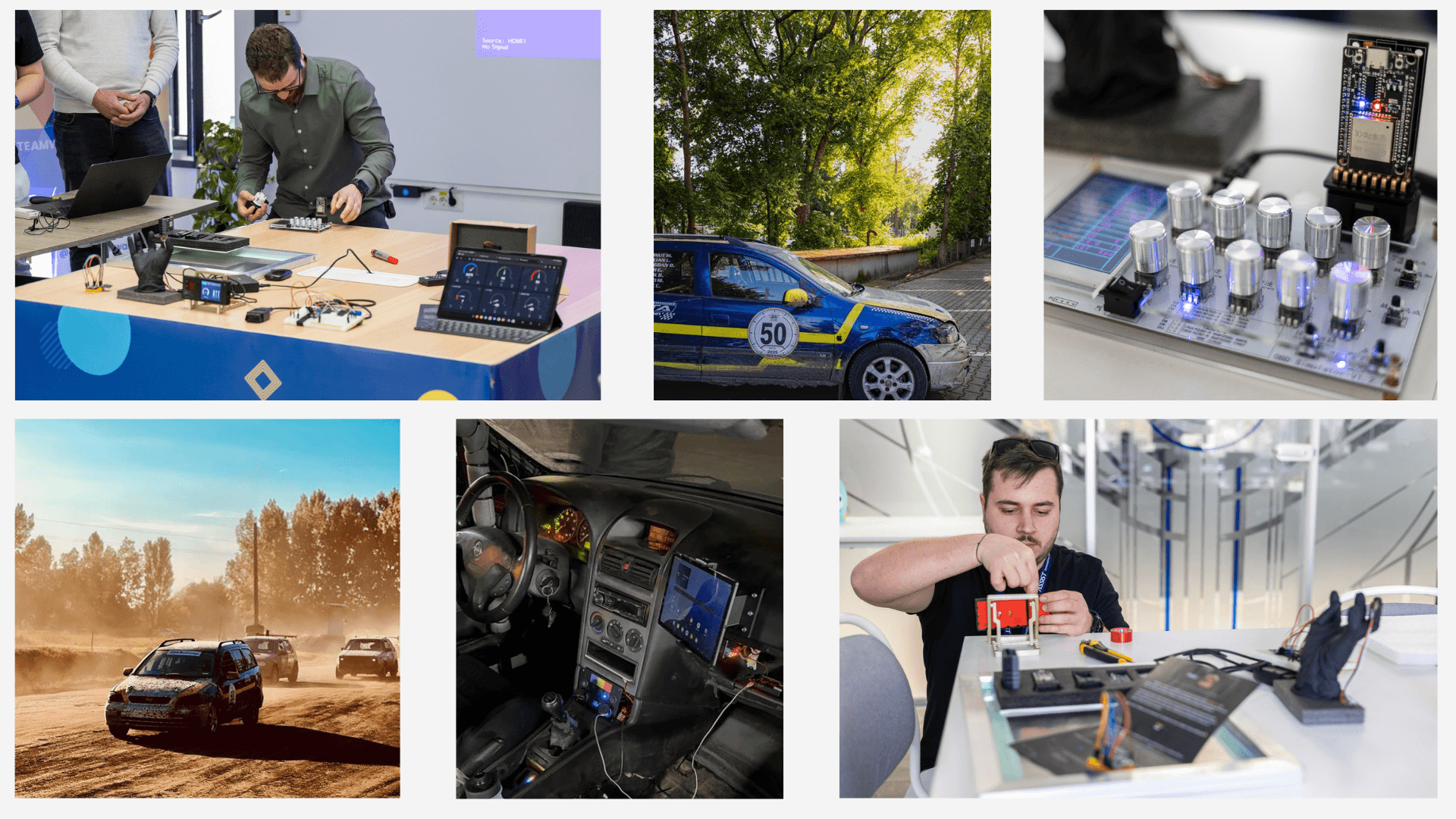
The Problem: Racing pilots need to monitor their vehicles remotely to avoid damaging engines and other systems during competition, but lack tools that provide real-time diagnostics and AI-powered insights for both competitive and daily driving.
The Solution: RaceBox AI is a ready-to-use hardware and software system built from scratch that detects errors, monitors live vehicle parameters, and interprets data with AI for both competition cars and regular vehicles, enabling remote diagnostics and DIY repairs.
Technologies:
- KiCad: Schematic and PCB development
- ESPNOW: Real-time communication with widgets
- C++: Hardware device firmware
- React & Laravel: Web application
Key Features:
- Real-time remote telematics from the vehicle
- Plug-and-play device via OBDII port, ready to use
- Ability to pair the main device with custom-built widgets to extend features (display, GPS, accelerometer, etc.)
- AI integration for remote vehicle DTC diagnosis
Impact on Industry: This product started as a device for pilots but expanded to users across multiple domains for remote diagnostics and fleet tracking. The team received feedback from their first clients and prepared to release the new version.
Team Perspective:
"A team of three people sharing the same passion for cars and technology managed, with minimal resources, to bring a revolutionary product to the market. Since its launch, it has already seen high demand across various industries. Creating a product that you know will bring change to a specific field is a source of indescribable satisfaction." - Ionut Mindrescu, Senior Software Engineer
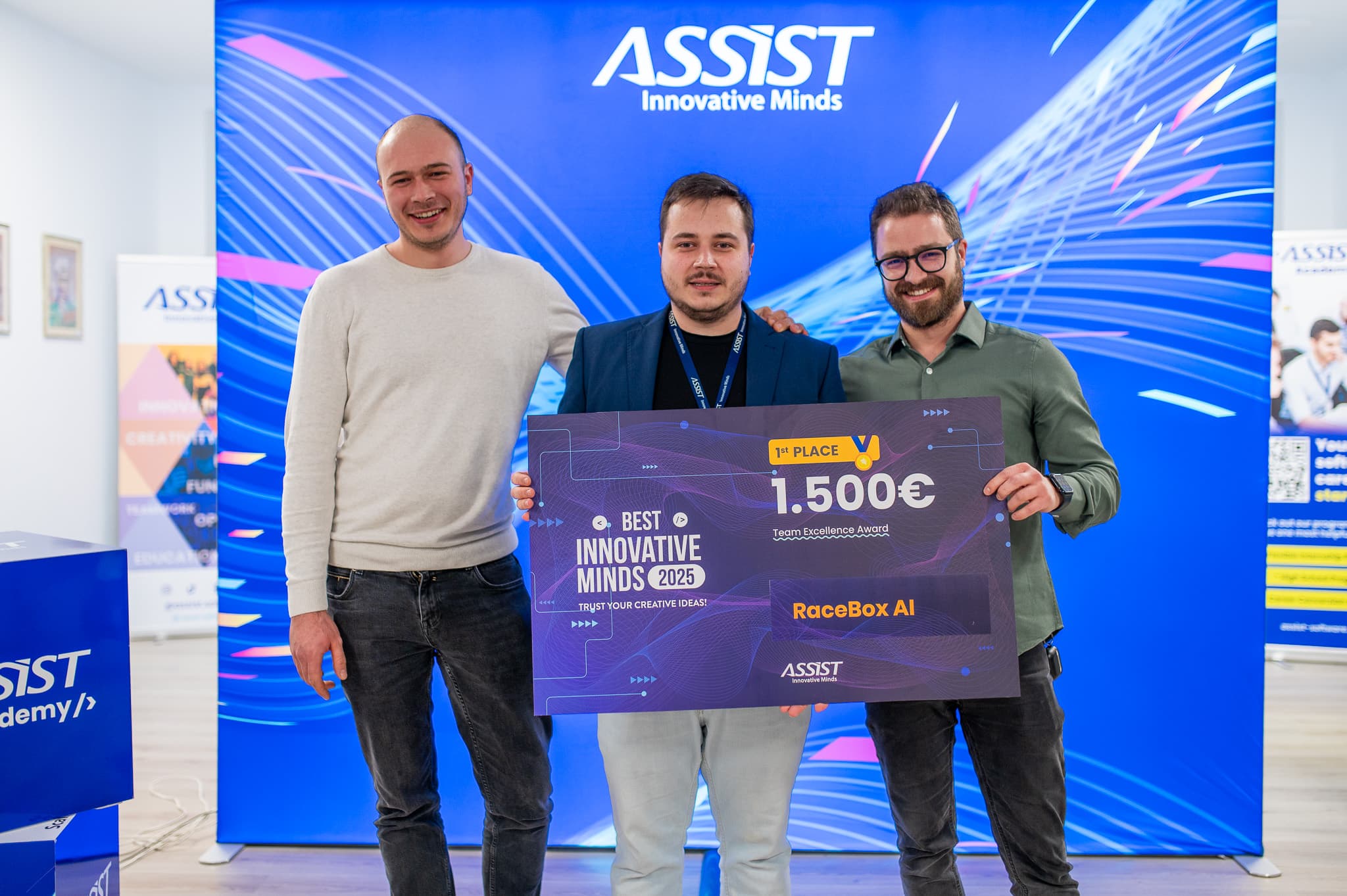
RaceBox AI's dual recognition, winning both First Place and the People's Choice Award, demonstrates that the solution resonates with both expert evaluators and the broader ASSIST Software community.
You can find more details about this project here.
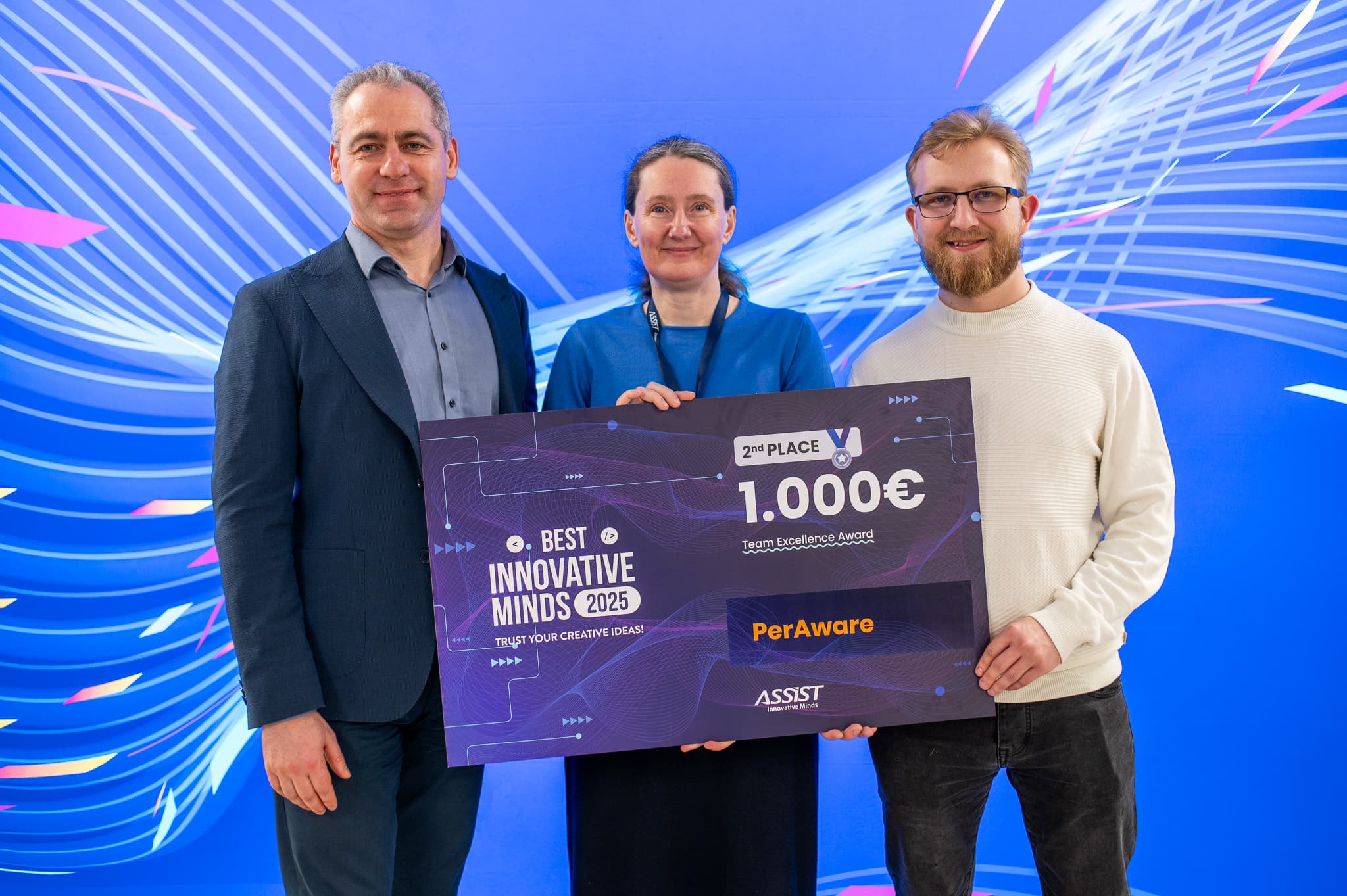
2.2 Second Place: PerAware – AI-Powered Cybersecurity Training Platform
Team members: Magdalena Isan, Cristi Vrabie, Victor Balan, Iulia Mitu, Vasile Bordei (consultant: Raluca Cohal)
The Problem: Security breaches increasingly succeed by manipulating people rather than breaking encryption, yet cybersecurity training remains generic. Everyone receives the same content regardless of their individual psychological vulnerabilities, which determine actual risk. By 2025, cybercrime had grown into the third-largest economy in the world, with breaches becoming more frequent and financial losses mounting.
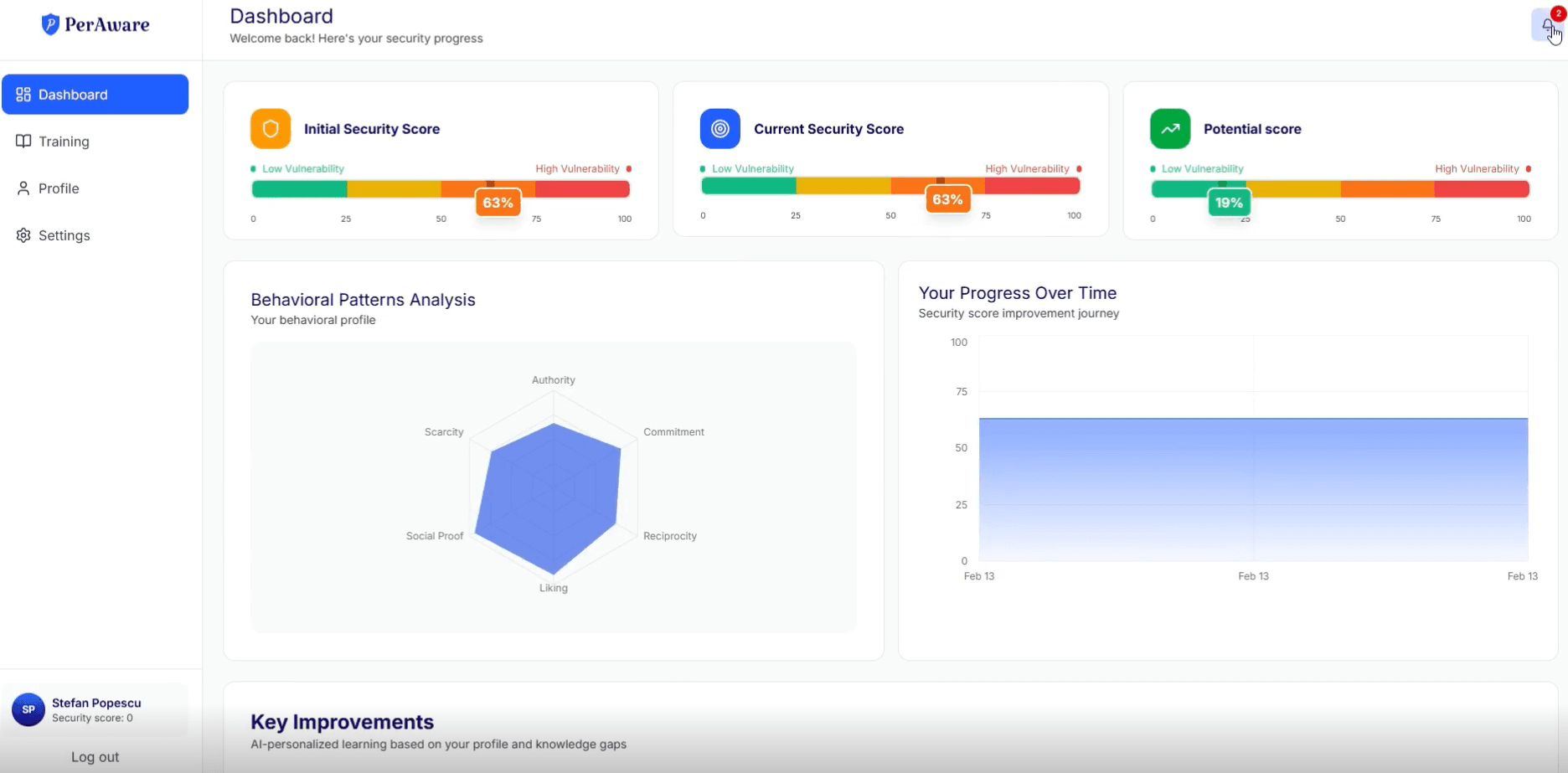
The Solution: PerAware empowers organizations to understand the personality traits and behaviors that make individuals vulnerable to social engineering. Through a comprehensive assessment, it provides targeted training recommendations to mitigate these risks effectively. Leveraging psychological diagnosis, AI, and behavioral science, PerAware adapts to each person's personality, knowledge, and behavior, guiding them confidently on their journey to act safely in a cyber world where social engineering is the norm.
Technologies:
- Full-Stack Framework: Java 21 Spring Boot 4 Backend, Next.js 16 Frontend, Python for RAG system integration
- Modular Architecture: Spring Modulith for scalable domain-driven design
- Interactive Visualization: Recharts & Radar models for behavioral analytics
- RAG Engine: Python (FastAPI/LangChain) for context retrieval
- LLM Integration: Leverages LLMs for personalized lessons
Key Features:
- AI-Personalized Learning: Generates tailored training paths based on personality profiles, behavioral assessments, learning style, and knowledge gaps
- Behavioral Assessment: Calculates vulnerability and growth area scores for comprehensive analysis
- Global Analytics: Visualizes organization-wide statistics and key improvement metrics
- RAG Integration: Enhances training content using industry-leading cybersecurity knowledge bases and real-world situations
Impact on Industry: As technical defenses improve, attackers increasingly target human psychology. PerAware transforms compliance training into behavioral programs that, at their core, reduce security risk: human decision-making under manipulation. Training must evolve to protect users by adapting to their personalities, knowledge, and behavior.
Target Users: Companies protecting employees from targeted attacks, families and individuals securing personal digital lives, teenagers and seniors with different vulnerability profiles, and public figures and executives facing sophisticated threats.
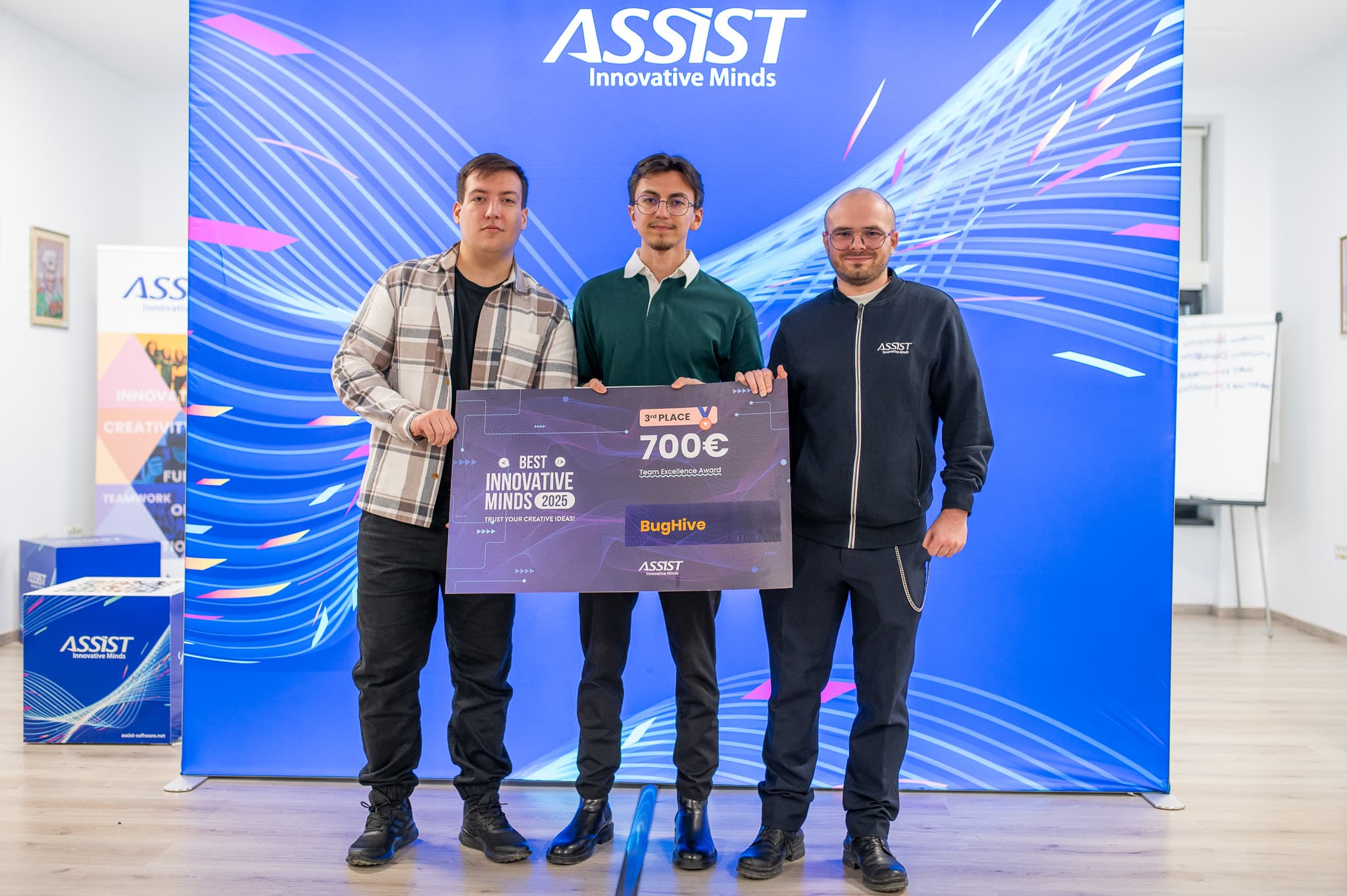
2.3 Third Place: BugHive – AI-Based Software Quality Analysis Platform
Team members: Alexandru Ciornei, Tudor Horomnea, Sabin Bejinari
The Problem: Thousands of defects accumulate daily across platforms like Jira, Azure DevOps, and GitHub, yet they are not fully leveraged. Teams resolve defects individually, rarely identifying recurring patterns, fragile components, or long-term quality degradation trends that signal systemic issues.
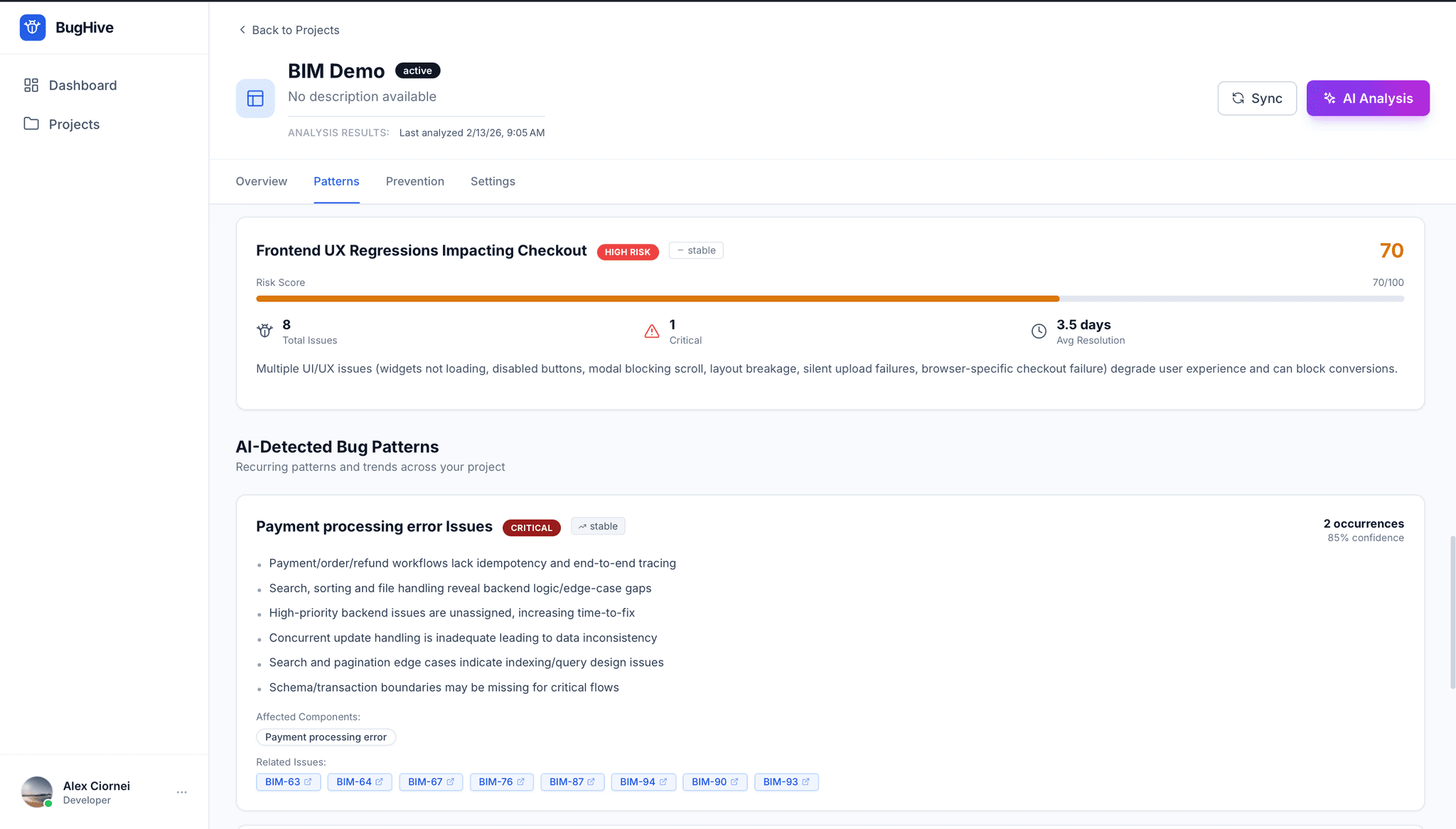
The Solution: BugHive is an AI-based platform that semantically analyzes issue-tracking data to identify recurring defects, high-risk areas, and quality trends over time, providing decision support for testing prioritization, code review, and product release planning.
Technologies:
- Frontend: Angular
- Backend: Python with FastAPI
- Artificial Intelligence: LLMs and semantic analysis techniques for clustering defects, detecting patterns, and generating actionable insights
- Data Processing & Scoring: Custom algorithms for risk scoring, recurrence detection, and trend analysis
- Cloud & Integration: API-based integrations with issue tracking and DevOps platforms
Key Features:
- Semantic Defect Clustering: Automatically groups similar tickets to uncover structural and recurring problems
- Recurrence Pattern Detection: Identifies areas where defects consistently reappear and signals architectural weaknesses
- Module Risk Scoring: Assigns dynamic risk scores to system components for smarter prioritization
- Quality Trends Over Time: Analyzes product health evolution across sprints and releases
- Actionable Recommendations: Suggests where validation, testing, and code review efforts should be intensified
Impact on Industry: BugHive enables organizations to move from a reactive approach ("we fix bugs") to an analytical and predictive one ("we learn from bugs"). This leads to fewer recurring defects, reduced production incidents, lower operational costs, and safer, more reliable product releases.
Team Perspective:
"BugHive originated from a challenge I frequently encountered while working on test optimization processes. In fast-paced projects with continuous product releases, I constantly needed to find effective ways to focus testing efforts on the most critical and strategic areas of the application. Instead of manually analyzing large volumes of reported defects and identifying connections between them, BugHive automates this process. It helps teams quickly uncover recurring patterns, prioritize high-risk areas, and make more informed testing and release decisions." - Alexandru Ciornei, QA Engineer
3 Outstanding Finalist Projects
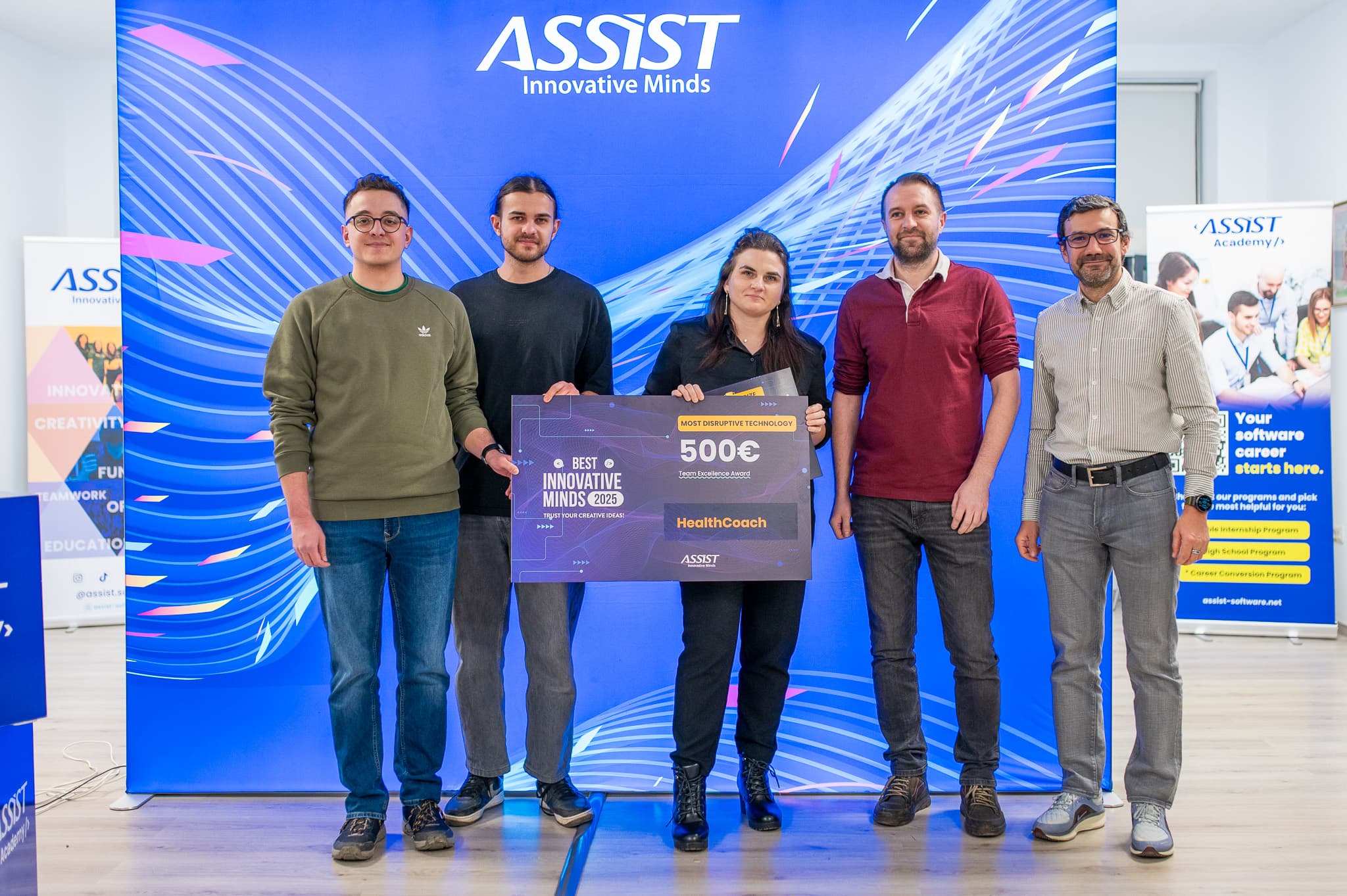
3.1 Most Disruptive Technology: myHealthCoach – AI-Powered Metabolic Health Platform
Team members: Alexandra Ursu, Valentin Istrate, Claudiu Reut
The Problem: Modern healthcare systems focus on treating symptoms rather than root causes, leaving 88% of adults metabolically unhealthy. Generic nutrition advice fails because metabolism is deeply personal; standard dietary guidelines can't account for individual biochemistry, leaving people frustrated when "healthy" foods don't work for their bodies.
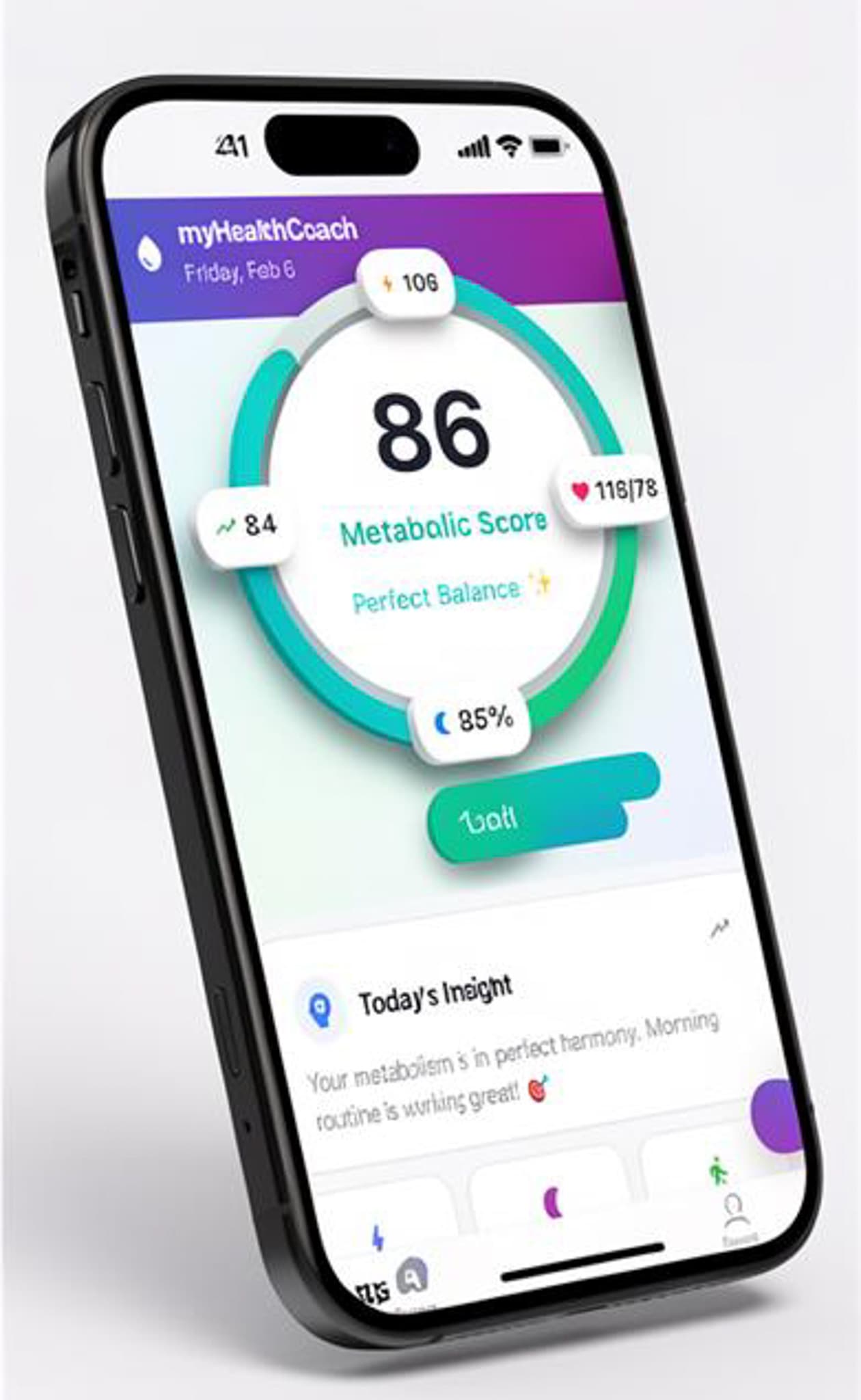
The Solution: myHealthCoach is an AI-driven "Digital Twin" that uses continuous glucose monitoring to establish individual metabolic patterns, learning unique responses to nutrition, stress, and sleep to provide ongoing personalized guidance without requiring permanent sensor use.
Technologies:
- Digital Twin Modeling: Learns unique metabolic responses to nutrition, stress, and sleep
- Voice Logging (NLP): Converts natural speech into structured nutritional and lifestyle data
- LLM Integration: Processes raw biodata into personalized, actionable health recommendations
- Multi-Source Connectivity: Integrates data from CGM devices and wearables via Bluetooth/Cloud
Key Features:
- Predictive Insights: Forecasts glycemic and mood shifts up to 3 hours in advance
- Bio-Individual Mapping: Detects how specific foods uniquely impact the user's glucose and insulin
- Smart Notifications: Provides real-time "active resolutions" to mitigate metabolic spikes
- Holistic Correlation: Tracks hidden links between sleep quality, stress, and cardiovascular health
Impact on Industry: With the global rise in metabolic diseases and the booming biohacking market, myHealthCoach represents a shift from reactive medicine to proactive longevity. The Most Disruptive Technology Award recognizes how the Digital Twin approach fundamentally reimagines personalized health management.
Target Users: Working professionals optimizing energy and focus, athletes fine-tuning performance nutrition, individuals with PCOS or metabolic concerns, pre-diabetics preventing disease progression, and anyone frustrated by generic diet advice.
3.2 EdBeacon – AI-Native Learning Management System
Team members: Robert Anton, Marius Duduman
The Problem: Creating quality educational content requires disproportionate effort, and skills depreciate rapidly while content rarely keeps pace. Traditional platforms treat all students the same, don't track what each student knows, and don't adapt to individual learning levels.
The Solution: EdBeacon centers on a knowledge graph, an interactive map of concepts and relationships, and automates through AI the creation, delivery, and updating of content, adapting learning to everyone rather than forcing individuals to adapt to standardized content.
Technologies:
- Knowledge Graph Engine: Automatic concept extraction, dependency identification, and navigable structure
- AI Content Generation: Automatic presentation creation with images, speaker notes, and visualizations
- AI Avatars: Video lesson delivery with voice narration
- NLP Chatbot: Personalized answers with citations from course materials
- Analytics Dashboard: Instructor insights into student struggles and content gaps
Key Features:
- Automatic Content Generation: Upload documents or videos and generate complete presentations automatically
- Knowledge Graph Tracking: Each student has their own subgraph reflecting mastered concepts
- Per-Concept Progress: Tracking based on lessons, quiz results, chatbot interactions, and periodic reviews
- AI Workshop Assistant: Live chat that answers students from transcripts and materials
- Content Currency Monitoring: Shows exactly which lessons require updating and in what order
Impact on Industry: EdBeacon addresses the completion and engagement challenges that plague online learning by transforming passive content consumption into active, supported learning that scales personalized support without proportionally increasing instructor workload.
Target Users: Universities scaling online programs, corporate training departments, e-learning platforms, and professional development programs requiring synchronous-quality support for asynchronous learning.
3.3 SignifyAI – Real-Time Romanian Sign Language Translation
Team members: Gabriel Hromei, Andrei Codrean, Alexandru Baciu
The Problem: In Romania, over 20,000 people with hearing impairments face critical communication barriers. With only about 100 certified sign language interpreters nationwide (roughly 1 interpreter for every 200 deaf individuals) and 38.4% of people with disabilities at risk of poverty (4th highest in the EU), accessible communication tools are necessities rather than luxuries.
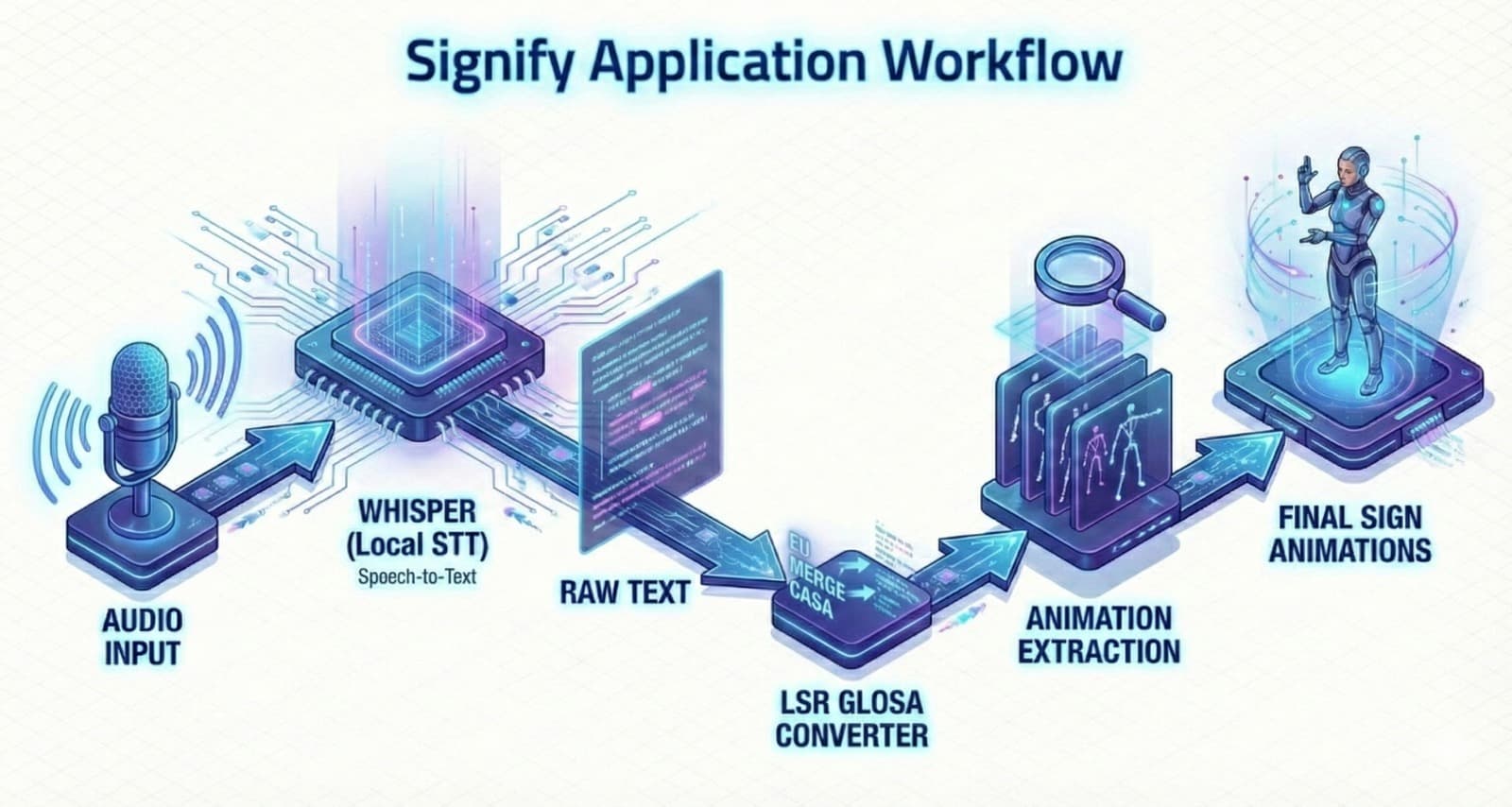
The Solution: SignifyAI is a real-time speech-to-sign-language application that translates spoken Romanian into animations of Romanian Sign Language (LSR) performed by a photorealistic MetaHuman avatar, capturing speech, transcribing to text, converting to sign language gloss notation, and playing back corresponding sign animations, all in real time.
Technologies:
- Unreal Engine 5.7: Photorealistic MetaHuman avatar ("Lara") for sign language playback
- Whisper.cpp: On-device speech-to-text transcription (Romanian language)
- C++17 / Qt6: Core translation pipeline (speech → text → gloss)
- MMPose + MiDaS: Motion capture from sign language video references (body + hands + depth)
- Blender (headless): Automated animation retargeting pipeline
- ONNX Runtime: Optimized AI inference
Key Features:
- Real-Time Translation: Speech transcribed and animated within seconds
- Expandable Vocabulary: 25-word sign vocabulary with smooth blending; new signs added by processing reference videos
- 5-Stage Motion Pipeline: Video → landmarks → BVH → FBX → UE-ready animations
- MetaHuman Fidelity: Natural idle pose, upper-body animation with finger-level detail
- Fully On-Device: No cloud dependency, works offline
Impact on Industry: SignifyAI demonstrates that AI and real-time 3D rendering can make sign language accessible at scale without relying on scarce human interpreters. The automated motion pipeline enables continuous dictionary growth from video references, making the system practical for real-world deployment in public services, healthcare, and education.
Target Users: Deaf and hard-of-hearing individuals accessing education, employment, healthcare, and public services; families and educators supporting deaf community members; public institutions meeting accessibility requirements.
3.4 MediCare – AI-Powered Healthcare Data Integration Platform
Team members: Constantin Amurov, Nadejda Cojocaru, Selim Muhammetgulyyev, Valentin Stratan, Arcadie Caldare
The Problem: Today's healthcare system faces significant information fragmentation. A single patient interacts with an average of over 10 isolated data sources, from hospitals to private labs, resulting in incomplete medical histories and the loss of up to 45% of critical documents. Doctors waste hours on administrative tasks while patients repeat tests because previous results aren't accessible.
The Solution: MediCare is a "bridge layer" solution that connects patients, doctors, and existing systems (DES, SIUI) into one unified platform, centralizing patient data and supporting medical professionals with AI-powered administrative automation to dissolve bureaucratic barriers.
Technologies:
- Next.JS & React Native: Seamless cross-platform experience (web and mobile)
- Supabase: Secure database management, real-time sync, and authentication
- OpenAI GPT: Clinical synthesis and automated report generation engine
Key Features:
- Unified Dashboard: Doctors instantly view daily priorities and appointments without navigating multiple legacy windows
- AI History Synthesis: Automatically extracts key clinical conditions, findings, and critical "points of attention" in seconds
- AI-Assisted Reporting: Generates consultation reports by integrating the patient's full history with current visit details
- Smart Scheduling: Patients use AI to identify the most relevant specialist and optimal time slot
- AI Health Explainer: Translates complex medical jargon into clear, easy-to-understand language
Impact on Industry: MediCare redefines healthcare efficiency by recovering up to 4 hours per day from doctors' administrative workloads and providing patients with total clarity. This reduces systemic costs, eliminates unnecessary repeat investigations, and represents a decisive step toward modern, data-driven medicine that puts people above paperwork.
Target Users: Family doctors and nurses providing primary care, public and private hospitals improving efficiency, patients and families accessing medical information, and healthcare administrators managing resources.
Team Perspective:
"We didn't just build a document repository; we built a medical intelligence engine. MediCare gives doctors back the time that bureaucracy has stolen from them, allowing them to focus on what truly matters: the patient." - Constantin Amurov, Software Engineer
4 What BIM 2025 Demonstrated About AI Innovation
These seven projects share common threads: they address genuine problems, leverage appropriate technology thoughtfully, and are designed for real-world deployment rather than demonstration.
The teams built solutions with clear paths to market, identified target users, and demonstrated measurable impact potential. Some will become commercial products. Others will inform research directions or inspire derivative innovations.
Interested in joining ASSIST Software's innovation team? Explore career opportunities and be part of next year's Best Innovative Minds competition.
As one of the first companies in Europe to hold ISO/IEC 42001:2023 certification for Artificial Intelligence Management Systems, ASSIST Software operates under a formally recognized governance framework for AI development. The standard covers the full lifecycle of AI systems, from planning and development through deployment, monitoring, and continuous improvement, providing clients with concrete assurance that AI initiatives are managed responsibly.
5 Frequently Asked Questions About the Best Innovative Minds Competition
5.1 What is the “Best Innovative Minds” competition?
Best Innovative Minds (BIM) is ASSIST Software's annual internal innovation competition, where development teams spend several months transforming ambitious ideas into production-ready AI-powered prototypes. Unlike typical hackathons, BIM provides sustained support with ongoing feedback from industry experts, mentorship, and resources to build fully functional solutions with clear paths to market deployment.
5.2 What types of AI projects compete in Best Innovative Minds 2025?
Best Innovative Minds features AI-powered projects that address real-world challenges across diverse sectors, including healthcare, education, accessibility, cybersecurity, and community development. The competition values innovative solutions with clear market potential and measurable impact. Projects range from medical automation and personalized learning platforms to assistive technologies and data integration tools. Each year brings new innovations that combine cutting-edge AI with practical applications. BIM 2025 showcased seven finalists spanning automotive telematics, cybersecurity training, software quality analysis, metabolic health, learning management, sign language translation, and healthcare data integration.
5.3 Who can participate in Best Innovative Minds?
Best Innovative Minds is an internal competition exclusively for ASSIST Software employees. Team members submit their innovative concepts in September each year, then receive ongoing feedback from industry experts as they build production-ready prototypes over several months. Final presentations typically occur in February. The competition provides our teams with a unique opportunity to transform ambitious ideas into real-world solutions, supported by mentorship and resources throughout the development process.
5.4 What prizes are awarded in the Best Innovative Minds competition?
BIM 2025 awarded over €4,000 in total prizes: First Place (€1,500), People's Choice Award (€500), Second Place (€1,000), Third Place (€700), Most Disruptive Technology Award (€500), and Special Lottery prizes (€240 total). Beyond monetary prizes, winners receive opportunities for continued development, mentorship, and potential pathways to market their solutions.