From Game Engines to Real-World Simulations: The Full-Cycle Game Development Shift
The global gaming industry is projected to exceed $300 billion in value within the next few years. Israel alone generates $9 billion in annual gaming revenue, with mobile as the dominant platform and studios like Playtika among the highest-grossing publishers globally. These numbers reflect an industry that is growing but also increasingly difficult to break into.
Over 700,000 mobile games are currently available across Google Play and the App Store. Steam sees approximately 17,000 new titles released per year, with a growing share of AI-assisted or AI-generated. In that environment, the question every studio faces is not whether to build a game, but how to build one that holds up under scrutiny once it reaches the market.
Full-Cycle Game Development Is About More Than Shipping a Build
Full-cycle game development covers the complete production pipeline: game design and prototyping, core gameplay programming, multiplayer systems, 2D and 3D art production, character animation, QA testing, platform porting, and submission to Google Play, the App Store, Steam, or console storefronts. It also includes post-launch operations, update cycles, and ongoing work to keep a live title stable and competitive.
This is a different engagement model from team augmentation, where engineers join an existing studio to contribute specific expertise without owning the full pipeline. Both models are valid, but understanding which one a project needs is one of the first decisions that determines whether a title ships on schedule and at the quality level it was designed for.
What ASSIST Software's Interactive Technologies Department Delivers
ASSIST Software's Interactive Technologies department delivers full-cycle game development for PC, mobile, console, and AR/VR/XR platforms, built on engine-level expertise in Unity and Unreal Engine. The team covers the complete production pipeline, including game design, prototyping, game art and animation, multiplayer systems, military simulation, QA and testing, game porting, and cross-platform deployment.
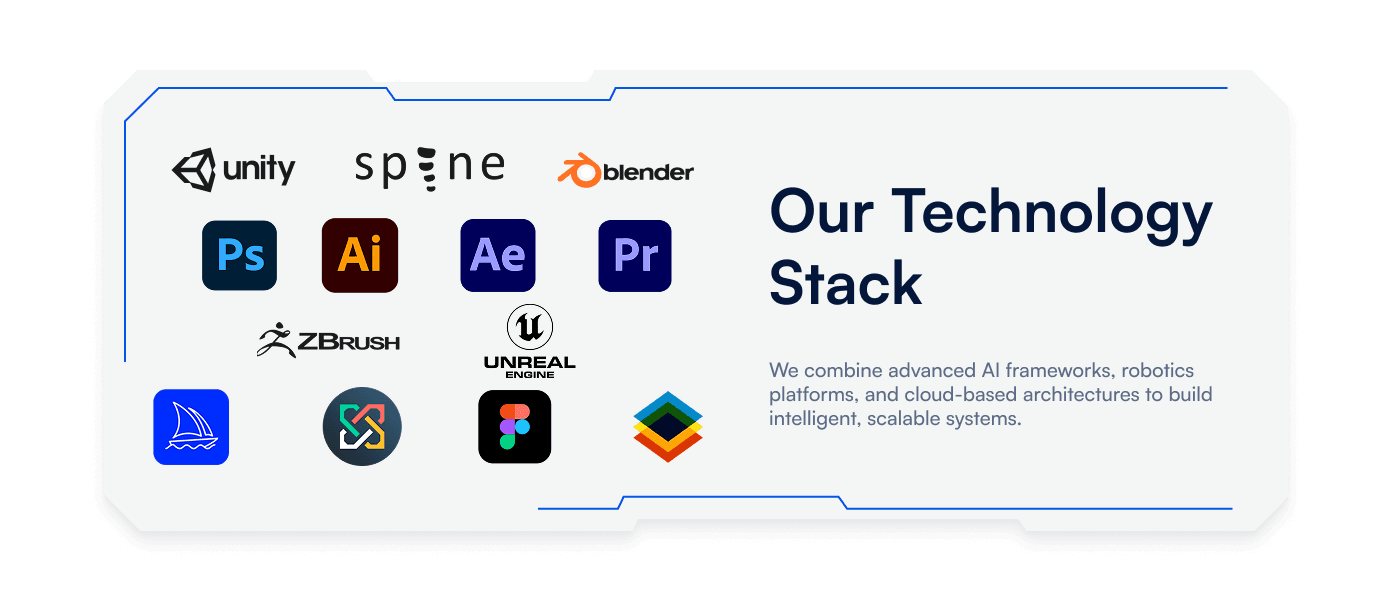
The team's technology stack includes Unity, Unreal Engine, Spine, Blender, Houdini, Substance Designer, and the Adobe Creative Suite, which means art production and engineering work are handled within the same team rather than managed by separate vendors. ASSIST Software has gone through the full submission and publishing process on Google Play, the App Store, and the Unreal Engine Marketplace, and understands the operational reality of maintaining a live title after launch, not just building it.
The Games and Tools the Team Has Shipped
Elly and the Ruby Atlas is a single-player mobile RPG developed entirely in-house in Unity, available on Android and iOS. The project covered the full production cycle, including game design, 2D and 3D art, character animation, and ongoing post-launch updates, making it a direct demonstration of what end-to-end ownership looks like in practice.
On the PC side, Typhon: Bot vs Bot is a multiplayer title developed in collaboration with Brightshade Games, with ASSIST contributing to core systems, multiplayer infrastructure, Unity pipeline setup, and art production. Beyond game titles, the team has published Real-Time Weather PRO and Easy Sky on the Unity Asset Store, alongside a production-grade US Paratrooper Soldier 3D model on both the Unity Asset Store and Unreal Engine Marketplace. These are tools adopted by third-party studios in their own production pipelines, reflecting a level of technical art output that has been externally validated.
Why Technical Art Quality Has Become a Competitive Differentiator
Game engine expertise built through commercial game development transfers directly into adjacent fields. Unity and Unreal Engine now power military training simulations, industrial digital twins, surgical training tools, and virtual production environments, and the engineering depth required to build those systems is the same depth required to ship a production-grade game.
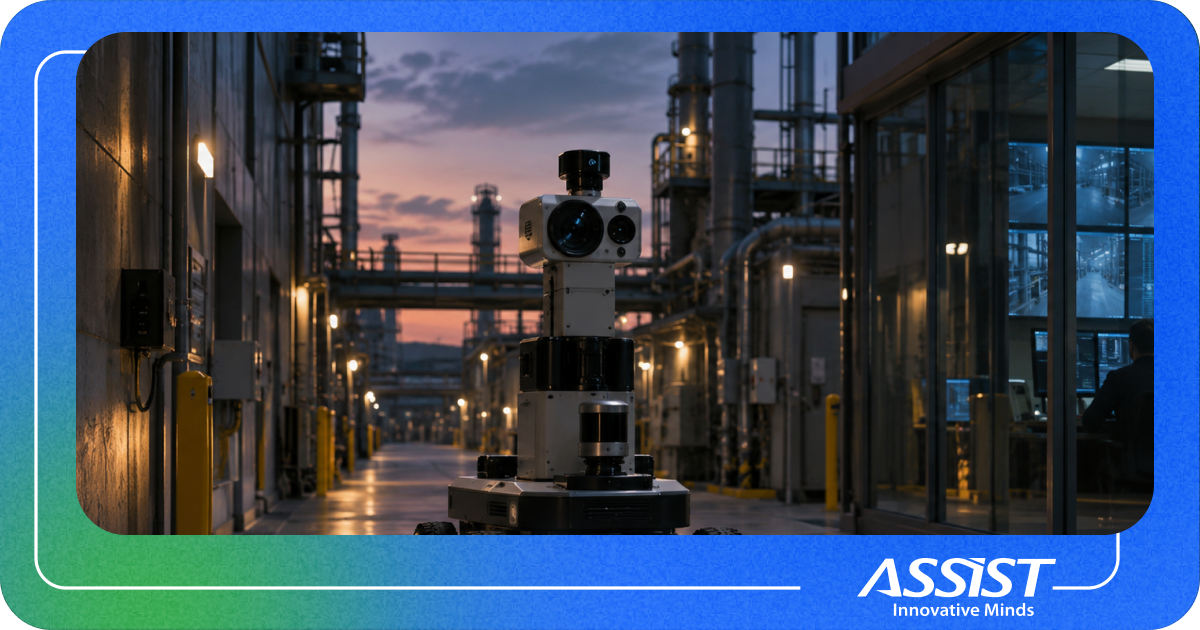
ASSIST Software's Interactive Technologies department works across this full spectrum. Military simulation is a distinct service alongside commercial game development, VR and XR applications, AR tools, and digital twin development. The clearest illustration of this range is PARS, an autonomous reconnaissance and support platform developed under the EU-funded CENTRIC programme with Ștefan cel Mare University of Suceava. PARS uses high-fidelity digital twins built in Unreal Engine 5, a proprietary synthetic data generation tool called VisioSynthASSISTant, computer vision for real-time object detection, and VR environments for first responder training. The research was published at the 2023 International Conference on Engineering of Modern Electric Systems and later presented at a NATO Cybersecurity and Military AI conference.
Explore ASSIST Software's Game Development services.
What This Means in Practice
ASSIST Software offers full-cycle game development on Unity and Unreal Engine for PC, mobile, console, and AR/VR/XR platforms.
The team has published games on Google Play and the App Store, and technical tools on the Unity Asset Store and Unreal Engine Marketplace, used by third-party studios in production.
Over 700,000 mobile games compete for visibility across major storefronts. Technical art quality, multiplayer stability, and production-grade execution are differentiating factors in competitive markets.
Israel's gaming market generates $9 billion in annual revenue. Studios competing in that ecosystem require partners with demonstrated shipping experience and engine-level depth.
Game engine expertise developed through commercial game production transfers directly to military simulation, VR training, digital twins, and AR applications.

Frequently Asked Questions
What is full-cycle game development, and how does it differ from team augmentation?
Full-cycle game development is the complete production of a game from concept through post-launch support, covering game design, prototyping, programming, art and animation, QA, platform submission, and ongoing updates after release. Team augmentation means ASSIST engineers join an existing client team to contribute specific expertise without taking ownership of the full pipeline. Both models are valid depending on what a project needs.
What game engines and platforms does ASSIST Software work with?
ASSIST Software works with Unity and Unreal Engine across all project types, and can integrate with client-owned or proprietary engines where required. The team develops for PC, iOS, Android, major consoles, and AR/VR/XR platforms, including cross-platform projects and game porting across storefronts.
Has ASSIST Software published games and tools on major storefronts?
Yes. ASSIST Software has published games on Google Play and the App Store through internal titles, including Elly and the Ruby Atlas, and has shipped technical tools to the Unity Asset Store and Unreal Engine Marketplace, used by third-party developers globally.
Does ASSIST Software work outside entertainment, and how does AI tooling affect game development?
Yes. Military simulation is a distinct service offered by ASSIST Software's Interactive Technologies department. The PARS project, developed under an EU-funded programme and presented at a NATO conference, is one example applied in a defence and public safety context. On AI tooling: while it has accelerated asset generation and prototype iteration, the engineering complexity of production-grade game development has not decreased. Delivering a stable, shippable title still requires experienced teams with engine-level expertise and a track record of shipping comparable systems.