Powering European Cyber Resilience: SECASSURED General Assembly in Oslo
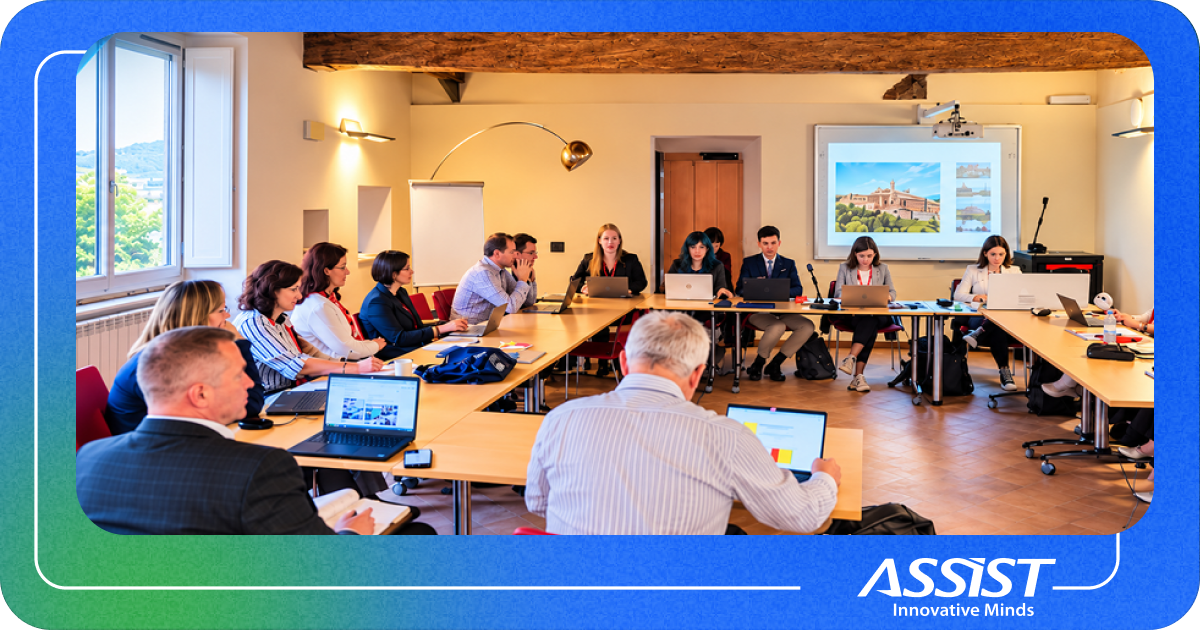
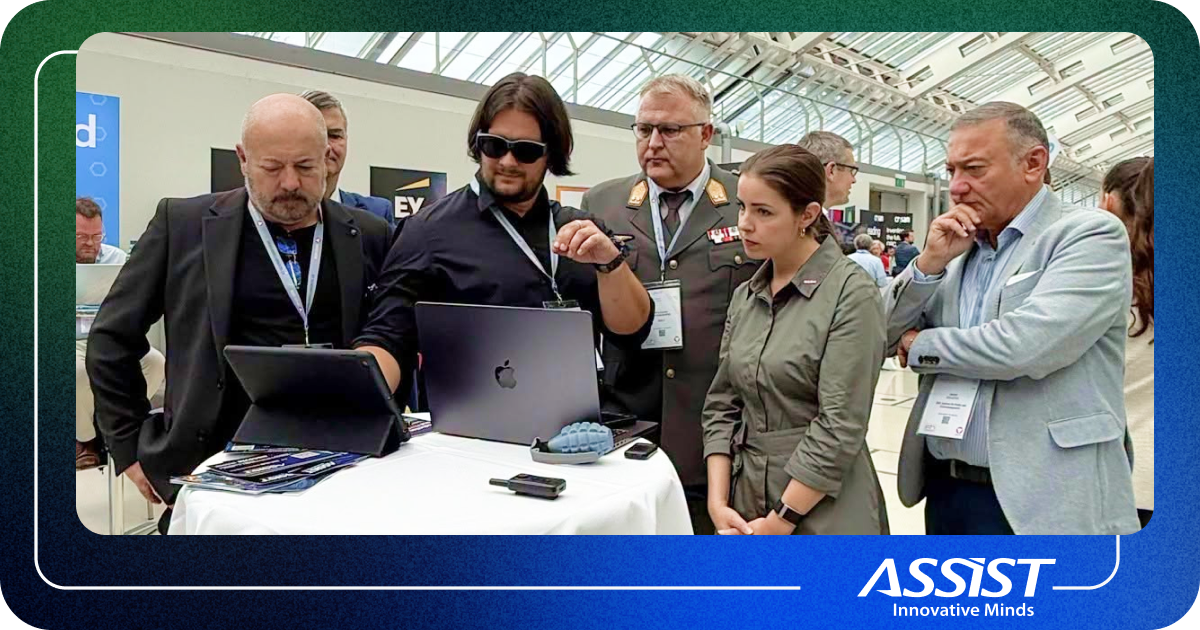
The SECASSURED consortium met in Oslo on 10–11 June for its second General Assembly, hosted by SINTEF. The event brought together 19 partner organizations from 10 European countries to review six months of progress and align the next development phase of the project’s AI-driven cybersecurity framework for critical infrastructure. ASSIST Software presented its work on SecureFlow, an integration and CI/CD orchestration framework that connects the project’s security tools into a unified operational environment.
Six months ago, the SECASSURED project launched with the goal of redefining European cybersecurity. Today, it already boasts peer-reviewed scientific publications and a rapidly evolving technical roadmap.
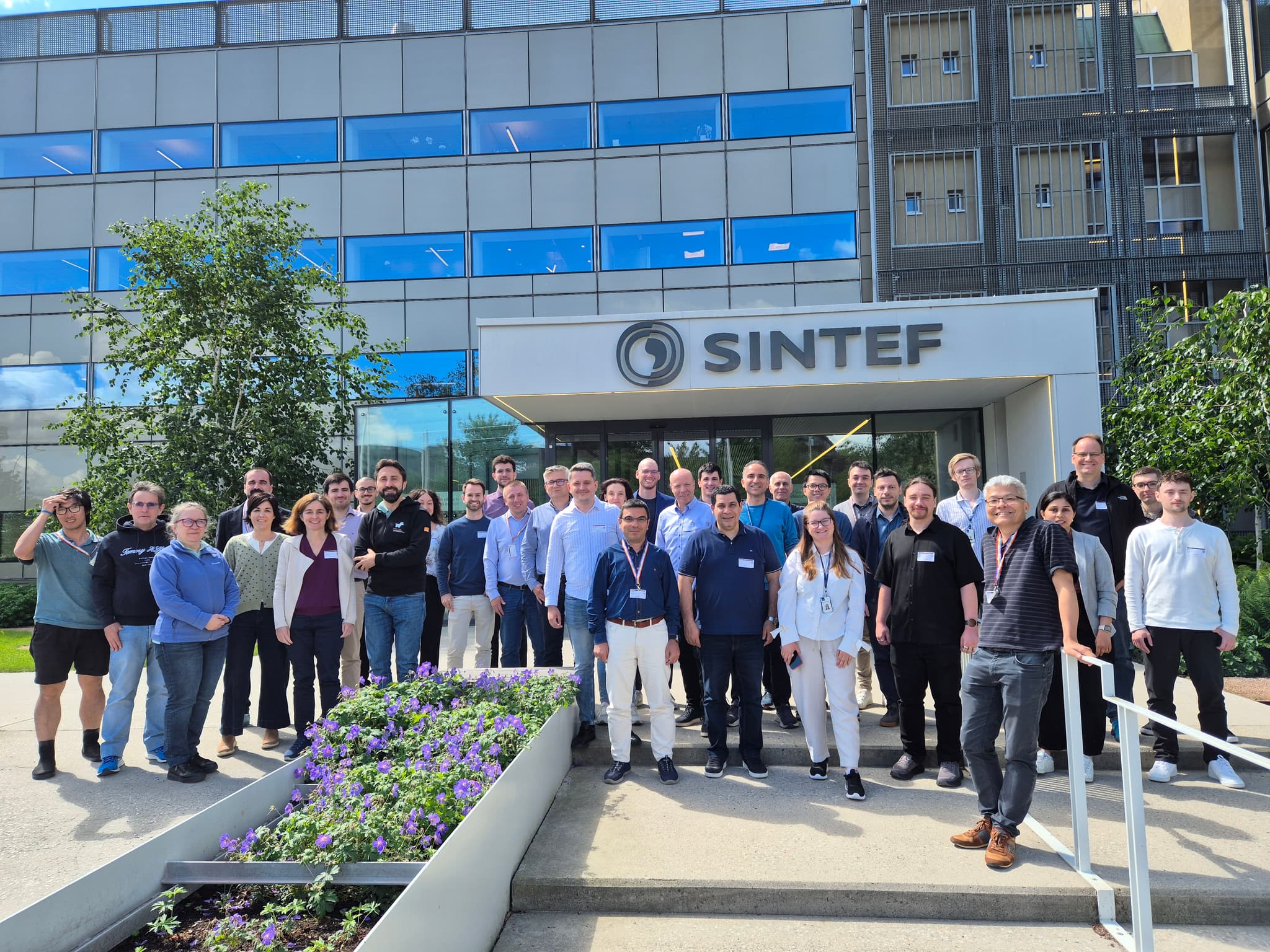
To channel this early momentum, the project consortium met in Oslo on 10–11 June for its second General Assembly. Hosted by SINTEF, the two-day meeting focused on monitoring technical progress and aligning the project's next wave of AI-powered security innovations.
Bringing together 19 partner organizations from 10 European countries, the event served as a checkpoint to synchronize technical tracks, evaluate early milestones, and coordinate the next phases of development for the project's cutting-edge security engineering framework.
Foundations of Trust: Architecting the Future of Proactive Cybersecurity
The first day of the assembly was dedicated entirely to the project's deep technical foundations, focusing on the shift from theoretical models to a functional software architecture. Partners aligned on the design and capabilities of the technology suite being developed as a whole. This comprehensive ecosystem brings together a powerful set of 12 distinct AI-powered security services designed to cover every phase of the software lifecycle. Together, these tools form a unified solution capable of handling everything from automated regulatory compliance and predictive risk modeling to continuous vulnerability discovery, automated code repair, and real-time anomaly detection.
Orchestrating the Ecosystem – ASSIST’s SecureFlow Framework
Bridging the project's deep technical foundations with its upcoming industrial use cases, the second day of the assembly kicked off with a focus on how this operational environment is actively bringing the architectural blueprint to life.
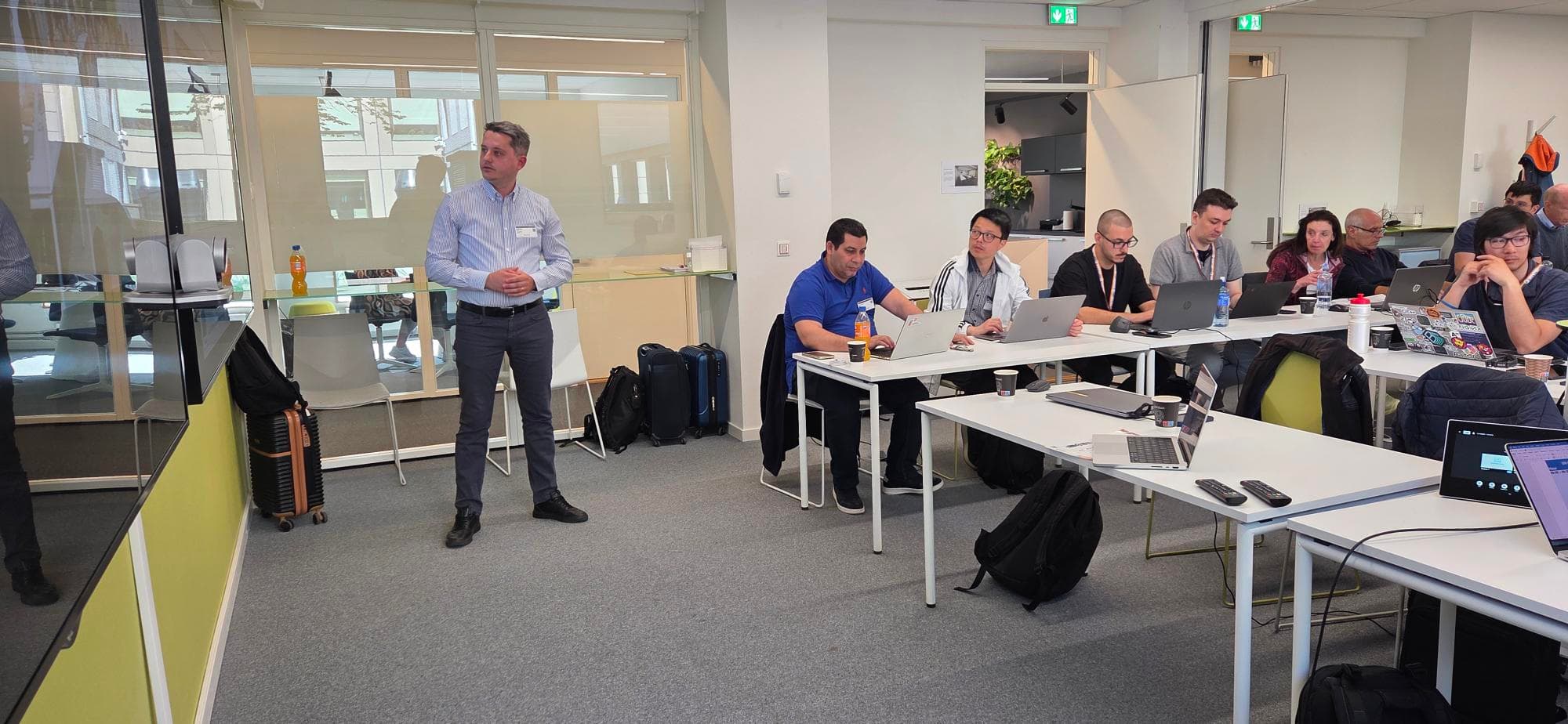
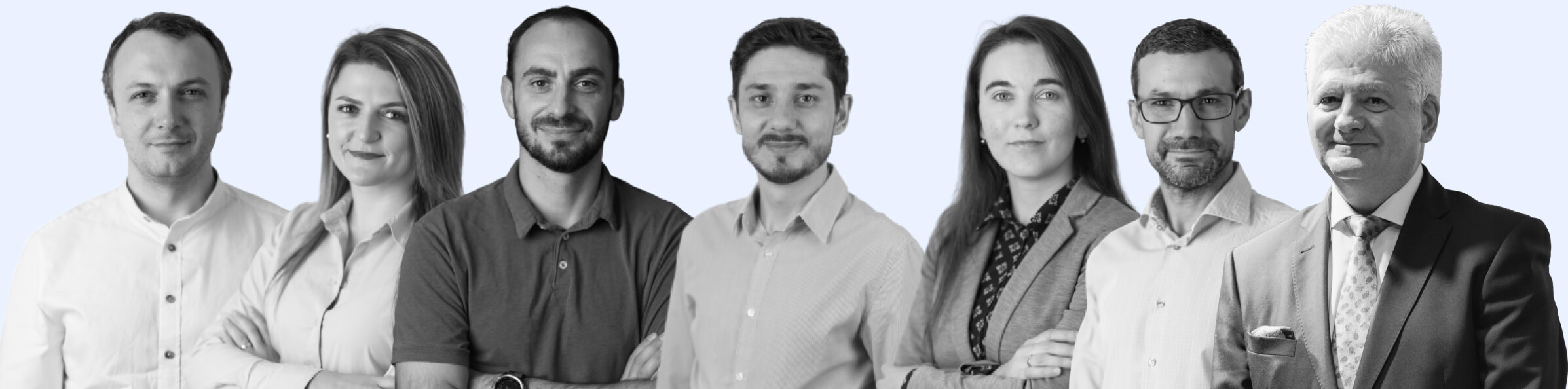
To bring this multifaceted, twelve-tool ecosystem together into a cohesive operational environment, ASSIST Software has taken on the vital role of core orchestrator. Providing the backbone for this integration, ASSIST has deployed a central repository infrastructure on its secure local servers, establishing a high-availability GitLab environment with strict access control for consortium partners. Our representatives, Andrei Hilote, technical lead and Andrei Doroftei, DevOps specialist, presented the pipeline's status and repository coordination strategy. They outlined the formal engineering requirements and repository governance protocols that all consortium partners must follow for module deployment and version control, to ensure a standardized interoperable environment.
From Architecture to Impact: The Five Industrial Use Cases
Another highlight of the day was the detailed deployment strategies for testing the AI-driven tools across critical European infrastructures: software-defined telecommunication networks, Manufacturing 4.0 digitalization platforms, renewable energy prosumer cells, digital eHealth environments, and smart electric vehicle (EV) charging fleet infrastructures. Defining the exact KPIs and data boundaries for these use cases ensured that the upcoming testing phase would yield measurable, real-world security improvements.
Managing Progress, Maximizing Global Impact
The remainder of the day was dedicated to essential project management and dissemination strategies. The management sessions focused on risk mitigation, resource allocation, and tracking the timeline for upcoming deliverables due in the next semester. Alongside administrative tracking, partners aligned on a robust communication and dissemination roadmap. This strategy outlines how the consortium will share its technical breakthroughs, open-source code repositories, and standardized compliance frameworks with the broader scientific community, policy makers, and European industrial sectors – maximizing the long-term impact of the project's findings.
By fostering deep cross-border collaboration among research institutes, universities, technology providers, and industrial operators, the meeting in Oslo reinforced SECASSURED’s ultimate mission: strengthening European cybersecurity autonomy, accelerating time-to-market for secure technologies, and building a certifiable model for trustworthy digital systems.
Funding and Support
The SECASSURED project is supported by the Horizon Europe program through the European Cybersecurity Industrial, Technology, and Research Competence Center. Submitted under the HORIZON-CL3-2024-CS-01 call for proposals (project ID 101225858), this funding enables the consortium to advance cutting-edge research, develop robust AI-driven security solutions, and bring innovative, trustworthy security engineering practices closer to real-world adoption.