Top Digital Twin Development Companies in Europe
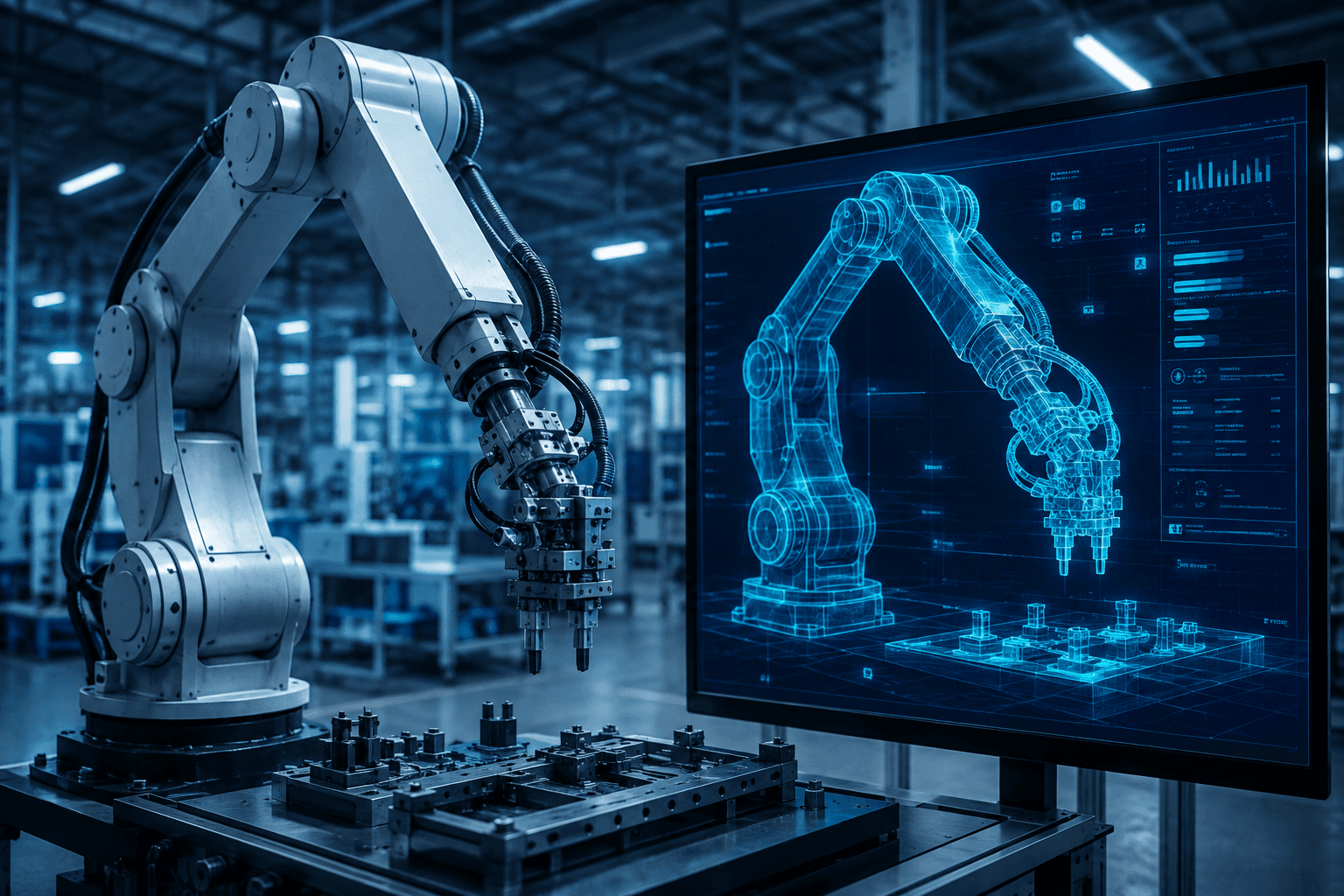
Top Digital Twin Development Companies in Europe Digital twins are becoming an important part of industrial software engineering. Instead of representing a physical asset as a static model, a modern digital twin can combine real-time data, IoT connectivity, simulation, 3D visualization, analytics, predictive models, and cloud-edge infrastructure to reflect how a system behaves in operation.
That makes digital twins relevant across manufacturing, maritime, energy, logistics, robotics, and infrastructure. They can support predictive maintenance, virtual commissioning, route optimization, process simulation, remote monitoring, and operational decision-making.
Choosing a digital twin development company, therefore, involves more than finding a team with 3D capabilities. The right partner should understand the physical system, the software architecture around it, and the data required to keep the virtual representation useful over time.
This article highlights some of the top digital twin development companies in Europe, including established industrial technology vendors and engineering partners capable of building custom digital twin solutions.
The companies are presented in no particular order.
What is a digital twin development company?
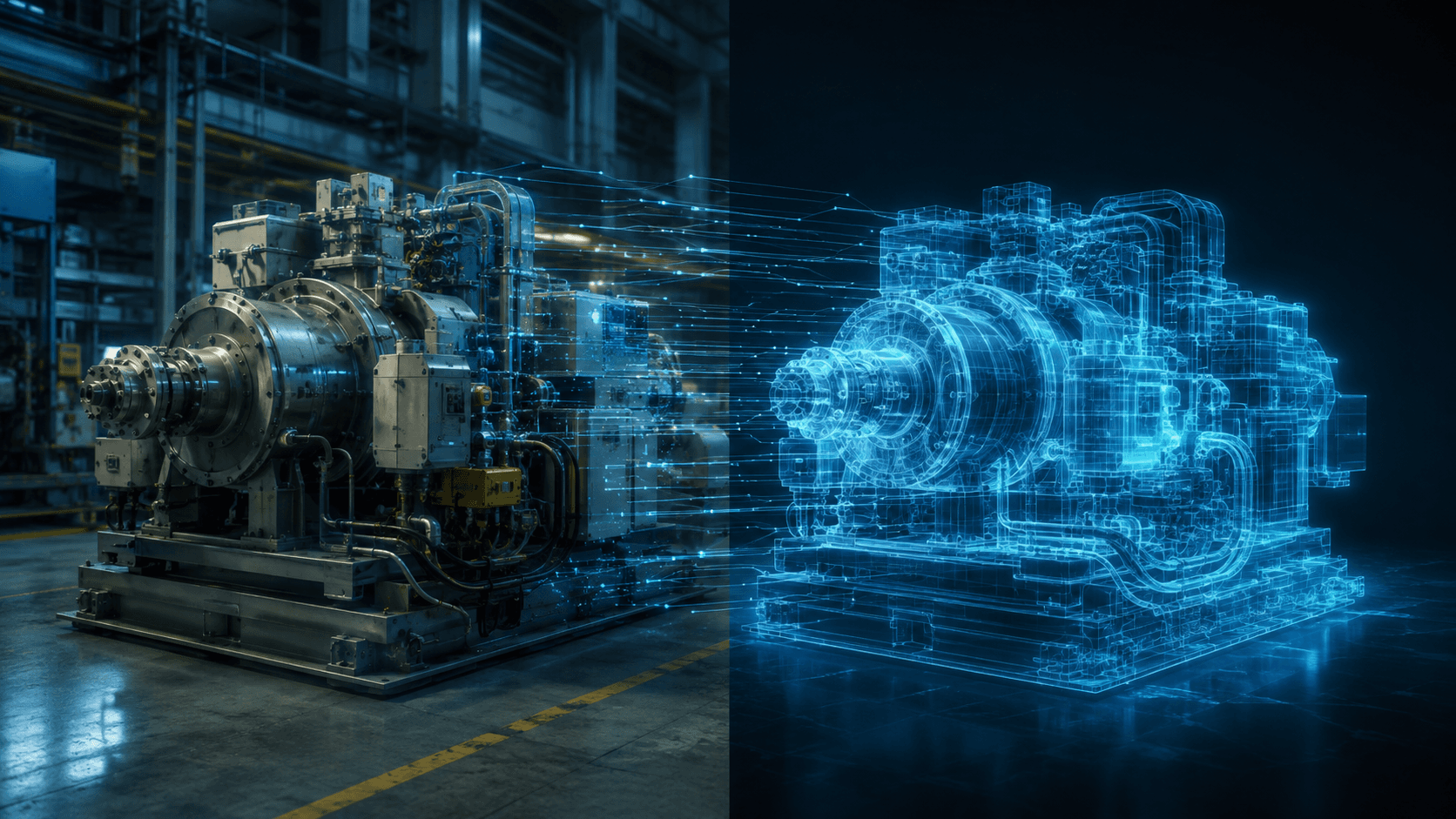
A digital twin development company builds software that connects a physical asset, process, or environment with a digital representation using operational data.
Depending on the use case, this may involve sensor and IoT integration, real-time data pipelines, behavioral modeling, simulation, interactive 3D environments, predictive analytics, AI, and cloud or edge computing.
The distinction between a digital twin and a conventional simulation is important. A simulation models how a system could behave under defined conditions. A digital twin can remain connected to the physical system and evolve as new operational data becomes available. Siemens, for example, defines digital twins around the combination of virtual models, sensor data, and simulation for real-time monitoring and performance analysis.
How we selected the companies
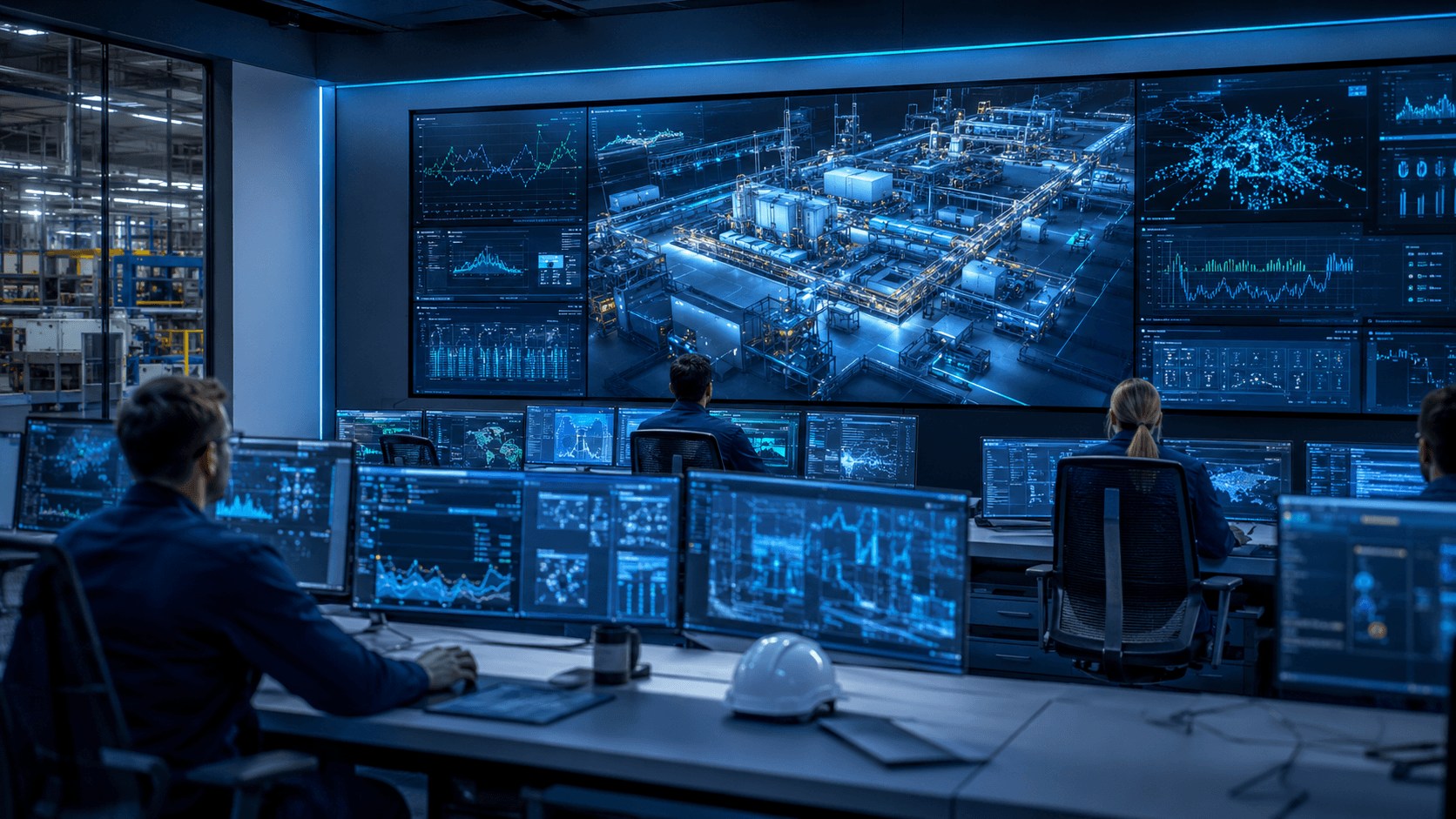
The companies below were selected for capabilities relevant to production-grade digital twins: real-time data integration, IoT, simulation and modeling, 3D visualization, predictive analytics, cloud-edge architecture, and experience in industrial or infrastructure environments.
Some provide large commercial digital twin platforms. Others specialize in custom engineering. That distinction matters because an established platform and a bespoke digital twin serve different project requirements.
1. ASSIST Software
Best for: Custom digital twins combining AI, IoT, simulation, 3D, and industrial software engineering
ASSIST Software develops custom digital twin and simulation systems for environments including maritime, robotics, and industrial applications.
One of its most relevant projects is TwinShip, a Horizon Europe initiative developing an integrated Digital Twin framework for greener maritime operations. The project combines domain knowledge, operational data, machine learning, and AI on an open digital platform to improve vessel operations and support the transition to lower-emission shipping.
ASSIST also develops simulation-ready digital twins through its AI Metaverse Generator, which enables digital environments to produce synthetic training data, integrate with NVIDIA Isaac Sim, validate robotics and computer vision models, and support deployment on edge hardware.
This makes ASSIST particularly relevant when the digital twin is not a standalone visualization tool but rather part of a broader custom software product that requires real-time data, AI models, simulation, and integration with existing systems.
2. Siemens
Best for: Large-scale industrial and manufacturing digital twins
Siemens offers one of Europe’s most mature industrial digital twin ecosystems.
Its comprehensive digital twin approach covers products, machines, production processes, and entire factories. The platform combines engineering models, physics-based simulation, automation data, operational information, and industrial AI to allow organizations to design, test, predict, and optimize systems digitally before making changes in the physical environment.
A major strength is lifecycle coverage. Siemens digital twins can remain useful during design, manufacturing, commissioning, operation, service, and maintenance rather than being limited to the initial engineering phase.
For manufacturers already using Siemens automation and industrial software, that integration can be particularly valuable.
3. Dassault Systèmes
Best for: Product engineering, manufacturing, and complex lifecycle simulation
Dassault Systèmes uses the concept of Virtual Twin Experiences to create executable digital models of products, facilities, and processes.
Its approach integrates real-time data with simulation and engineering models, allowing teams to evaluate product behavior, optimize production processes, and manage systems throughout their lifecycle.
Through DELMIA and the wider 3DEXPERIENCE platform, organizations can model factory layouts, production processes, operations, and logistics before implementing them physically.
Dassault is especially relevant for organizations where the digital twin must remain closely connected to product lifecycle management, engineering design, and sophisticated simulation.
4. Hexagon
Best for: High-fidelity manufacturing twins and reality-connected industrial systems
Hexagon combines real-world measurement data with advanced simulation to create digital twins for manufacturing.
Its approach is notable for the connection between physical measurement and digital models. Digital twins can aggregate real-time manufacturing and quality data, compare physical components with their intended designs, and create feedback loops between production systems and their digital representations.
Hexagon also incorporates AI and machine learning into these environments to detect issues, predict potential failures, and optimize manufacturing performance.
This makes the company particularly relevant for applications where dimensional accuracy, quality control, production data, and simulation must work together.
5. AVEVA
Best for: Industrial operations, asset-intensive environments, and operational digital twins
AVEVA focuses on digital twins for industrial environments where engineering information must remain connected with operational data.
Its approach brings together real-time data streams, engineering models, historical information, analytics, AI, and role-specific visualization. The CONNECT industrial intelligence platform can serve as the common data foundation for these digital twin use cases.
This is particularly relevant in sectors such as energy, utilities, process manufacturing, and large industrial facilities, where a digital twin may need to support remote monitoring, predictive maintenance, process optimization, and asset reliability.
AVEVA does not position digital twin functionality as a single fixed product; instead, different software components can be combined to suit the operational environment and use case.
6. ABB
Best for: Robotics, automation, and virtual commissioning
ABB applies digital twin technology particularly strongly within robotics and industrial automation.
Its RobotStudio Digital Twin environment allows engineering teams to model and simulate robotic automation systems before deployment. ABB states that the technology can reproduce robot behavior with very high correlation to physical systems, helping teams test layouts, validate automation logic, and reduce commissioning effort.
ABB is also expanding the concept through RobotStudio HyperReality, which combines digital twins with NVIDIA Omniverse and AI training workflows. Robots can be tested across simulated production scenarios before changes are introduced on physical equipment.
For robotics-heavy manufacturing environments, this tight connection between simulation and automation hardware is a significant advantage.
7. Capgemini
Best for: Enterprise-scale digital twin transformation and industrial programs
Capgemini works with digital twins as part of broader industrial transformation and digital engineering initiatives.
Its industrial metaverse approach combines next-generation digital twins, IoT, AI, and immersive environments to support activities such as design, simulation, testing, training, and remote operations.
Capgemini has also developed custom digital twin systems for factory design. In one implementation, multidisciplinary teams created a configurator that generates digital factory models with 3D environments and operational KPI data.
The company is therefore well-suited to large enterprises in which the digital twin is part of a broader manufacturing, engineering, supply chain, or transformation program.
8. Reply
Best for: IoT, manufacturing, logistics, Edge AI, and predictive digital twins
Reply has developed several digital twin frameworks and industrial implementations through specialist companies within the group.
Its DTWIN framework connects software models to real-time production data collected via edge IoT devices. These systems can model manufacturing and logistics processes, identify anomalies, and predict future operational conditions.
Reply is increasingly combining digital twins with Edge AI and robotics. Its industrial approach uses high-fidelity simulation to both generate training data and validate AI models before changes are deployed to physical equipment.
That makes Reply particularly relevant for organizations exploring predictive manufacturing, smart logistics, industrial IoT, and increasingly autonomous operations.
9. ALTEN
Best for: Smart factories, production systems, logistics, and virtual commissioning
ALTEN offers digital twin engineering for smart manufacturing and supply-chain environments.
Its Smart Factory offering covers modeling, simulation, optimization, connected IT/OT architecture, IoT, AI, computer vision, and robotics. Digital twins can be used for remote monitoring, virtual commissioning, production optimization, and maintenance.
ALTEN has also developed a cloud-native factory twin connected directly to field data, providing an interactive 3D view of industrial facilities while integrating with existing IT and OT systems.
Its related supply chain offering applies digital twins to manufacturing and logistics flows, enabling organizations to model and optimize operations across broader supply networks.
Digital twin platform or custom development partner?
One of the first decisions is whether the project needs an established digital twin platform or custom engineering.
A platform-based approach makes sense when requirements align closely with an existing industrial ecosystem. Companies such as Siemens, Dassault Systèmes, AVEVA, ABB, and Hexagon already provide mature technologies for common engineering and operational scenarios.
A custom digital twin development partner becomes more relevant when the system needs proprietary workflows, specialized simulation models, unusual data sources, custom AI, external real-time information, bespoke 3D interfaces, or integration with existing software that does not fit neatly into an established platform.
Hybrid approaches are also common: custom software can sit around an established simulation or industrial platform.
What should you look for in a digital twin development company?
The strongest partner should be able to address the system beyond its visual layer.
Real-time data and IoT: The twin needs reliable data from sensors, machines, APIs, or operational platforms.
Simulation: Behavioral or physics-based models may be required to test future scenarios rather than simply report current conditions.
3D visualization: For spatially complex environments such as factories, ships, warehouses, and infrastructure, interactive 3D can make operational information easier to interpret.
Analytics and predictive models: AI and machine learning can help identify anomalies, predict failures, optimize routes, or estimate future system states.
Cloud-edge architecture: Industrial applications may require processing to be performed close to equipment due to latency, connectivity, security, or data sovereignty constraints.
Integration: A production digital twin may need to communicate with ERP, MES, SCADA, PLM, maintenance platforms, data infrastructure, or custom applications.
Which digital twin development company is right for your project?
There is no single best provider for every digital twin initiative.
Siemens, Dassault Systèmes, Hexagon, AVEVA, and ABB offer mature ecosystems for organizations that need established industrial platforms. Capgemini, Reply, ALTEN, and ASSIST Software provide stronger options where substantial engineering, integration, or customization is required.
For organizations building a differentiated digital product, the key question is not simply how accurately the virtual environment looks.
It is whether the digital twin can connect to the physical system, interpret operational data, simulate meaningful scenarios, and improve real-world decisions.
That is where digital twin development becomes an engineering problem rather than a visualization project.
Frequently Asked Questions
- What is a digital twin in software engineering?
A digital twin is a software representation of a physical asset, process, or environment that remains connected to the real system through operational data. Unlike a conventional simulation, which models how a system could behave under defined conditions, a digital twin evolves as new data becomes available, combining IoT integration, real-time data pipelines, behavioral modeling, simulation, and analytics to reflect how the physical system actually behaves in operation.
- What is the difference between a digital twin platform and a custom digital twin?
A digital twin platform, such as those offered by Siemens, Dassault Systèmes, AVEVA, ABB, or Hexagon, provides established technology for common industrial and engineering scenarios. A custom digital twin is built when the project requires proprietary workflows, specialized simulation models, unusual data sources, custom AI, or integration with existing systems that do not fit neatly into an established platform. Hybrid approaches are also common, where custom software is built around an existing industrial platform.
- What capabilities should a digital twin development company have?
Beyond 3D visualization, a capable digital twin development partner should be able to handle real-time data integration and IoT connectivity; behavioral- or physics-based simulation; predictive analytics and AI; cloud-edge architecture for latency-sensitive industrial environments; and integration with existing enterprise systems such as ERP, MES, SCADA, and PLM platforms.