Is AI a Threat to Humanity or a Tool for Responsible Innovation?
Frequently Asked Questions
Artificial Intelligence is no longer a distant science-fiction scenario. It is already part of search engines, recommendation systems, enterprise software, cybersecurity platforms, medical tools, customer service systems, and everyday business decisions.
That makes the question “Is AI a threat?” more relevant than ever. But the answer is no longer as simple as fear or optimism.
AI is neither inherently dangerous nor inherently beneficial. Its impact depends on how it is designed, trained, deployed, monitored, and governed. The real concern is not only whether AI could one day become more powerful than humans. The more immediate question is how organizations can use AI responsibly today, while managing risks related to data privacy, bias, misinformation, cybersecurity, accountability, and human oversight.
Artificial Intelligence is a field of computer science focused on building systems that can perform tasks usually associated with human intelligence. These tasks include recognizing patterns, understanding language, making predictions, generating content, classifying images, supporting decisions, and automating complex workflows.
AI does not think or understand the world in the same way humans do. It lacks consciousness, intent, emotions, personal experience, and moral judgment. However, modern AI systems can perform highly complex tasks and produce outputs that appear intelligent.
Today, AI encompasses several areas, including machine learning, deep learning, natural language processing, computer vision, generative AI, large language models, and AI agents. Some systems are designed for narrow, specific tasks, while others can support a broader range of activities, such as writing, coding, summarizing documents, analyzing data, or interacting with users through chat-based interfaces.
My definition of Artificial Intelligence would be a collection of algorithms that imitate human reasoning and behavior. Though it’s currently not capable of too many things, due to the increase of computer power and development of smarter algorithms, Artificial Intelligence is evolving at a very high pace and people have high expectations for it in the next few years. It’s a mainstream topic since it changes a lot of things in our lives, just like electricity did 100 years ago.
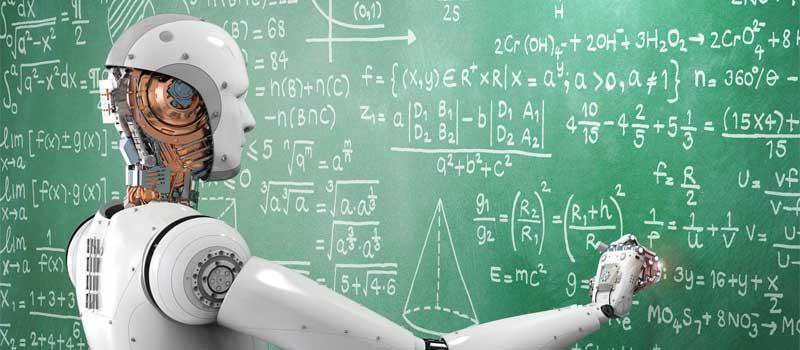
AI is already used in many areas of everyday life and business. It helps filter spam emails, recognize speech, recommend products, translate text, detect fraud, analyze images, manage traffic, personalize digital experiences, and automate repetitive tasks.
In enterprise environments, AI is becoming especially important because it can help organizations process large amounts of information faster and more consistently. Companies use AI for document processing, data analysis, forecasting, customer support, software development, cybersecurity, logistics, quality control, and knowledge management. Some of the most common AI use cases today include:
- automating repetitive business processes;
- analyzing large volumes of structured and unstructured data;
- detecting anomalies and security threats;
- supporting software development and testing;
- improving search and internal knowledge access;
- generating text, images, code, reports, and summaries;
- supporting medical image analysis and research;
- optimizing manufacturing and maintenance processes;
- improving customer service through chatbots and virtual assistants.
There are also particular cases when AI Neural Networks have been for composing music (you can listen to some here), writing poetry, and painting. And a lot more fun stuff and applications can be found on the internet.
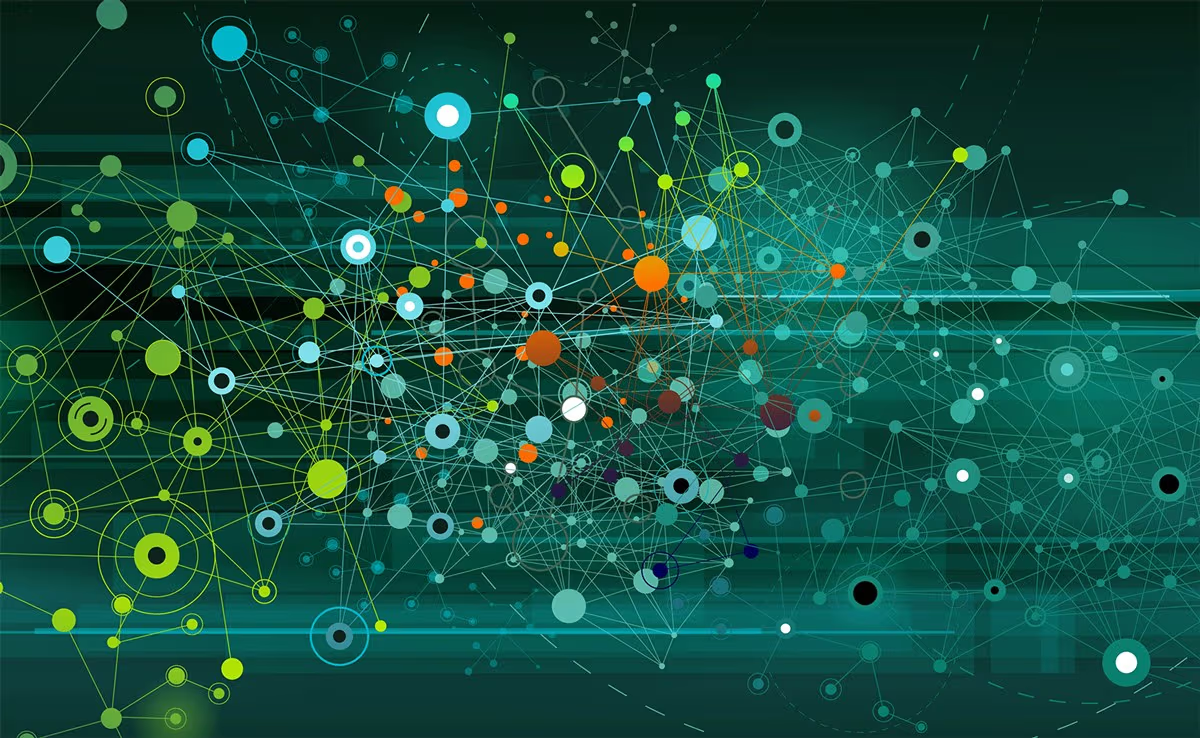
AI systems learn from data. In traditional machine learning, algorithms are trained on structured or labeled data to identify patterns and make predictions. In deep learning, neural networks process more complex data, such as images, speech, video, and text. In generative AI, models are trained on large volumes of data and can produce new outputs based on the patterns they have learned.
This type of learning is very different from human learning. People learn through experience, context, emotions, social interaction, values, and consequences. AI systems learn through mathematical patterns, statistical relationships, optimization processes, and feedback mechanisms.
That is why data quality is critical. An AI system is only as reliable as the data, objectives, constraints, and validation processes behind it. Poor data, biased datasets, unclear instructions, or weak testing can lead to inaccurate, unfair, or unsafe outputs.
For example, if an AI system is trained on incomplete or biased data, it may reproduce or amplify those biases. If a generative AI model is used without validation, it may produce confident but incorrect answers. If sensitive business data is introduced into an AI system without proper access control, the organization may create privacy or security risks.
AI can be very powerful, but it needs the right data, architecture, and governance to be useful and trustworthy.
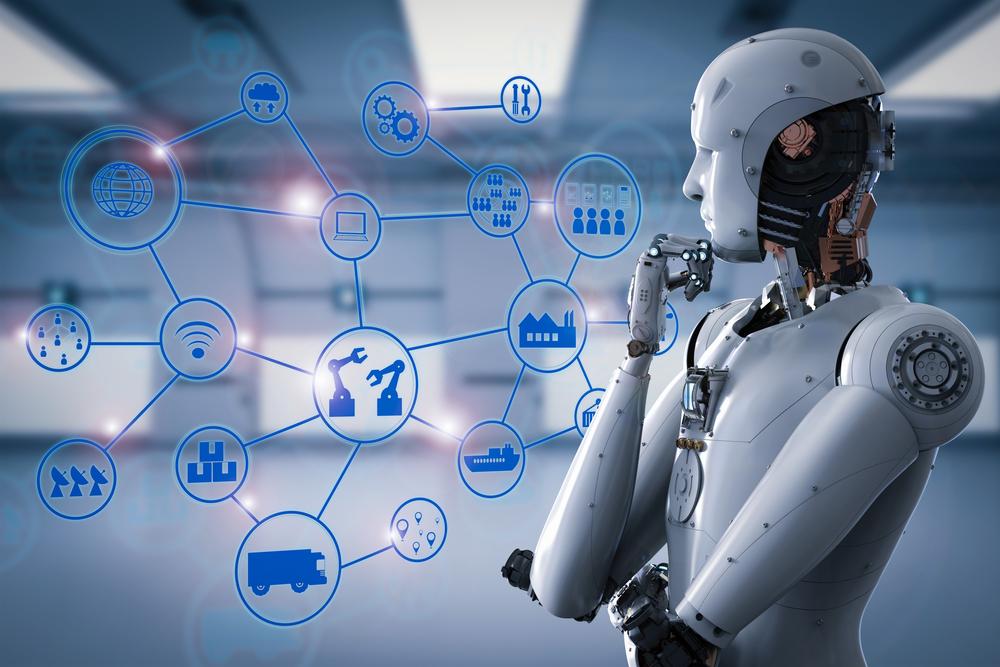
AI can perform tasks that look intelligent, but it does not understand meaning, responsibility, or consequences in the same way humans do.
A model can write a fluent answer without knowing whether that answer is true. It can identify patterns without understanding the full human context behind them. It can generate code without understanding its business impact. It can support decisions, but it cannot take ethical responsibility for those decisions.
This distinction matters.
AI is strong at processing information, detecting patterns, generating outputs, and working at scale. Humans are still essential for judgment, context, empathy, creativity, accountability, and ethical decision-making.
In other words, AI can support intelligence, but it does not replace human responsibility.
This is especially important in business environments. AI should not be treated as an independent authority. It should be treated as a system that supports people, improves workflows, and helps organizations make better-informed decisions when used correctly.
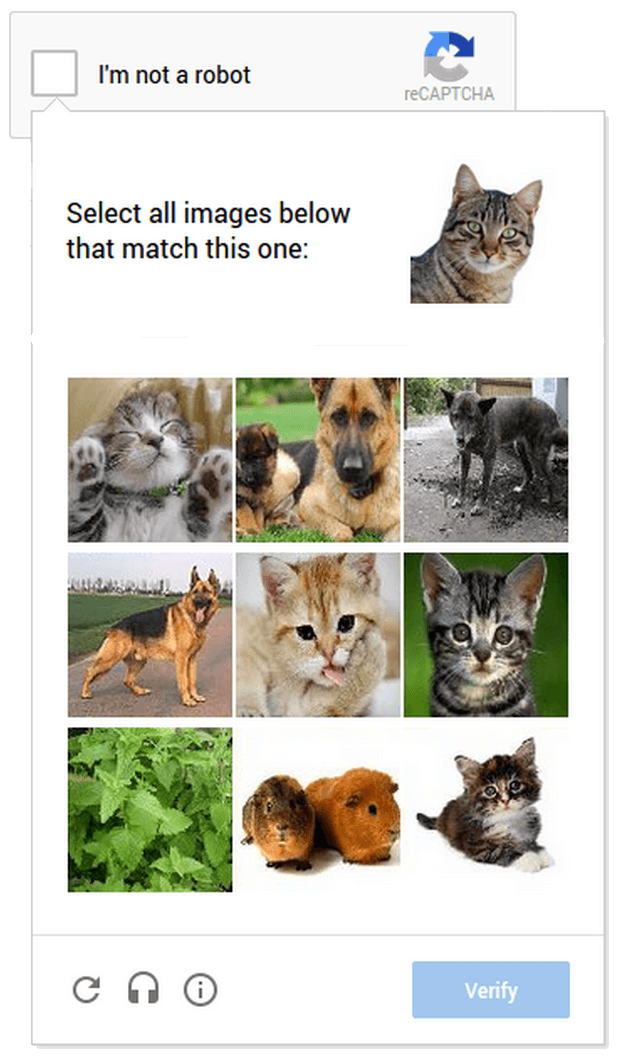
While a human, being capable of abstract thinking, is able to figure out a solution to almost any situation or problem it encounters. For a Machine learning algorithm, it’s impossible to do this. For now, any Artificial Intelligence algorithm is completely dependent on the developers designing it. And it will take some time until it will (maybe) be able to think on its own.
Artificial Intelligence (AI) is just an algorithm that’s capable of doing discrete operations much faster than a human can do. That’s not something new at all. We have used calculators to do basic math for some time. And because they are able to make computations faster than people, this does not necessarily mean they are smarter, or wiser than us.
Autonomy is not the same as independent will.
AI systems still depend on goals, permissions, data access, infrastructure, and constraints defined by people. They do not act because they “want” to achieve something. They act because they were designed, prompted, or configured to perform a task.
The real risk comes when AI systems are connected to sensitive data, business-critical workflows, external tools, or decision-making processes without proper safeguards.
This is why organizations need clear rules for how AI is allowed to operate. These rules should define what data the system can access, what actions it can perform, when human approval is required, how outputs are checked, and how the system is monitored over time.
As AI systems become more capable, governance becomes more important.

It’s been a few decades since we started using digital calculators. They can do math a lot faster than we do. Regardless of the number of operations a computer can perform, it will never have its own free will. For example, planets travel around the Sun in their orbits, and they never wonder what is outside of the solar system. While cats are unpredictable and you can’t ever guess what would be their next action. Luckily Artificial Intelligence (AI) will always be like planets and never behave like cats.
Therefore, AI is just a tool in a human’s hands and any tool can be either helpful or harmful, depending on who’s using it. Thus it’s a programmer's duty to program ethical AI algorithms. You can see Sophia’s advice in the Related Articles section at the bottom of the page.
AI will never do something because it wants to. It will do anything it’s programmed to do, and nothing else. It will never guess you need a vacation on an uninhabited island for two weeks in order to recover from your routine unless it is designed to do that.
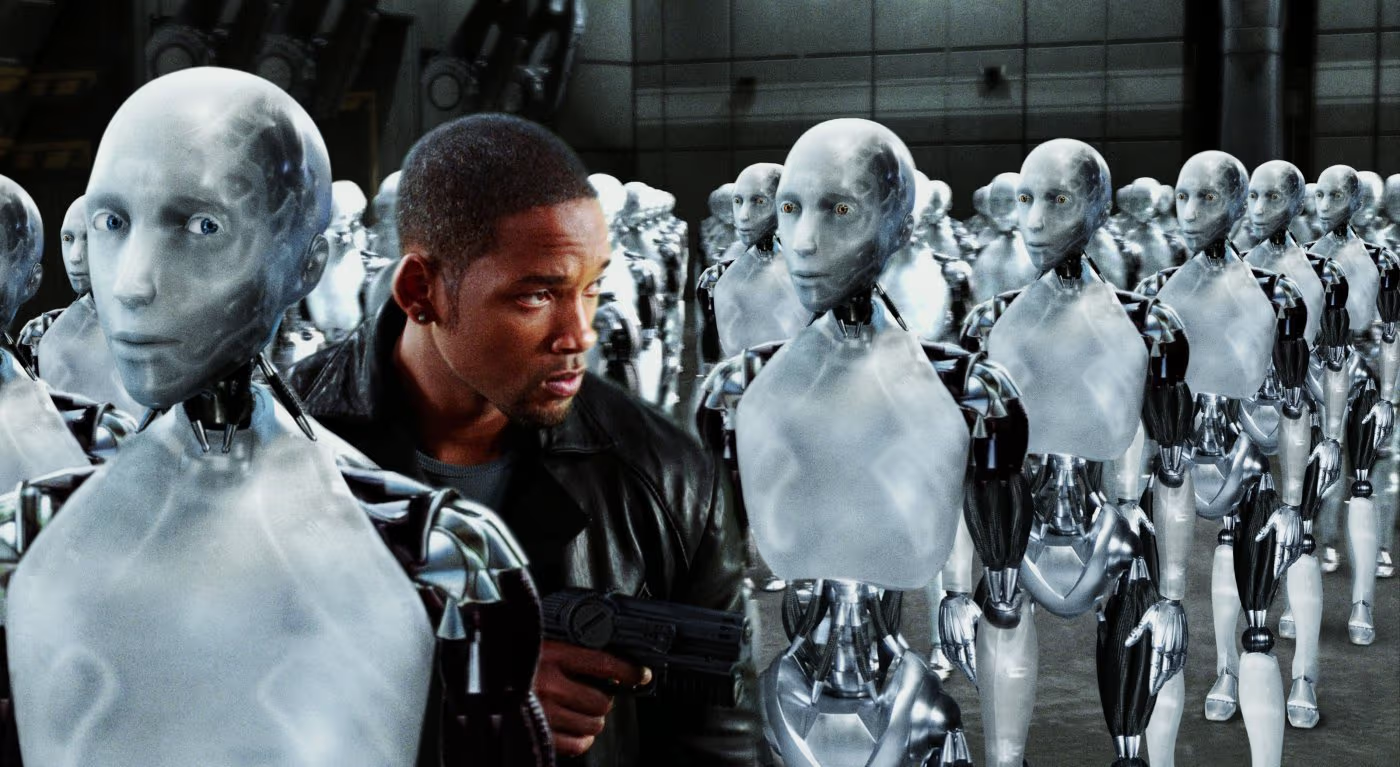
Artificial Intelligence (AI) is as creepy as it is amazing. It incites fear and doubts in us. Why? Because with advances in technology, AI is capable of doing much more than we can understand and control. It will improve more and more thus become more powerful. Max Tegmark, a physicist at MIT, compared AI to the development of nuclear weapons. Top scientists and technologists like Stephen Hawking, Bill Gates and Elon Musk believe that AI is a very real and dangerous threat to humankind.
A lot of jobs have been replaced by AI and more are to be replaced. This is a real concern for us since in modern society you can’t provide for your family until you have a job.
We’re very uncomfortable when others outsmart us. Nobody likes to be beaten in something they consider they’re the best at. Machines have proven to be better than humans in many areas. But when the rules are changed slightly they’re useless. For example, if we change a single rule in chess, the AI bot that beat Gary Kasparov would have to take its time (hours or days) to relearn everything, while Kasparov would win the fight.
Although AI is on trend now, human intelligence has never been off-topic. In our times human intelligence is demanded more than ever. Humanity has geniuses and big personalities that remind us of the incredible capabilities of human beings - from natural science scientists, philosophers, artists, sportsmen, stuntmen, aaand... parents - they’re godlike!
Sometimes we make bad decisions or it takes too much time for us to make up our minds.
One of the reasons for this may be the acknowledgment that following one decision or another will have consequences that we are aware of. And maybe we want to avoid some of them.
Sometimes our fears can make us blind to the opportunities that a decision may bring. For example, “She’s so good I’d marry her, but… what if she says NO?” Or sometimes we can think too quickly without properly considering the consequences of our decisions - and the consequences can find us unprepared and hit us hard.
Or, we rely on our experience, and even then we can fail. Because no matter how big our experience may be, it still only covers the trials we had and not every possible case.
And, of course, sometimes we overthink - we get into more details, try rethinking things we already know, and try to change our views and - this makes us confused and we are stuck with making decisions.
A consequence of our decisions is that we must work - and humans are lazy! We’ll accept the path that requires the least effort. And only in very few cases, laziness can prove to be the engine of development.
According to Albert Einstein, genius is 1% inspiration and 99% perspiration. AI does not have inspiration, but we can use AI to lower the perspiration.

Because a good movie requires drama, the scenario of an Artificial Intelligence (AI) apocalypse is very common in movies like "Terminator", "Matrix", "I Robot" and many more.
If there will ever happen to be a war between humans and machines it’s clear that humans will survive because of their adaptability. And not only because of our skills, but sometimes even our mistakes can prove to work for our benefit. For example, X-rays have been discovered accidentally.
We have survived the Black Death (bubonic plague), wars, famines, natural disasters, and we’re still alive even after our teen crush left us for someone else. What would stop us from surviving an AI apocalypse?
Artificial Intelligence is not automatically a threat to humanity. It is also not a guaranteed solution to every business problem.
AI is a powerful technology whose impact depends on how it is designed, trained, deployed, and governed. Used carelessly, it can create risks related to misinformation, bias, privacy, security, compliance, and accountability. Used responsibly, it can help people work faster, make better use of data, automate repetitive tasks, and solve complex problems.
The future of AI should not be reduced to fear or hype. The real priority is responsible implementation.
That means clear use cases, secure infrastructure, reliable data, human oversight, and governance throughout the AI lifecycle. When these elements are in place, AI becomes less of a threat and more of a practical tool for progress.
This article wouldn't be the same without Sophia the robot.
Please don’t forget and be aware!
Technology is meant to be used by men, not vice-versa. Be careful of how you use your technology and don’t be addicted to it.
Enjoy life naturally!
Frequently Asked Questions
Is AI a threat to humanity?
AI is not inherently a threat to humanity, but it can pose serious risks when developed or used without proper safeguards. The main risks today include misinformation, bias, privacy issues, cybersecurity threats, lack of accountability, and overreliance on automated decisions.
What are the biggest risks of artificial intelligence today?
The biggest AI risks include inaccurate outputs, biased results, misuse of sensitive data, security vulnerabilities, lack of transparency, unclear accountability, and job disruption. These risks are why AI governance, testing, monitoring, and human oversight are essential.
How can companies use AI responsibly?
Companies can use AI responsibly by defining clear use cases, protecting sensitive data, validating outputs, monitoring system performance, documenting AI usage, keeping humans involved in important decisions, and aligning AI development with governance frameworks such as ISO/IEC 42001.