Women's Day at ASSIST Software: Creativity, Community, and a Broader Conversation About Women in Tech
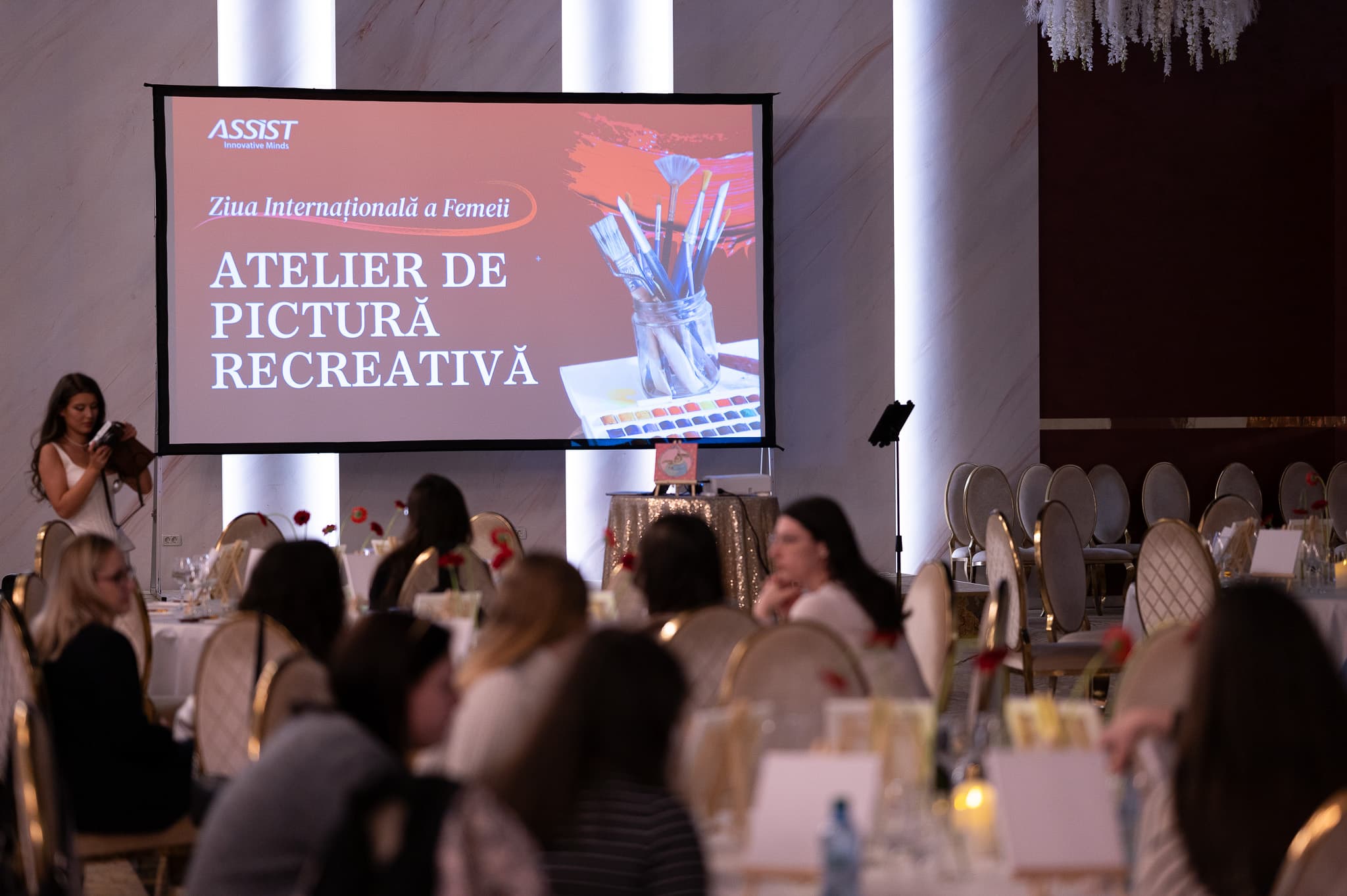
To celebrate International Women's Day, around 50 colleagues from ASSIST Software set aside code reviews, project deadlines, and technical documentation for something entirely different: a painting workshop led by local artist Silvia Clipa, accompanied by a live saxophone recital and a shared dinner.
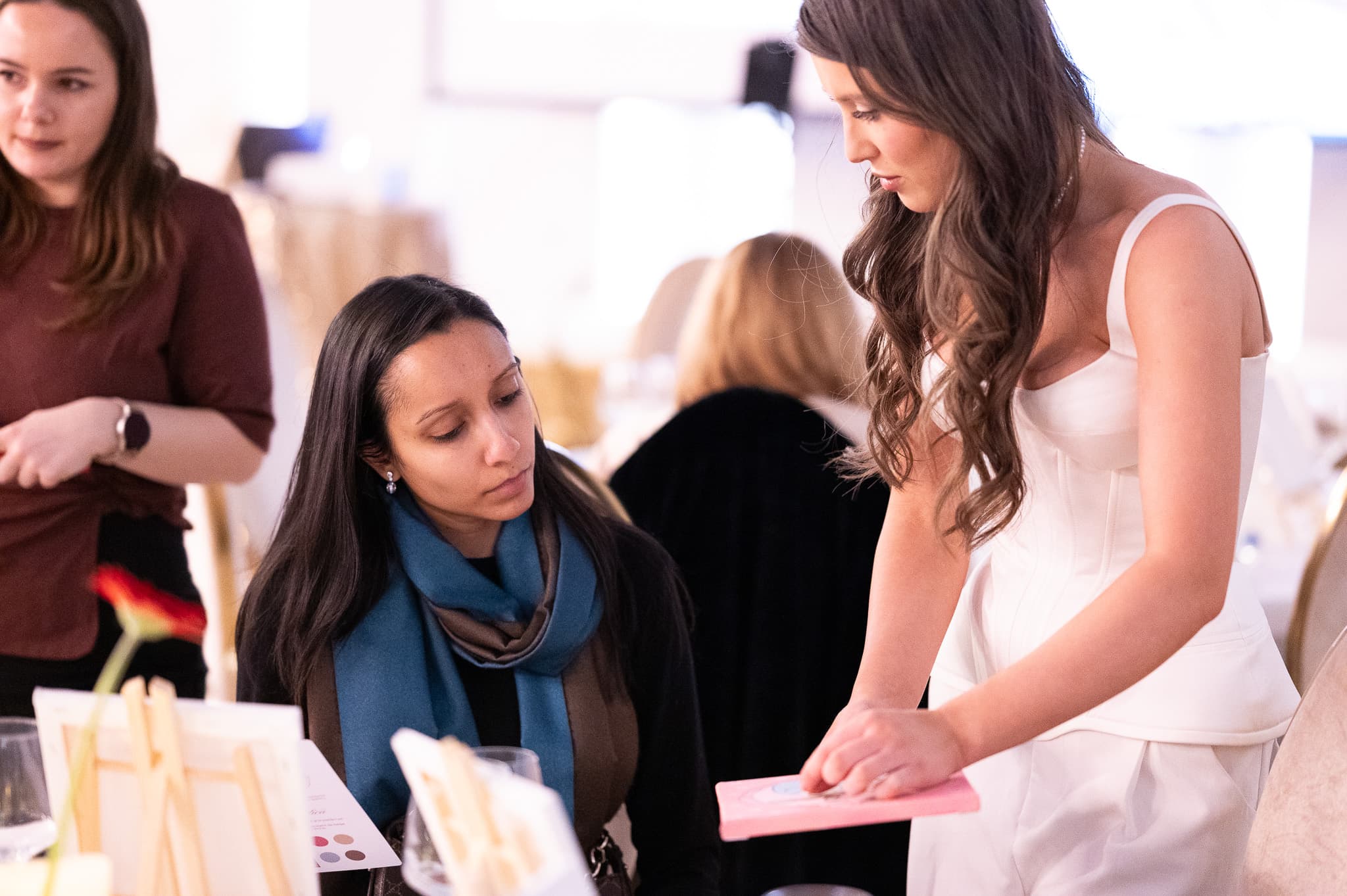
Each participant worked at her own easel, following step-by-step guidance through color composition and painting techniques, and took home a finished canvas by the end of the evening. In a relaxed atmosphere and with ongoing informal conversations, for a few hours, the usual boundaries between teams and roles dissolved into something simpler: colleagues enjoying an evening together.
It was a small event by most measures. But the intention behind it matters.
Women in Tech in 2026: Progress and Persistent Gaps
Gender diversity in the technology industry remains one of the sector's most documented and least resolved challenges. Women currently represent roughly 26 to 28 percent of the global technology workforce, a figure that has remained largely stable despite growing awareness and billions spent on diversity programs. Representation drops further in specialized areas: software engineering, infrastructure engineering, and senior technical leadership consistently show lower female participation than the industry average, with women holding just 16 percent of engineering roles and 22 percent of software engineering positions globally.
The challenge is not only about entry. It is equally about what happens after. Career progression in technical environments, access to leadership pathways, and long-term retention remain areas where structural barriers persist, often in ways that are difficult to measure but easy to experience. Women leave tech at 45 percent higher rates than men, with workplace culture cited as the primary reason by more than half of those who exit the field.
For companies serious about building inclusive workplaces, acknowledging this reality is the starting point. Acting on it requires something more sustained than a single initiative or an annual event.
What the Women's Day Workshop at ASSIST Software Actually Looked Like
The International Women's Day event at ASSIST Software was designed with one clear objective: to create a space outside the technical environment where colleagues could connect, relax, and engage creatively.
Artist Silvia Clipa guided the group through a structured painting session, with each participant working on her own canvas from start to finish. A live saxophone recital accompanied the workshop, and the evening closed with a shared, informal, unhurried, and deliberately separate dinner.
For a company of over 350 people working across complex software engineering, AI development, and digital product projects, moments like this carry practical value. They increase visibility across teams, create informal connections that rarely happen in sprint reviews or technical meetings, and signal something genuine about the kind of workplace the company is trying to build.
Why Gender Diversity in Software Companies Matters Beyond the Numbers
The business case for gender diversity in tech is well established. Diverse teams ask better questions, catch more edge cases, and build products that work for a broader range of users. According to McKinsey's 2023 Diversity Matters report, companies in the top quartile for gender diversity on executive teams are 39 percent more likely to outperform peers financially, a figure that has more than doubled since the same research began in 2015.
But the more immediate case is less about performance metrics and more about workplace culture: an environment where people from different backgrounds can build long-term careers is simply a better place to work.
At ASSIST Software, the Women's Day workshop is part of a broader approach to workplace culture that includes professional development, internal mobility, and an inclusive environment across all roles, from engineering and QA to design, AI, business development, and operations. Two years ago, the company launched "There's No Difference", a pro-diversity campaign built around a simple premise: individuals are vastly different, but ASSIST does not discriminate or fit people into boxes. The campaign formalized commitments around unbiased hiring, equal pay, mentorship programs, and personal development initiatives tailored to the specific needs of everyone in the company.
The women at ASSIST are not a minority in need of a spotlight. They are colleagues building careers in a field that still has structural work to do.
The painting workshop was one evening. The conversation it reflects is ongoing.
Key Takeaways
- Women represent approximately 26 to 28 percent of the global tech workforce, with lower representation in engineering and leadership roles
- ASSIST Software marked International Women's Day with a painting workshop attended by around 50 colleagues, led by artist Silvia Clipa
- Gender diversity initiatives in tech companies are most effective when they are part of a sustained cultural approach, not isolated events
- Diverse engineering teams consistently show stronger outcomes in problem-solving, product design, and innovation
Frequently Asked Questions
What percentage of the tech workforce is female?
According to recent data from WomenHack and Spacelift, women account for approximately 26-28% of the global technology workforce. Representation is lower in software engineering, infrastructure, and senior technical leadership roles.
How can tech companies support gender diversity?
Effective approaches combine structural measures, equal access to leadership pathways, mentoring programs, transparent promotion criteria, with cultural initiatives that make diverse professionals feel valued and supported throughout their careers, not just on designated awareness days.
What did ASSIST Software organize for International Women's Day?
ASSIST Software organized a painting workshop for approximately 50 female colleagues, led by artist Silvia Clipa. The event included a live saxophone recital and a shared dinner, offering a creative and informal space outside the usual technical work environment.
Why does gender diversity matter in software engineering specifically?
Software engineering teams with diverse composition tend to build products that account for a wider range of user needs, identify edge cases more effectively, and approach problem-solving from multiple perspectives. McKinsey's research consistently links team diversity with stronger organizational and innovation outcomes.