Defense technology is now a software engineering problem
Why software has become central to operational readiness
Three areas where software expertise is now decisive
Interoperability is where most of the engineering effort lives
What long-term engineering discipline looks like in defense contexts
Where ASSIST Software stands on this
The next generation of defense capability will be built in code
Frequently asked questions
Earlier this year, we attended BSDA, the Black Sea Defense, Aerospace, and Security International Exhibition. Walking through that event, one thing stood out: the conversations that mattered most were not about platforms, vehicles, or physical infrastructure. They were about software, data, security, and the engineering discipline behind systems that must work without fail.
For most of its history, the defense industry was understood through its hardware. Aircraft, sensors, communication systems, and physical infrastructure were the visible measures of capability. That framing made sense when the decisive advantage came from what a system could do physically. It makes less sense now.
The most consequential capabilities in modern defense are increasingly defined by the software that connects, secures, simulates, and coordinates physical systems, rather than by hardware alone. That shift changes what defense organizations need to build, who they need to build it with, and what engineering discipline looks like in this sector.
Why software has become central to operational readiness
Defense systems operate in conditions where uncertainty is the baseline. Data arrives from multiple sources of varying reliability. Communication networks are not always stable, threats evolve faster than procurement cycles, and systems must work across different platforms, organizations, and operational environments, often simultaneously.
Software is the layer that makes coordination possible in those conditions. It connects sensors with command systems, turns raw data into actionable information, enables interoperability between legacy infrastructure and modern platforms, and provides the visibility and traceability that complex operations require.
The margin for error in defense environments is significantly smaller than in standard commercial software. A consumer application can tolerate minor delays or occasional friction. A defense system cannot. That means reliability, security, auditability, and resilience need to be designed in from the start, not added later when problems surface.
The distinction matters practically. Software retrofitted for security or resilience after the fact often creates new vulnerabilities while addressing old ones. In defense contexts, that is not an acceptable tradeoff.
Three areas where software expertise is now decisive
Artificial intelligence is one of the most active areas of transformation in defense technology. AI can support data analysis, anomaly detection, predictive maintenance, simulation, and operational planning. Defense contexts, however, impose constraints that most commercial AI deployments do not face.
The system must be explainable enough to support human trust. It must be monitored continuously. And it must be integrated into workflows where human oversight is not optional. A capable black-box model is not a viable solution in an environment where the consequences of a wrong decision are operational, not just commercial.
Cybersecurity has become equally foundational. As defense systems grow more connected, the attack surface expands in proportion. Secure architecture, access control, encryption, vulnerability management, and threat detection are structural requirements of any modern defense system. A system that is operationally capable but not secure creates a risk that outweighs its capability.
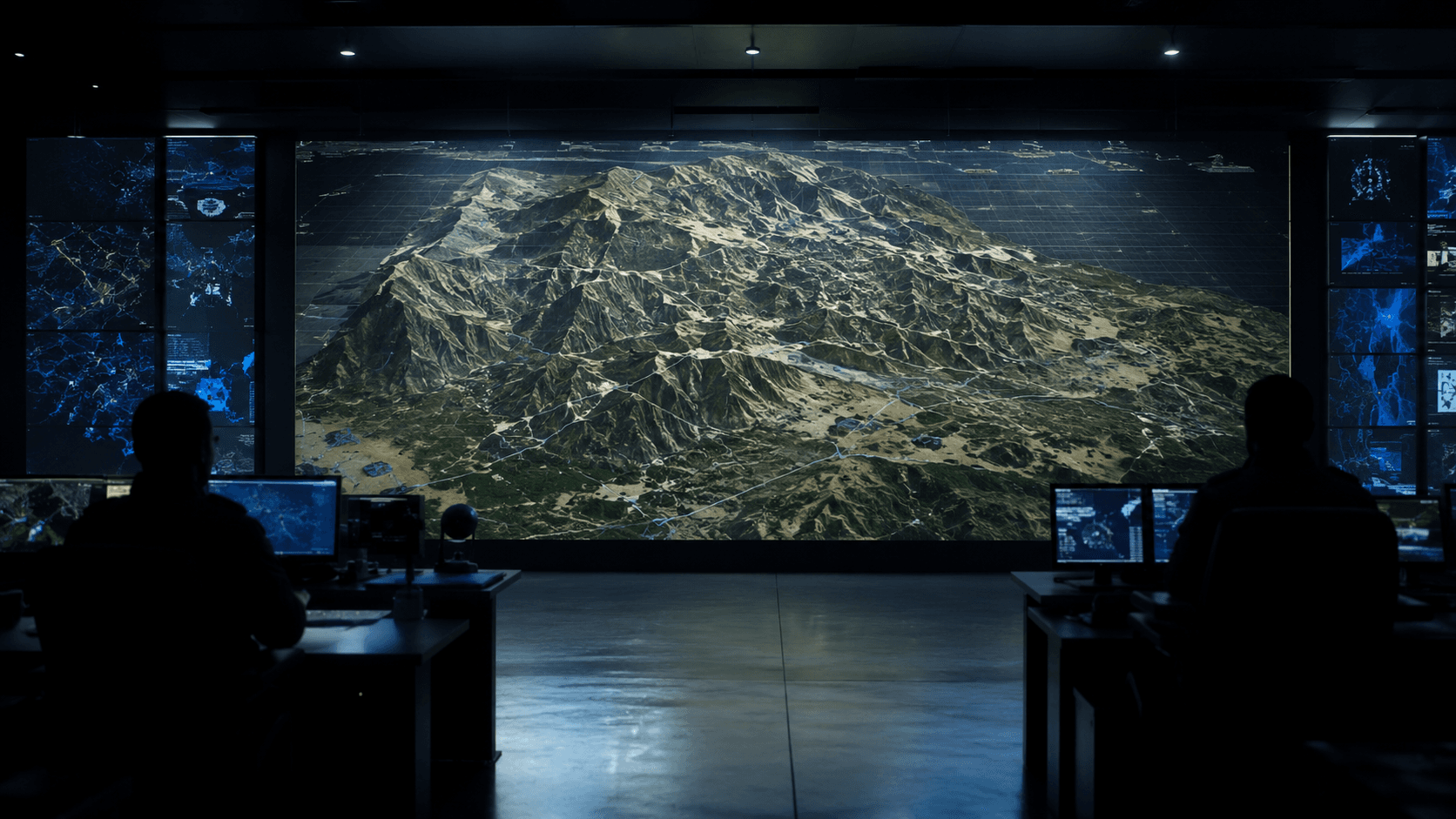
Simulation is a third area where software is reshaping how defense capability is developed and validated. Before complex systems are deployed in real environments, they need to be tested, understood, and refined under conditions that physical testing alone cannot replicate at scale. Simulation platforms compress timelines, reduce operational risk, and improve decision quality by allowing teams to model scenarios, identify failure modes, and train against them before deployment.
Together, these three areas illustrate how much of modern defense capability now depends on software expertise rather than hardware specification alone.
Interoperability is where most of the engineering effort lives
One of the most persistent and underestimated challenges in defense is interoperability. Most defense organizations operate a combination of legacy systems, modern applications, specialized hardware, cloud environments, and partner platforms that were not designed to communicate with one another.
Solving that problem requires APIs, integration layers, data standards, secure communication protocols, and modular architectures that can evolve without disrupting operational continuity. It also requires a practical understanding of how systems behave under real conditions, with real users, real constraints, and real consequences when something fails.
A system that performs well in isolation behaves differently inside a larger operational ecosystem. Data formats that looked consistent across testing turn out to vary across sources. Systems that were expected to communicate reliably do not always do so under operational load. Closing those gaps is where a significant portion of the engineering effort in this sector is concentrated, and where the difference between a system that works in a demo and one that works in the field is most clearly visible.
What long-term engineering discipline looks like in defense contexts
Defense systems are not built once and maintained indefinitely without change. They evolve, integrate with new platforms, face new threat environments, and operate under updated requirements. The software powering them needs to be designed with that reality in mind.
Long-term engineering discipline in this context means maintainable architectures that can absorb change without requiring full rebuilds. It means security practices that are continuous rather than point-in-time. It means data pipelines that remain reliable as sources change. It means AI components that are monitored and retrained as the environments they operate in evolve. And it means integration governance that accounts for the downstream consequences of upstream changes before they reach production.
These are not aspirational standards. They are operational requirements for any software system expected to remain useful and trustworthy over a deployment lifecycle measured in years, not months.
Where ASSIST Software stands on this
For ASSIST Software, defense technology represents a direction we are approaching with a clear-eyed assessment of what we bring to it. Our foundation in software engineering, AI, cybersecurity, simulation, and complex system integration was built across sectors where the consequences of failure are real, and the tolerance for unreliable software is low.
That experience directly translates into what defense contexts require. The engineering standards we apply to healthcare platforms, industrial automation systems, and enterprise software are the same standards this sector demands. Reliability, security, long-term maintainability, and the discipline to treat integration as an ongoing concern rather than a one-time task.
You can find more about how we approach defense software engineering on our defense industry page.
The next generation of defense capability will be built in code
Defense technology will continue to depend on advanced equipment and operational expertise. The systems that will define the next generation of capability, however, will be distinguished by the software powering them, the security architecture protecting them, and the engineering discipline keeping them reliable under pressure. That is the challenge the sector is working through, and it is one that requires exactly the kind of long-term technical thinking that serious software engineering demands.
Frequently asked questions
What is defense software engineering, and why does it matter?
Defense software engineering encompasses the development, integration, and maintenance of software systems used in military and security environments, including AI, cybersecurity, simulation, command-and-control systems, and interoperability across platforms. It matters because modern defense capability increasingly depends on software to coordinate, secure, and operate physical systems. A technically capable hardware platform is only as effective as the software running inside it.
How is software engineering different in defense compared to commercial applications?
Defense software operates under significantly tighter constraints than most commercial applications. The margin for error is smaller, the security requirements are more stringent, the need for explainability and auditability is greater, and the consequences of failure are operational rather than commercial. Software in defense contexts must be designed with reliability, resilience, and security from the start, and it must perform consistently across complex, often unpredictable environments.
What role does AI play in modern defense systems?
AI supports a range of defense applications, including data analysis, anomaly detection, predictive maintenance, simulation, and decision support. In defense contexts, however, AI must meet constraints that commercial deployments often do not face. Systems must be explainable, continuously monitored, and integrated into workflows where human oversight is essential. AI that cannot meet those requirements is not operationally viable regardless of its technical performance.
Why is interoperability such a significant challenge in defense technology?
Defense organizations typically operate a mix of legacy systems, modern platforms, specialized hardware, and partner technologies that were not designed to work together. Achieving interoperability requires careful integration engineering, including APIs, data standards, secure communication protocols, and modular architectures. The challenge is compounded by strict security requirements and the operational consequences of integration failures in field conditions.