Reimagining Mobile Accessibility Through Generative AI: Project A(I)BILITIES at ASSIST Open Doors 2026
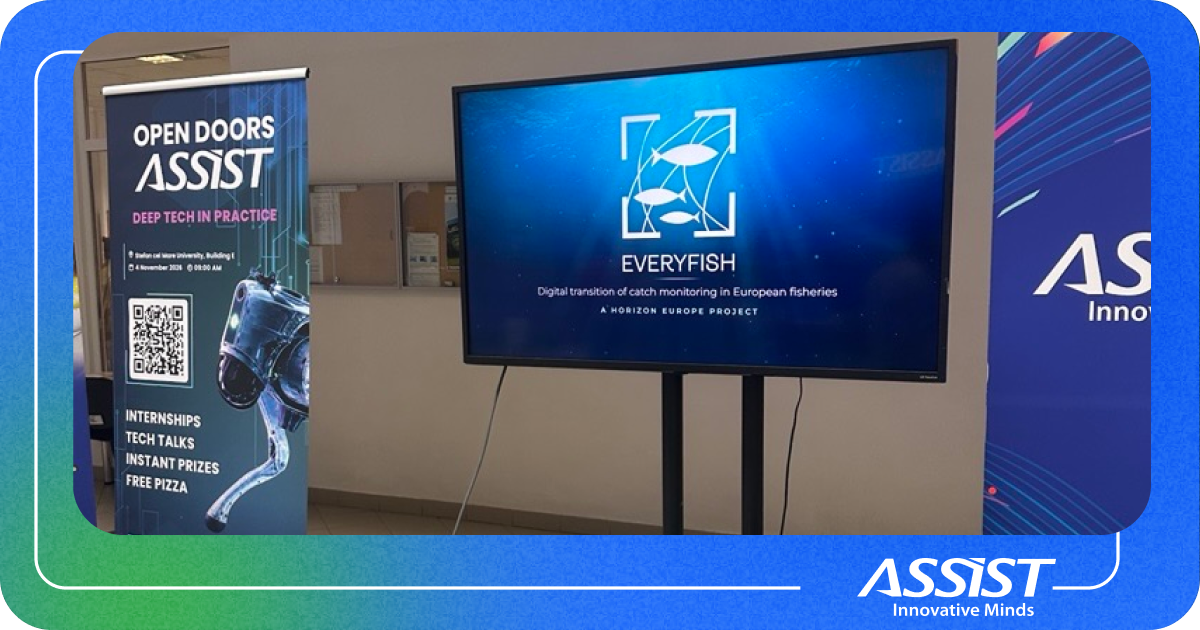
Even with the European Accessibility Act (EAA) raising expectations for inclusive digital products and services across the EU, there are still mobile apps that rely on static, one-size-fits-all layouts – leaving people with motor or visual impairments to navigate interfaces that were never designed around how they actually interact with a screen. On November 4, 2026, during ASSIST Open Doors 2026 hosted at the Ștefan cel Mare University of Suceava (USV), ASSIST Software introduced A(I)BILITIES – a national research and development project using generative artificial intelligence to help mobile interfaces adapt naturally to each person’s needs.
Bridging Academia, Industry, and Inclusive Design
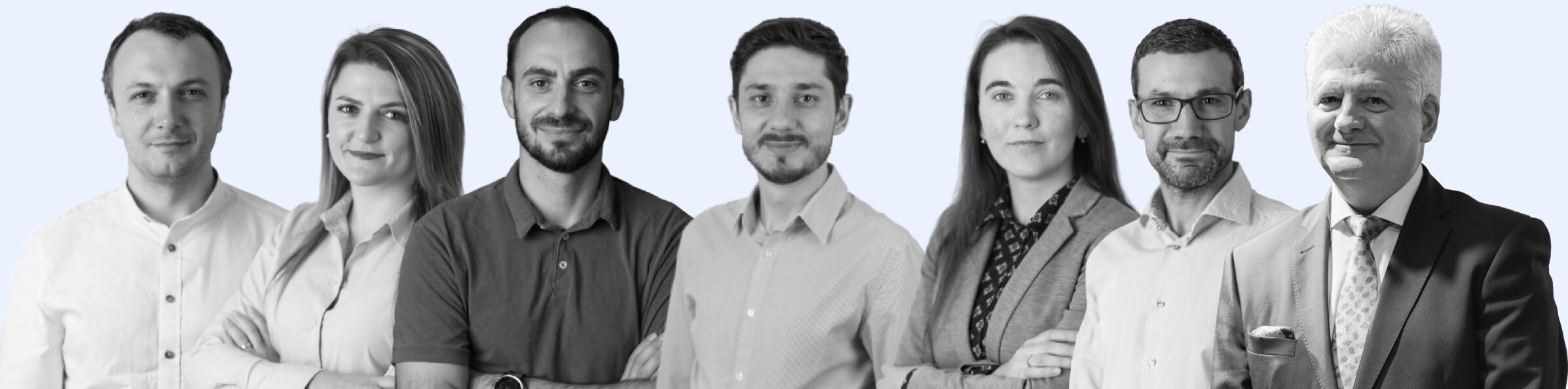
Developed jointly by ASSIST Software (as project coordinator) and the MintViz Lab of the Ștefan cel Mare University of Suceava, A(I)BILITIES reflects what happens when local software engineering and university research come together around a clear human goal.
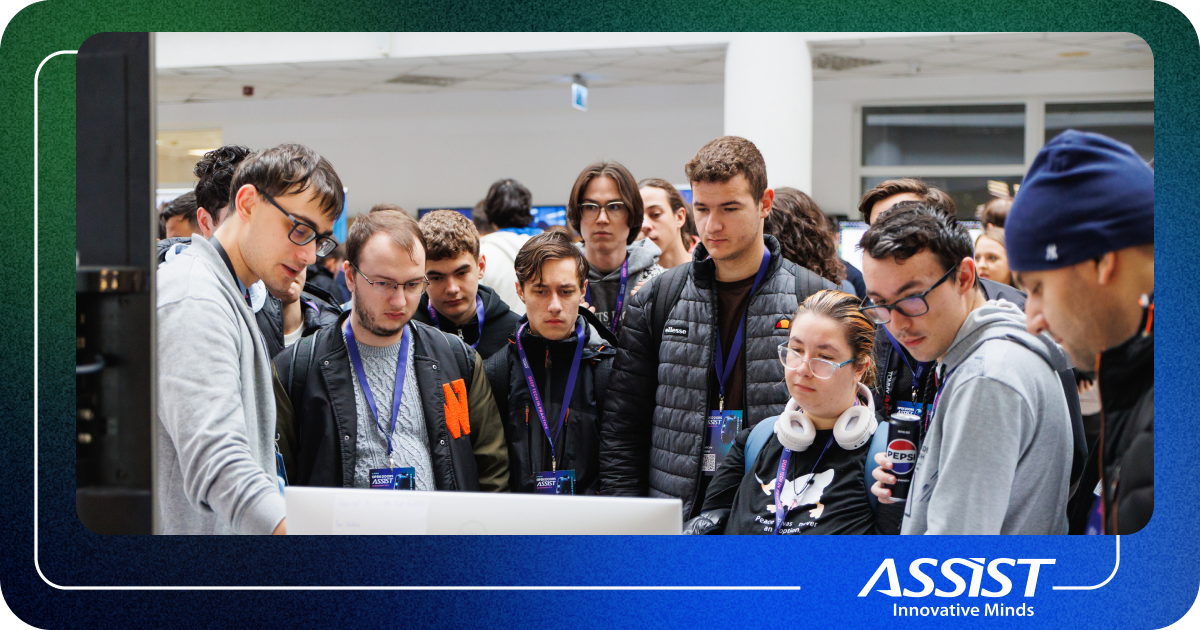
Throughout the day, our team spoke with students curious about artificial intelligence, software engineering, and digital accessibility, sharing how the project has evolved and where it is headed. Instead of forcing users to dig through complex settings or settle for rigid accessibility modes, the conversations explored how generative AI can quietly learn from real interactions – easing everyday digital friction for people living with reduced dexterity, spinal cord injuries, or low vision.
Inside the A(I)BILITIES Architecture and Mobile SDK
Running from January 2025 to December 2026 and built with technologies including Python, AI/LLMs, Svelte, and PostgreSQL, A(I)BILITIES combines a cloud platform with a dedicated mobile Software Development Kit (SDK) so developers can build adaptive accessibility directly into native mobile apps from the start:
Real-Time Adaptive Interfaces: Powered by a generative AI personalization engine, the mobile SDK observes interaction patterns and dynamically adjusts UI elements – including button sizes, positioning, layout, and touch gestures like taps and swipes – to match each user’s motor or visual profile.
Continuous Learning & Personalization: As people use an application, the system refines its adaptation models using interaction and user-experience feedback gathered across diverse disability profiles.
Developer-Ready Integration: By packaging this intelligence into a reusable SDK and cloud infrastructure, A(I)BILITIES helps software teams, healthcare providers, educational institutions, and public-sector organizations create inclusive mobile experiences and meet accessibility standards without starting from scratch.
Designing Software That Adapts to People
With the 24-month initiative approaching its conclusion at the end of December 2026, sharing A(I)BILITIES at ASSIST Open Doors 2026 gave students and future developers a concrete look at how assistive technology moves from research labs into everyday life. Those conversations also reinforced a simple idea at the heart of ASSIST Software’s R&D work: good software shouldn't ask people to adapt to rigid technology – it should adapt to them.
Building on the technical foundation and validation results achieved so far, the consortium is actively exploring new European funding opportunities to expand A(I)BILITIES further – scaling its adaptive AI capabilities, supporting wider real-world adoption, and bringing personalized digital accessibility to even more users and platforms.
Funding and Support
A(I)BILITIES (Generative Artificial Intelligence for Personalized Interactive Solutions for Users with Disabilities) is a 24-month nationally funded R&D project financed through PN-IV by the Executive Unit for Financing Higher Education, Research, Development and Innovation (UEFISCDI) under Project ID PN-IV-P7-7.1-PTE-2024-0434