General Manager of ASSIST Software GmbH at Millstätter Wirtschaftsgespräche 2026
On April 23 and 24, Tudor Andronic, General Manager of ASSIST Software GmbH, participated as a speaker at the Millstätter Wirtschaftsgespräche 2026, one of the most prominent senior business forums in the DACH region. Held annually in Millstatt am See, Austria, the event brings together senior decision-makers from business, technology, and policy. This year's eleventh edition was built around the theme “Economy.Power.Technologies.”, exploring how economic power, technology, and political decisions shape the future.
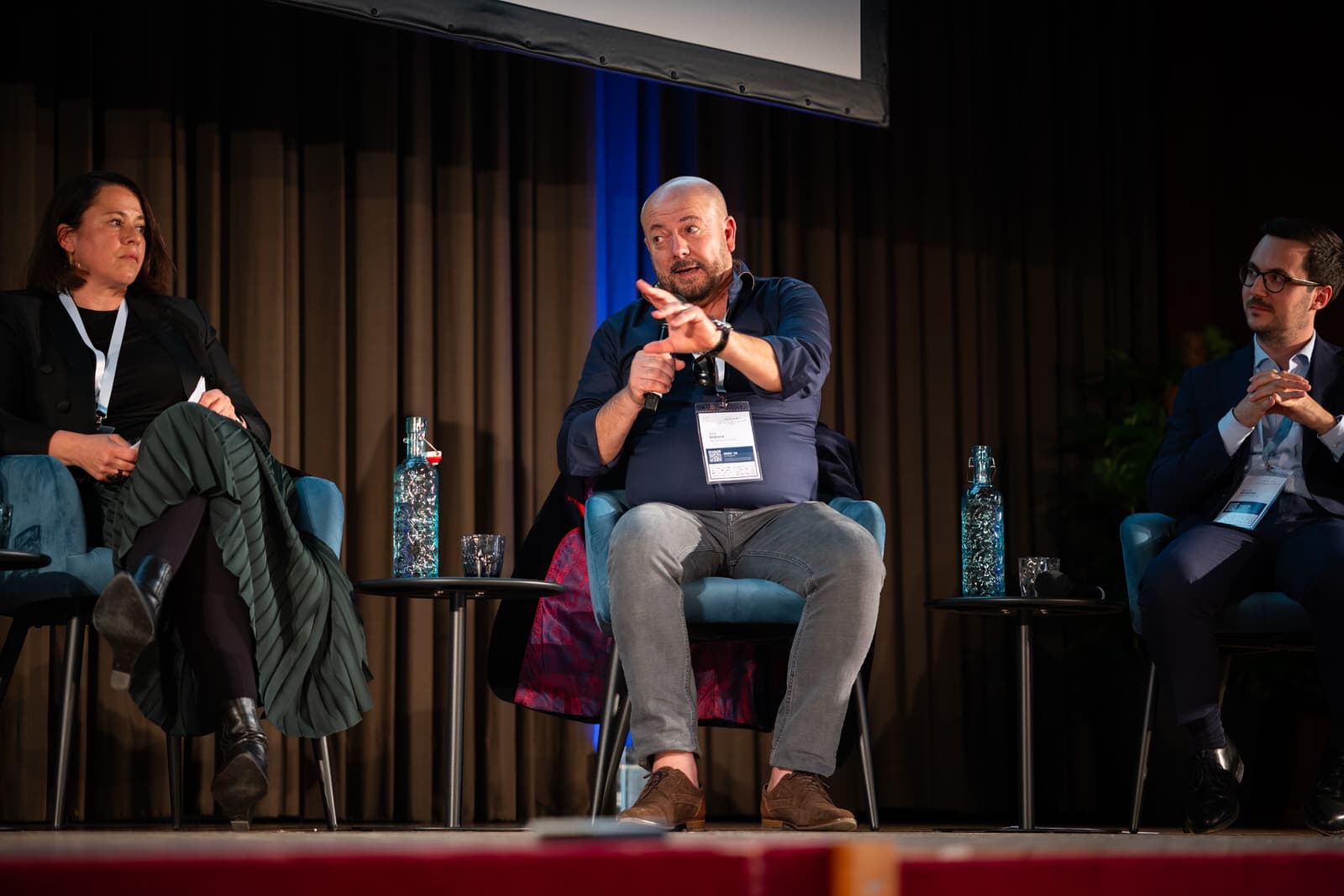
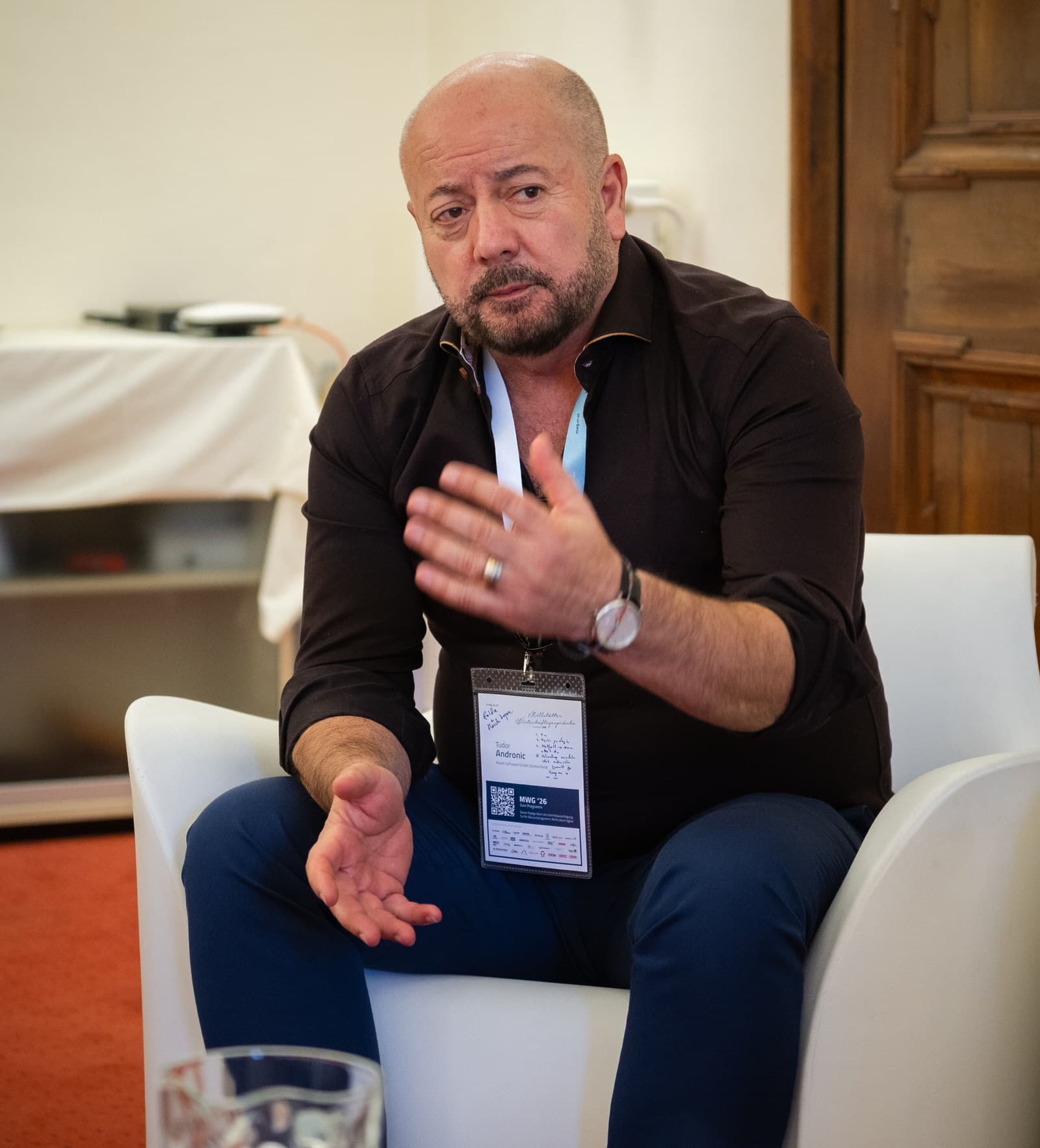
Tudor Andronic took part in three panel discussions across both days, each approaching the intersection of technology, economy, and governance from a different angle.
Technology Moves Fast. Governance Moves Slower.
The first panel addressed a question that sits at the center of most conversations about AI and digital transformation: who shapes the future, and who is accountable for it? Tudor joined Wolfgang Sobotka, former President of the Austrian Parliament, Alexander Windbichler, and Clemens Jabloner for a discussion on how business and political decisions define the direction of digital economies, what influences our collective ideas about where technology is heading, and what responsibility looks like when the pace of change consistently outpaces the pace of governance.
These are not comfortable questions, and the format of the Millstätter Wirtschaftsgespräche is deliberately designed to engage with them directly.
Security, Resilience and the Cost of Getting It Wrong
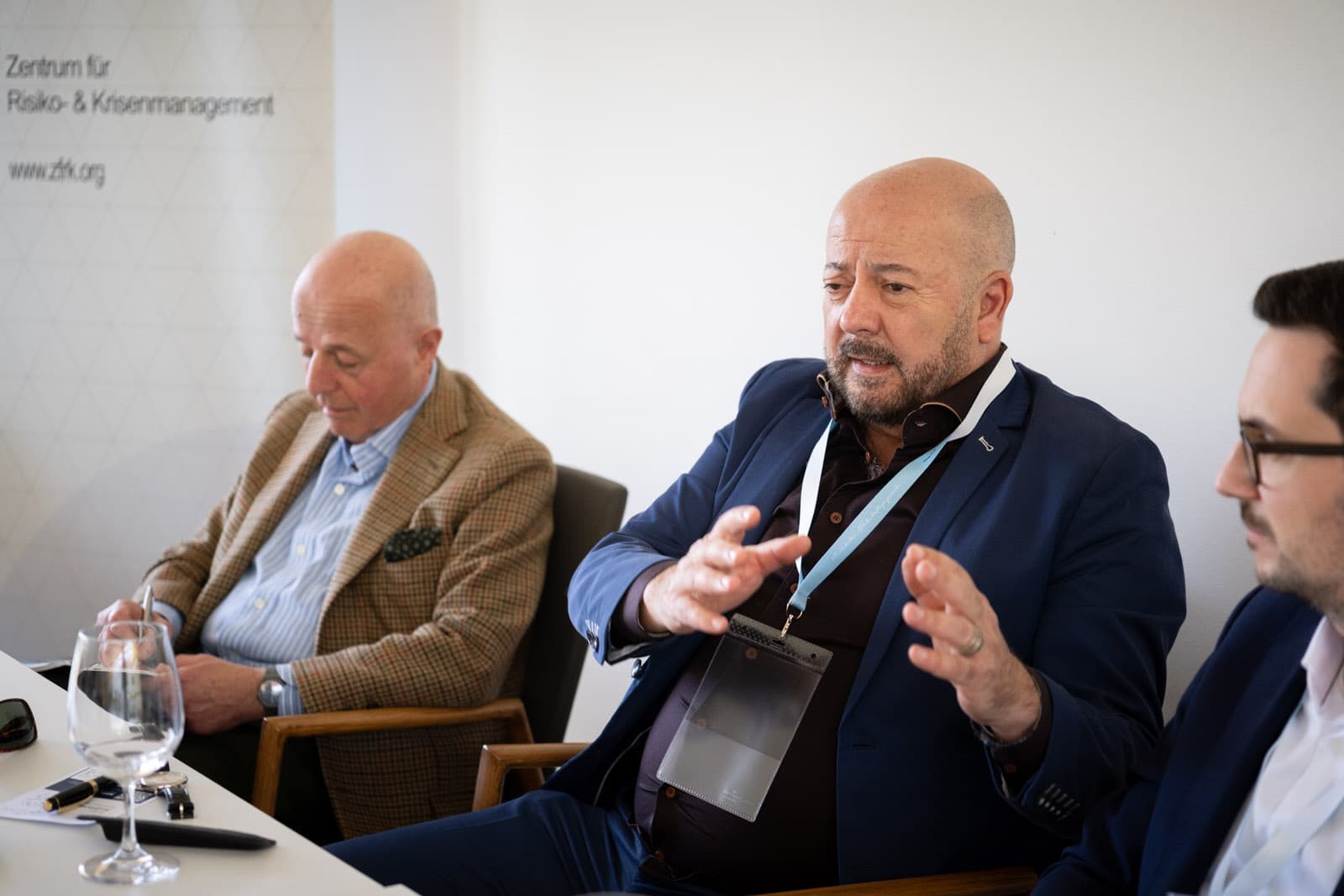
The second session focused on the practical implications of AI, robotics, and platform-based business models for security, resilience, and regulatory compliance. The discussion covered digital sovereignty, NIS-2, and supply chain resilience, and what these concepts mean for companies building and deploying these systems in production environments.
Tudor contributed alongside Jürgen Schulze, Ulrike Lechner, and Albrecht Broemme, the former President of the German Federal Agency for Technical Relief. The session was designed to move past definitions and into practical guidance for organizations navigating the growing complexity of digital compliance and operational security.
AI Is Changing the Rules. The Question Is Who Controls Them.
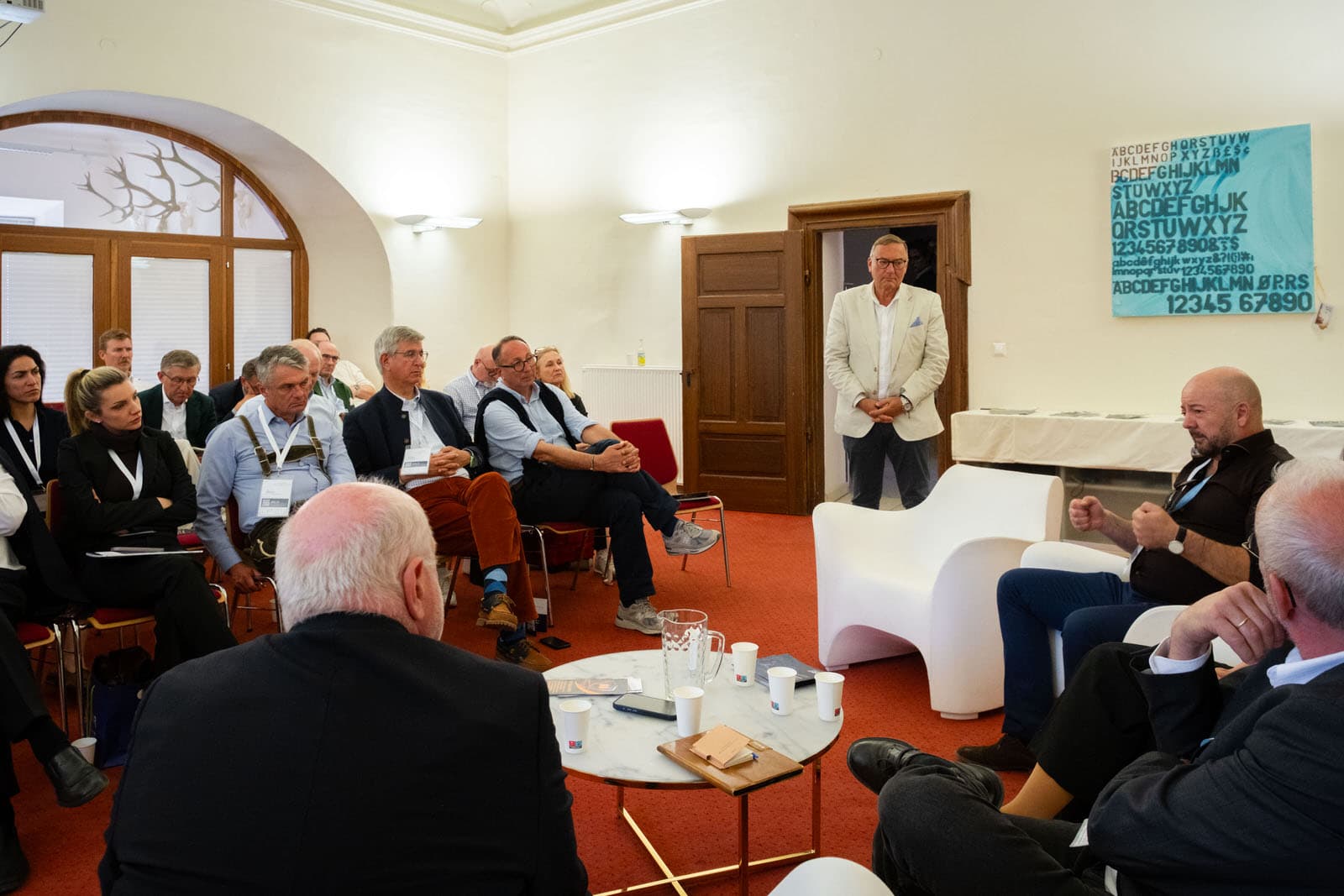
The third panel, part of the Millstatt Panel series, under the theme “Economy.Power.Technologies,” examined how AI and algorithms are fundamentally changing business models, productivity, and economic dependencies. The conversation addressed the risks of digital oligopolies, the limits of control, and how companies can increase their strategic sovereignty over the technologies they depend on.
Tudor joined Alexander Windbichler, Margarete Schramböck, former Austrian Minister of Digital and Economic Affairs, and Bianca Pfaller. The central question was a practical one: how do you use the power of new technologies more safely and effectively, without losing control of the systems that your business depends on?
Why Millstätter Wirtschaftsgespräche
The Millstätter Wirtschaftsgespräche is a forum where business leaders, policymakers, and senior executives engage with the broader implications of economic and technological change, and where the conversations tend to go further than those at industry-specific events.
For ASSIST Software GmbH, participation reflects a consistent positioning across the DACH region: the company's work in AI, cybersecurity, and industrial systems is relevant not only in technical contexts but in the larger conversation about how digital infrastructure is governed, secured, and made reliable over time.
Five Facts Worth Knowing About Tudor Andronic at MWG 2026
Tudor Andronic, General Manager of ASSIST Software GmbH, participated in three panel discussions at the Millstätter Wirtschaftsgespräche 2026 on April 23 and 24 in Millstatt am See, Austria. The eleventh edition was organized around the theme “Economy.Power.Technologies.”, bringing together executives, policymakers, and experts to examine the relationship between economic power, technology, and governance.
AI governance and digital sovereignty were central topics across all three panels, reflecting a broader shift in DACH business conversations from technology adoption to technology accountability.
The panel "Cyber and Smart Economy" addressed NIS-2 compliance, supply chain resilience, and digital sovereignty, key regulatory and operational challenges for companies building and deploying AI systems across European markets.
ASSIST Software GmbH operates at the intersection of AI engineering and industrial deployment, working with clients across manufacturing, cybersecurity, healthcare, and EU-funded R&D initiatives in the DACH region and beyond.
Frequently Asked Questions
What is the Millstätter Wirtschaftsgespräche?
The Millstätter Wirtschaftsgespräche is an annual senior business forum held in Millstatt am See, Austria, bringing together executives, policymakers, and experts from across the DACH region. The 2026 edition was the eleventh, organized around the theme Wirtschaft.Macht.Zukunft., exploring the relationship between economic power, technology, and the future.
Which panels did Tudor Andronic participate in at MWG 2026?
Tudor Andronic participated in three panels on April 23 and 24, 2026: "The Power of the Future," addressing accountability and direction-setting in digital economies; "Cyber and Smart Economy: Platform Economy as a Power Factor," covering AI, digital sovereignty, NIS-2, and supply chain resilience; and the Millstatt Panel "Economy. Power. Technologies.," examining how AI and algorithms are reshaping business models and strategic dependencies.
What is Tudor Andronic's role at ASSIST Software?
Tudor Andronic is the General Manager of ASSIST Software GmbH, the German subsidiary of ASSIST Software, headquartered in Augsburg, Germany. ASSIST Software is a custom software engineering company founded in 1992, with over 350 engineers working across AI, robotics, cybersecurity, healthcare, and industrial systems.