1st Attempt at a Likeness Sculpt - a quick tutorial
Date published: May 30, 2016
7 min read
Introduction - Wisely choosing your subject
Cpt. Flint - Leader of pirates 


Cpt. Flint - Leader of pirates


Cpt. Flint - Leader of pirates


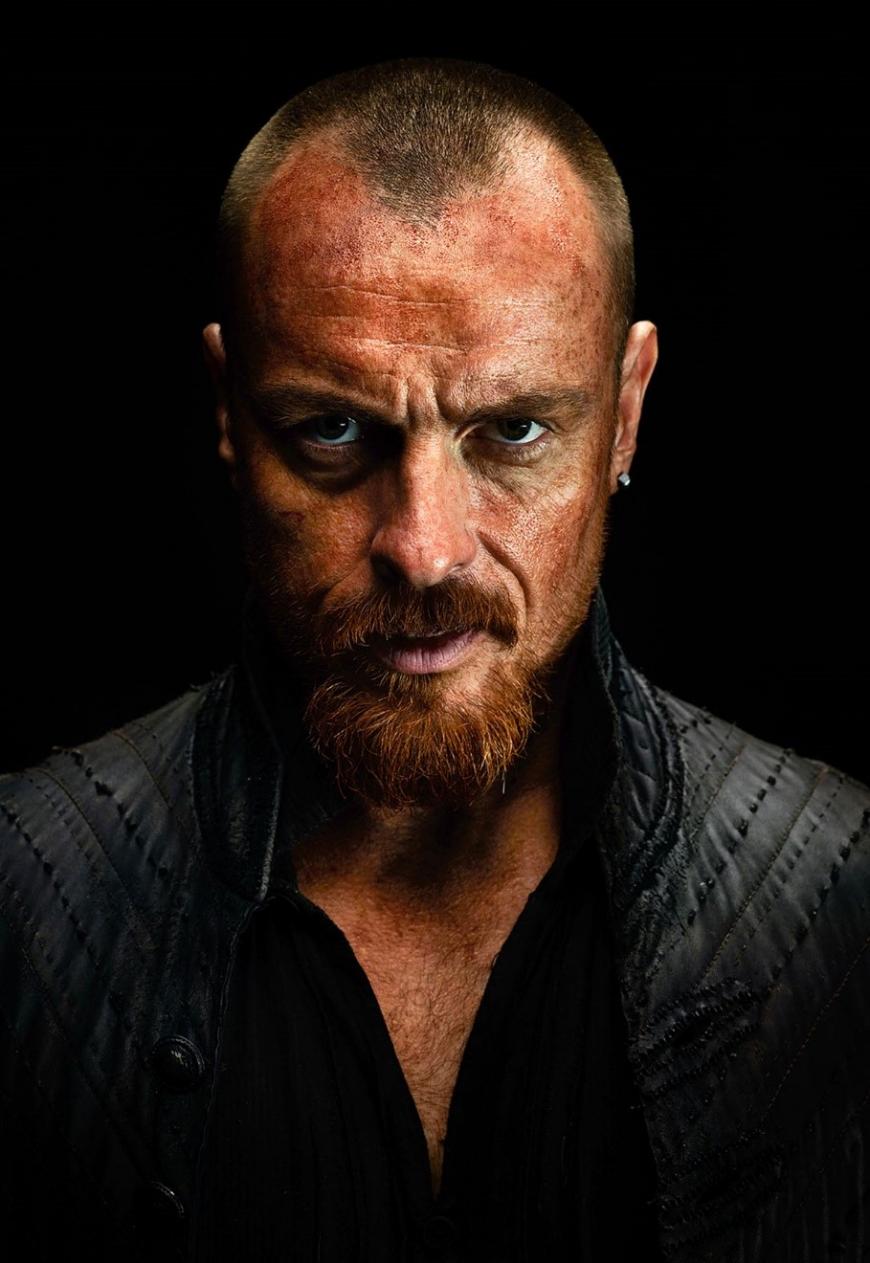
“Cpt. Flint” – Leader of pirates, main character from TV show “Black Sails”, subject of my 3D sculpting epic endeavor

Hi guys! I must start by saying that what you’re about to witness is by no means a finished, fully-accurate 3D replica of a living actor but rather a first attempt at walking through and exploring (and at the same time enduring) the process of how such a complex endeavor can be accomplished. And it is indeed complex, if you consider the infinite variations in human anatomy, expressions, micro-expressions, hair placement, asymmetry, skin tone, skin-detailing (skin directionality, wrinkles, pores, skin imperfections, moles, etc.) and plenty more subtleties we don’t even consciously notice but invariably pick up on and interpret when beholding a portrait, or even more so, a fellow human.

So, on the premise that this is no more than an exercise, albeit it a fascinating one, photorealistic accuracy has at times been neglected or even “obstructed” by more generic values in the light of reaching its broader scope, namely representing the “feel”, “gist” or “presence” of the chosen subject.

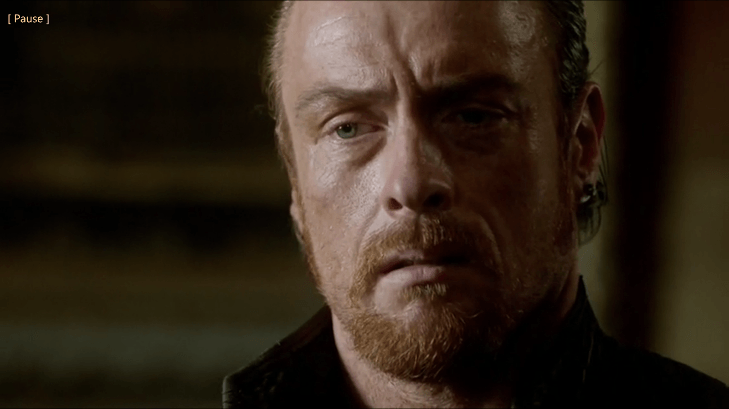
What determined me to choose this particular character in the first place, is exactly his undeniable and overwhelming “presence” that radiates throughout the series, corroborated with keen intelligence, fierce determination and an infallible gift for strategizing. Some of the above shots I think exquisitely capture these traits and, in particular, the one below, which I used as main reference throughout the process (with a bonus interpretation). 
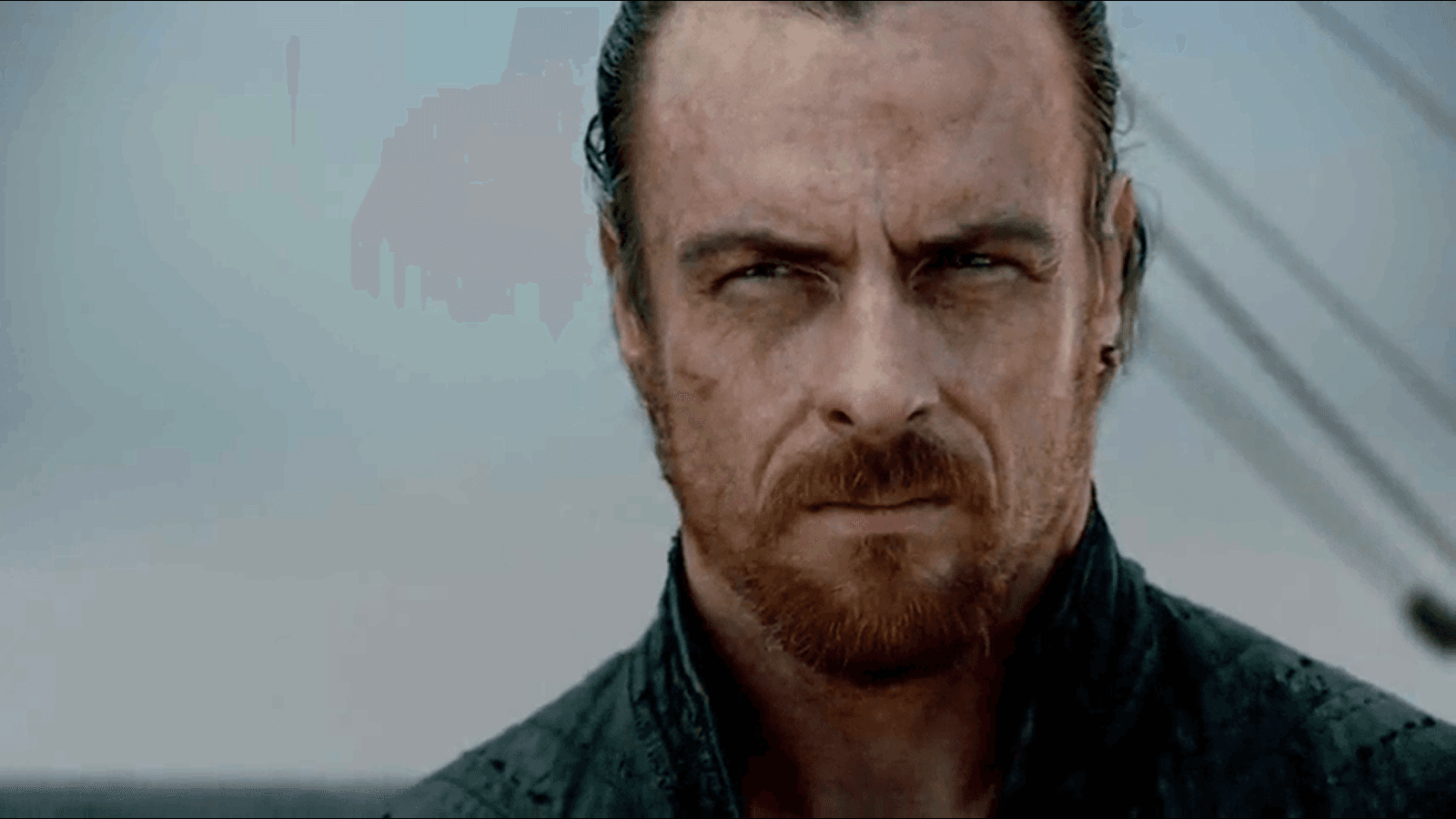
Infamous-look

“The infamous look” used to express incredulity and contempt towards authority and its compulsory set of mind numbing values such as servility, conformism and prejudice (watch the series for more insight)

Onward: the sculpting process

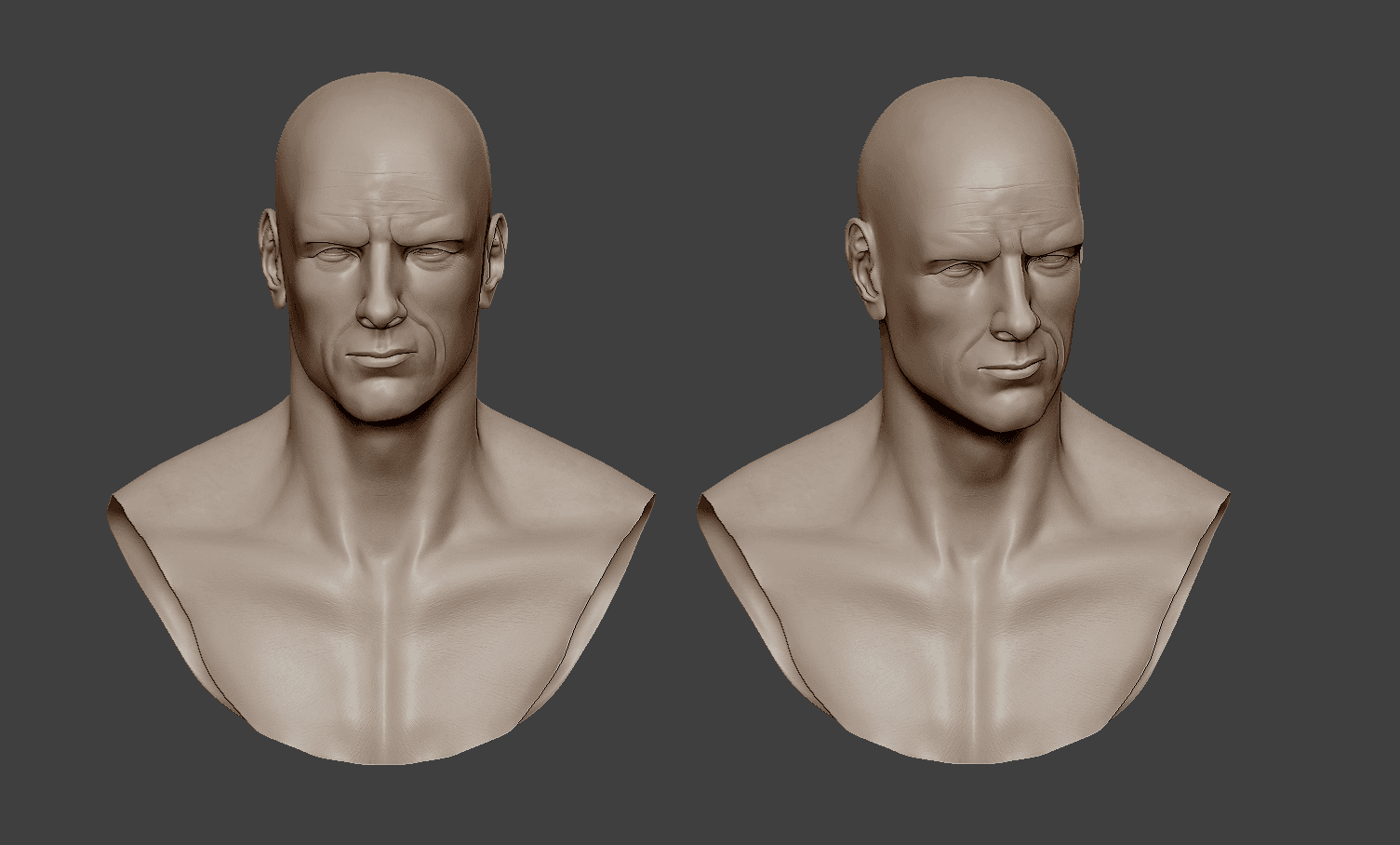
OK, so without further ado, here are some of my results after about two weeks of trial and error (and some failed nerves along the way):

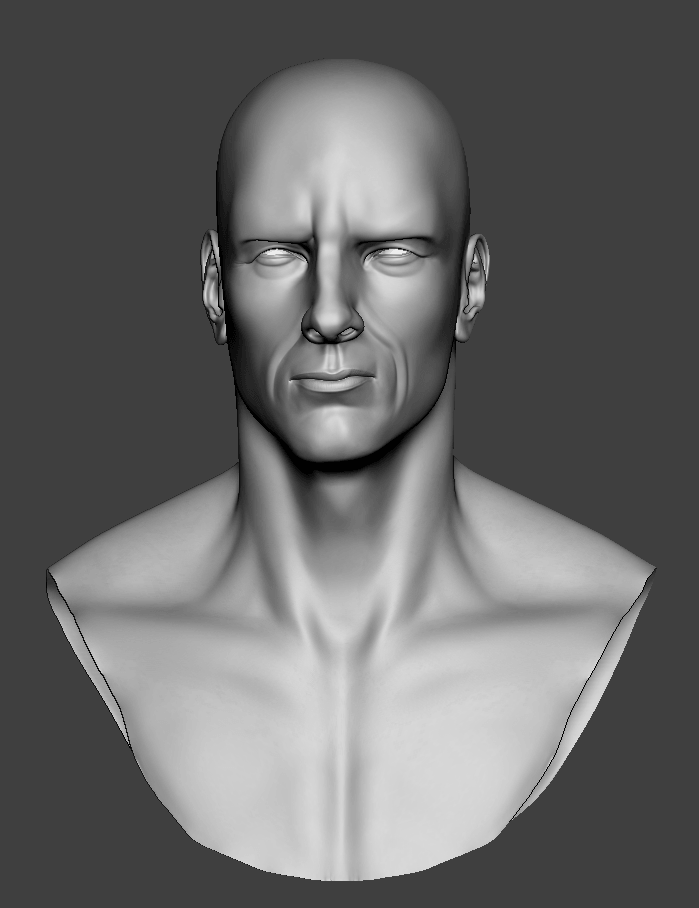
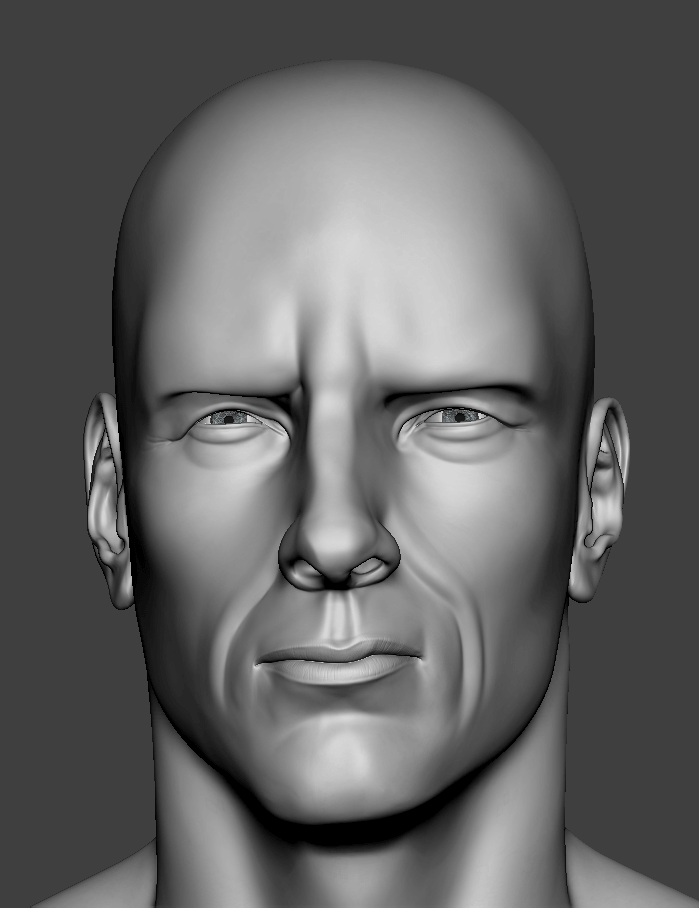
Basic render shots cropped from the canvas of the 3D sculpting application I used, namely ZBrush;

Larger images provided towards the end so be sure to cover the whole of this fine material

Now, what’s missing is a fully accurate set of wrinkles, pores, veins, exact number of brow hairs or facial ones, soul-penetrating eyes, clothing details, dramatic pose and lighting conditions and a mind bending photorealistic render, just to name a few…not to mention the total lack of hair on his head. But, like I said, as a work in progress and exercise my interest and struggle was to capture the aforementioned “look”. Everything else is but a further enterprise in testing and honing your (or rather mine) patience, skill level and perseverance…

OK, so after this brief contemplative break and since this is as far as I’ve got so far, let me walk you through the creative process, without evoking too much of the “tenebrous” technical side.

So, after watching the whole show and becoming thoroughly acquainted with its characters, and in particular Cpt. Flint - the most infamous and feared pirate leader, I set about laboriously gathering reference images and creating a sort of collage to have readily available as refference. This was then implemented as an adjustable texture image on the canvas through the Spotlight Feature of Zbrush.

Now I am ready to begin the actual sculpting process by dragging a Dynamesh sphere and starting to symmetrically block out the shape of the character’s head.

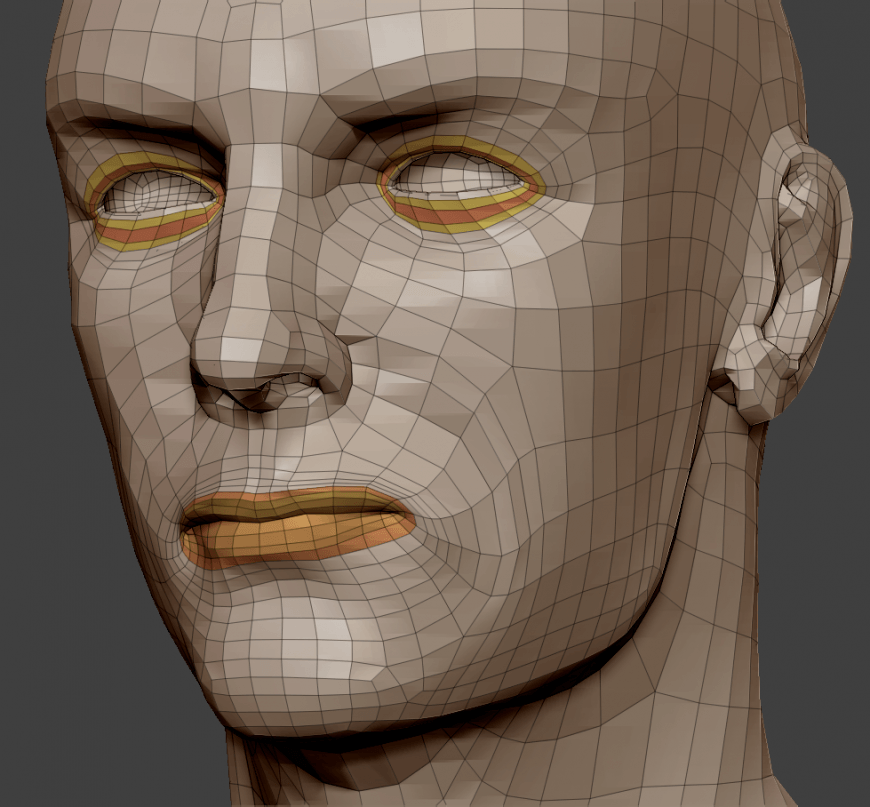
Given the fact that Dynamesh allows you infinite flexibility when it comes to modeling but doesn’t generate efficient, usable topology (the way in which the polygons creating the surface are arranged) for a realistic character (eg: the area around the mouth and eyes should follow the circular direction aka “flow” of the Orbicularis Oris and Oculi that is ideal for animation and blend shapes), I tried my luck with the ZRemesher feature of ZBrush that automatically generates clean topology based on your specifications. Unfortunately, this hasn’t worked to my liking so I decided to do it manually, using a piece of software called Topogun. After a day’s work I managed to create some decent topology based on my initial Dynamesh model and then project the Dynamesh details onto the new topology.
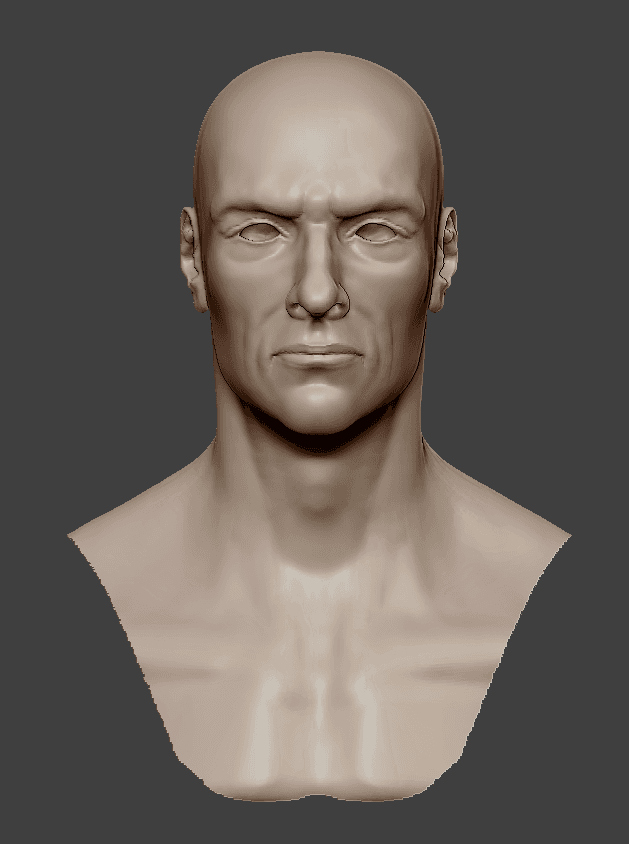
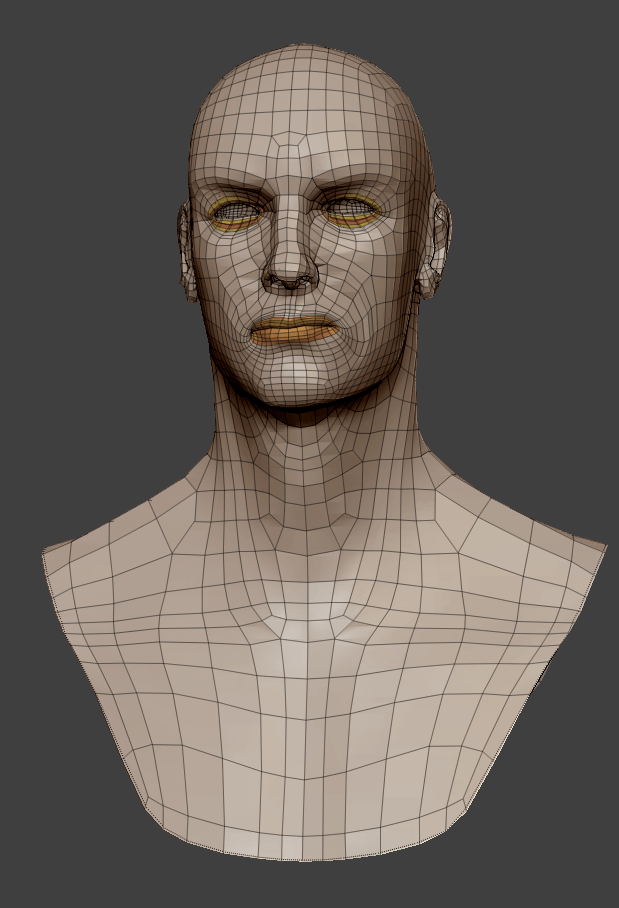
Dynamesh image
Dynamesh image


 Dynamesh image


From here on out it’s just iteration after iteration while trying to reach a satisfactory level of likeness…Also, I broke the symmetry at an early stage (perhaps too early) and started making major adjustments on the first few subdivision levels and only then, by gradually subdividing, I proceeded in further refining the surface. 

The 4th and 6th iterations (from left to right) It looks as if things had started to take a somewhat creepy turn at this point while gradually straying from the likeness… So what I have gathered from this is that it’s always beneficial to take a step back, take a break from watching that familiar “horde of pixels” and only then come back rejuvenated only to discover something got lost along the way…and preferably not sanity…
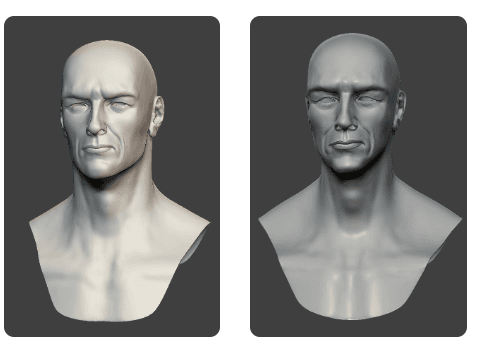
Dynamesh gallery.

Since there are 23 iterations so far on this long quest for the elusive likeness mojo I will only provide a few more examples of the “misfits” encountered along the way…

A particularly menacing “Cpt. Pollution” version of the proper “Cpt. Planet” one that is only to emerge later next to one with an apparent Aphex Twin grin... (left to right
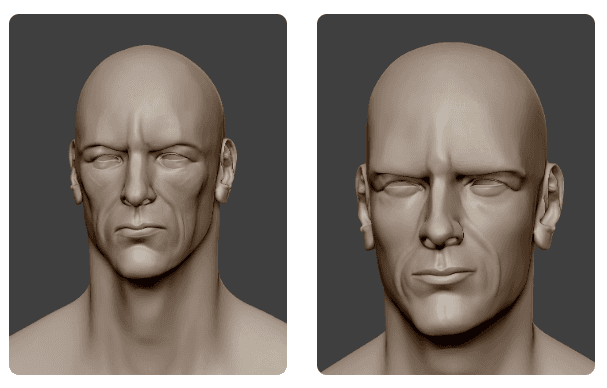
Dynamesh character

Anyway, long story short, after subsequent perilous plot holes I gradually approached the final look (which is the closest I could get to so far) and thus finally started adding some finer details on different layers so as to preserve as much control as possible.

Dynamesh final form


Dynamesh final form


I also used these proxy eyes at some point but eventually decided to use the lesser descriptive ones.

So the 1st layer I created contains just random surface noise so as to break the seamless smoothness of the mesh (apart from the mouth and eyes area).

Next I started to add skin directionality by applying some alphas on the surface more or less taking into account how it actually behaves on human skin (for this I used some images as reference from http://www.surfacemimic.com/.
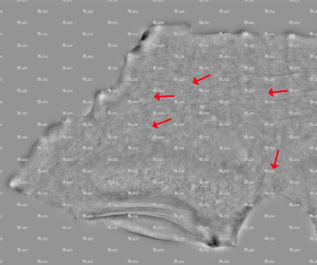
Human nose details 


Human nose details


Notice the "flow" of the skin, in the case of the left forehead portion of a 40 years old male and on the nose, respectively.

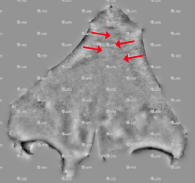
Some of my results by applying a simple alpha (shown below) and then duplicating the layer (the 1st one set to 1 (100%), the other at 0.35.Forehead
Skin details Skin details

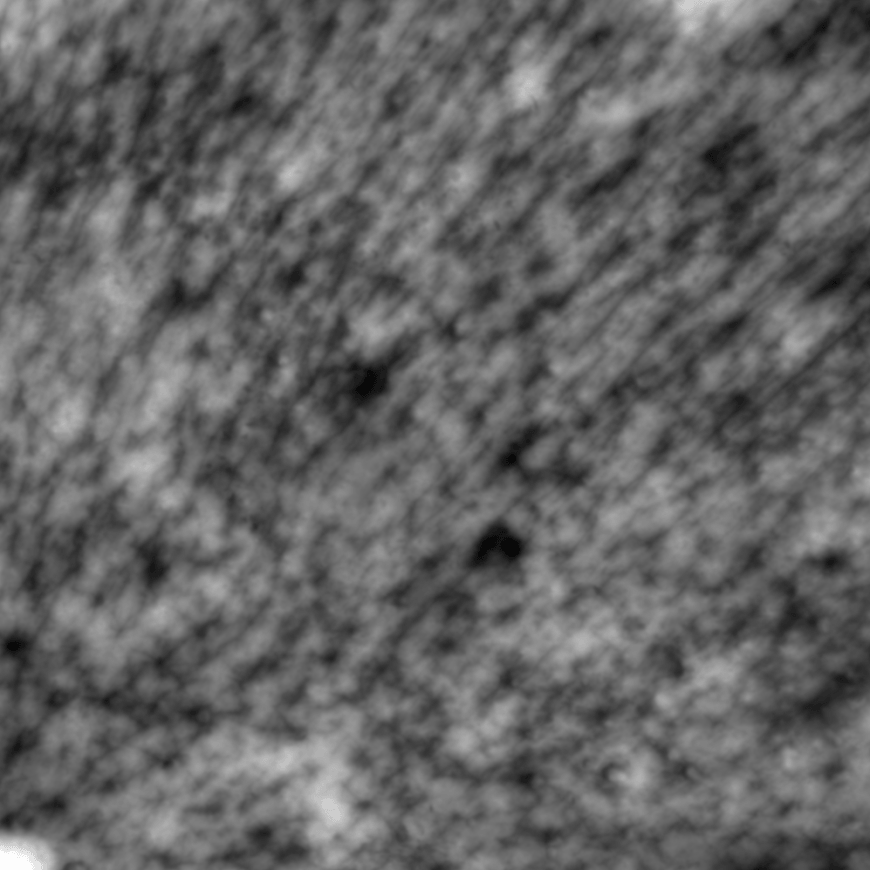
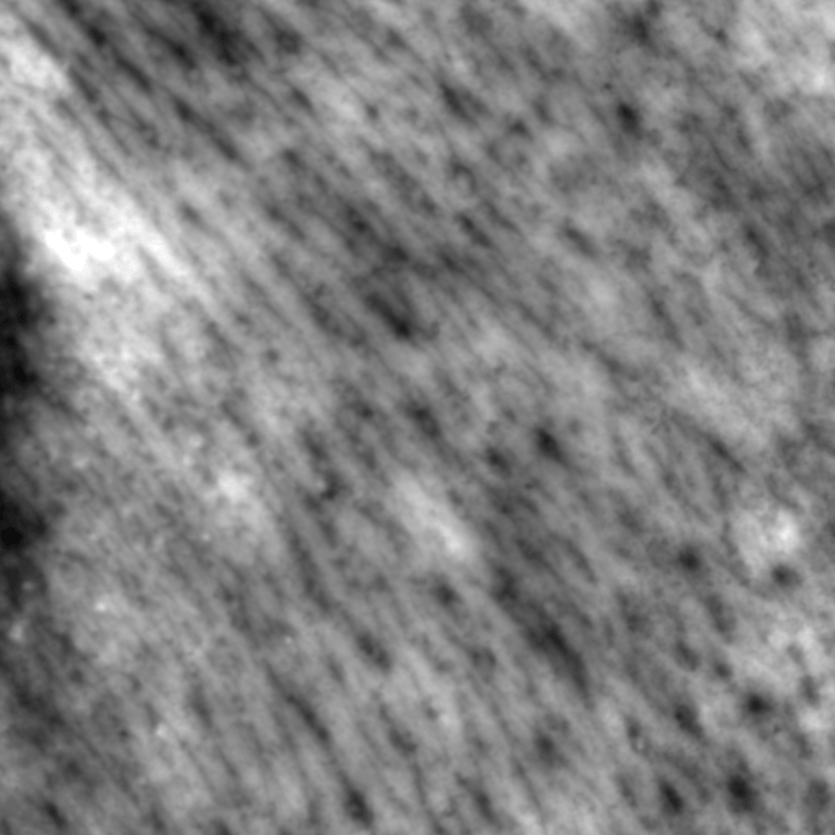
These 2 alphas are definitely more accurate when it comes to skin directionality (from an actual human 3D scan), but I only stumbled upon them later so perhaps I’ll apply these instead at some point…time will tell…

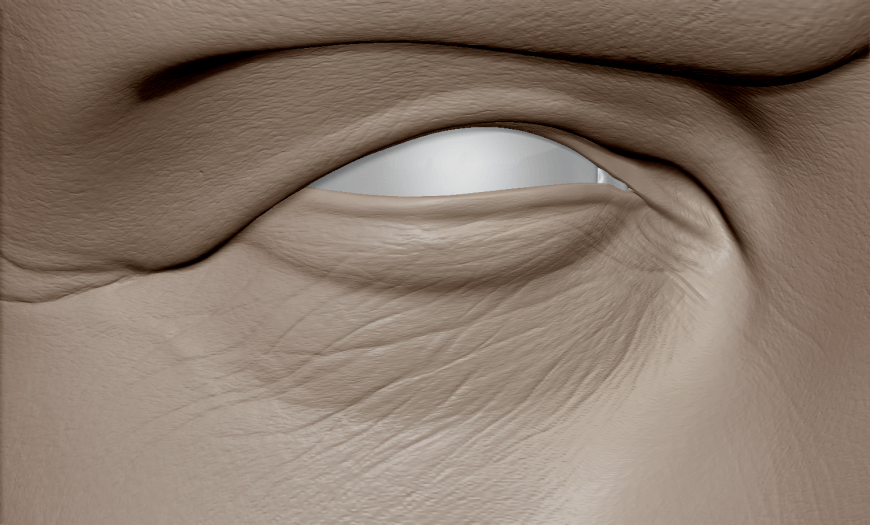
Some subtle eye wrinkles on a new layer (0.8 value)
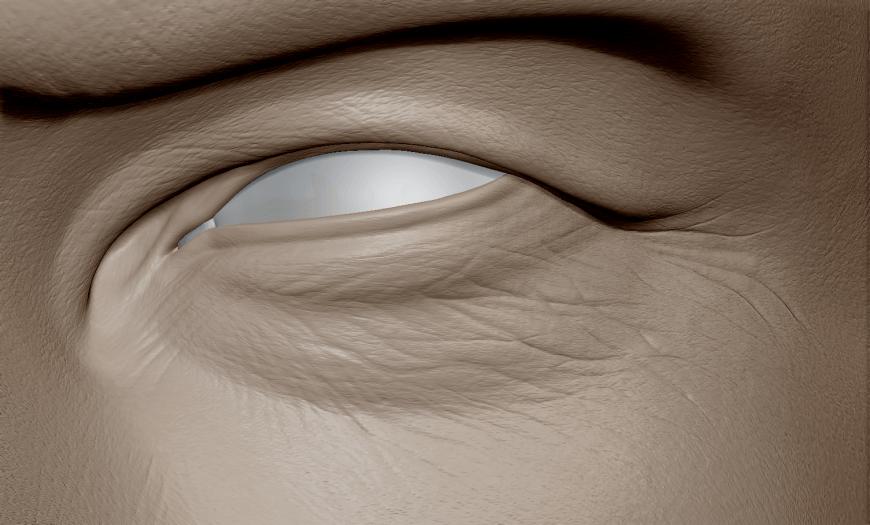
Eye details 


Eye details


Lip details

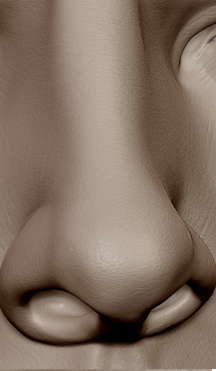
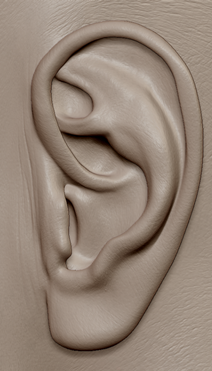
Other various examples of wrinkles and skin details

ear details


nose details


ear details


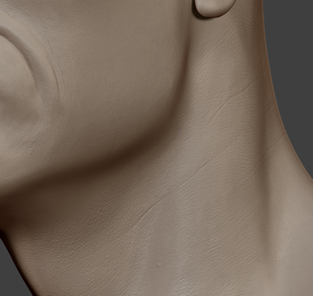
Example of forehead and neck wrinkles
 

forhead details


neck details


OK, so other details include various types of pores depending on the corresponding area of the face, for example:


Neck bumps


nose pores
Alpha that I used for generally creating pores and, in particular, the ones on the nose (left)


pores
Longer pores for the cheeks and areas with greater stretching


Flint

After the skin detailing (which included some more mild imperfections and moles) I changed the overall pose of the head (tilting it to the right, on a new layer) and further adjusted the shape so as to remove any unnatural lumps that resulted; I then applied the same movement to the eyes and created the beard by using Fibermesh
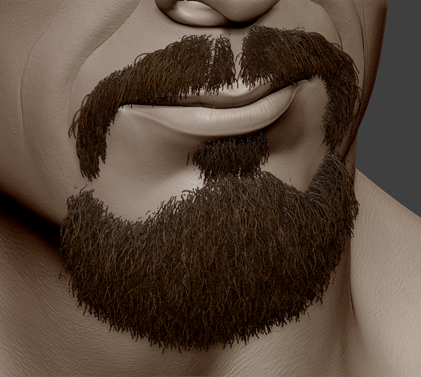
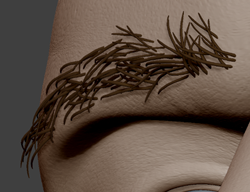
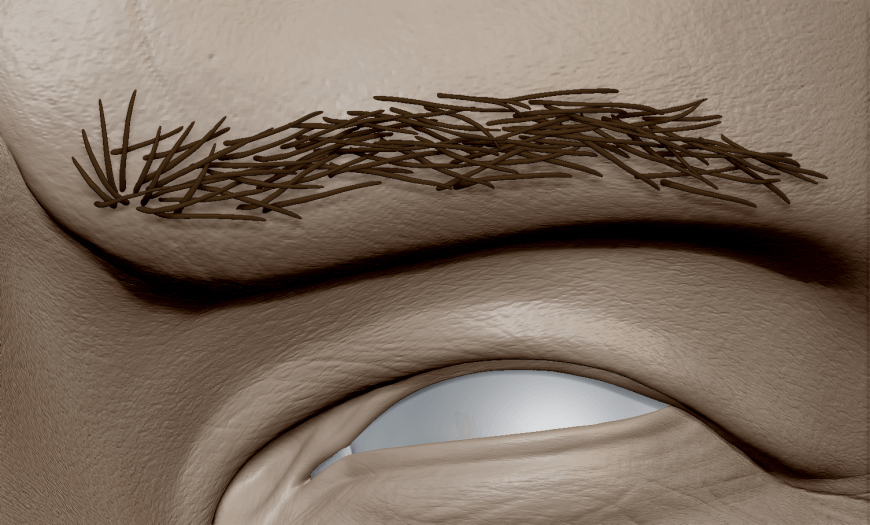
Beard details brow details


brow details

The eyebrows, however, were created by individually placing each hair (in its turn created using ZSpheres); the same process applies to the eyelashes (on my ‘to do’ list, for sure)

I created the earring using the ZModeler brush (used for hard-surface modeling), another infinitely powerful tool the software is equipped with.
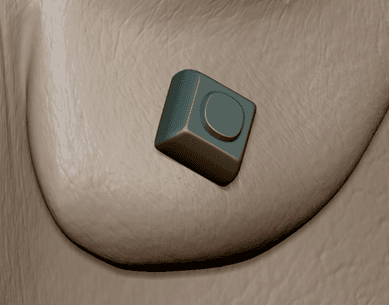
earring

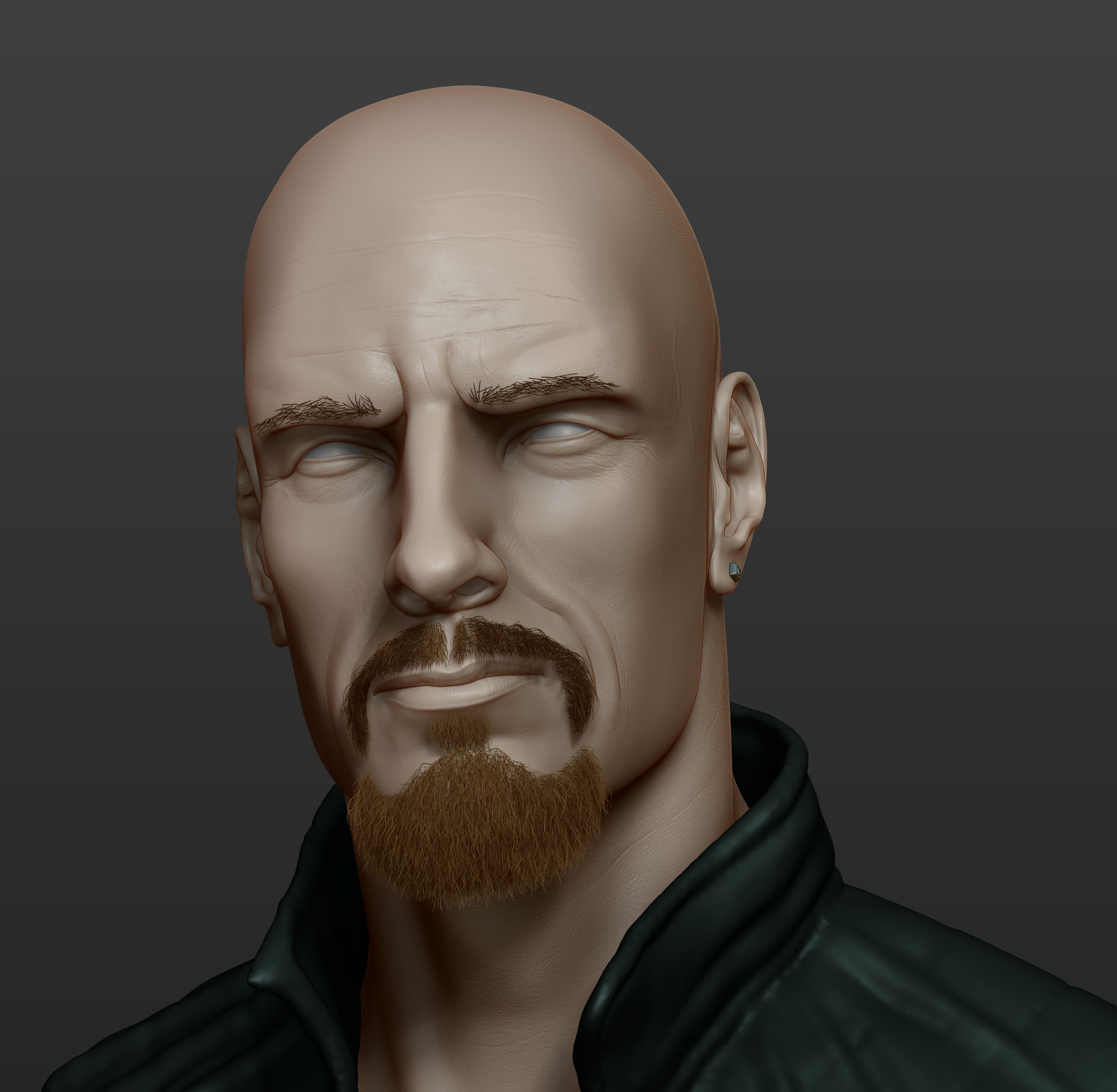
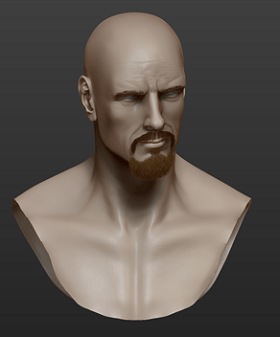
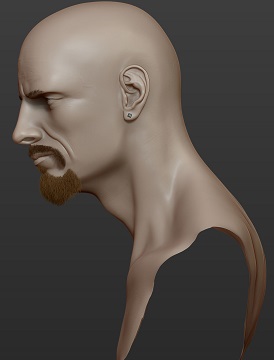
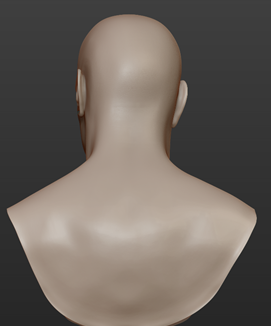
OK, so below I showcase a couple of better rendered images of the character as well as the front, side and back of the whole bust.
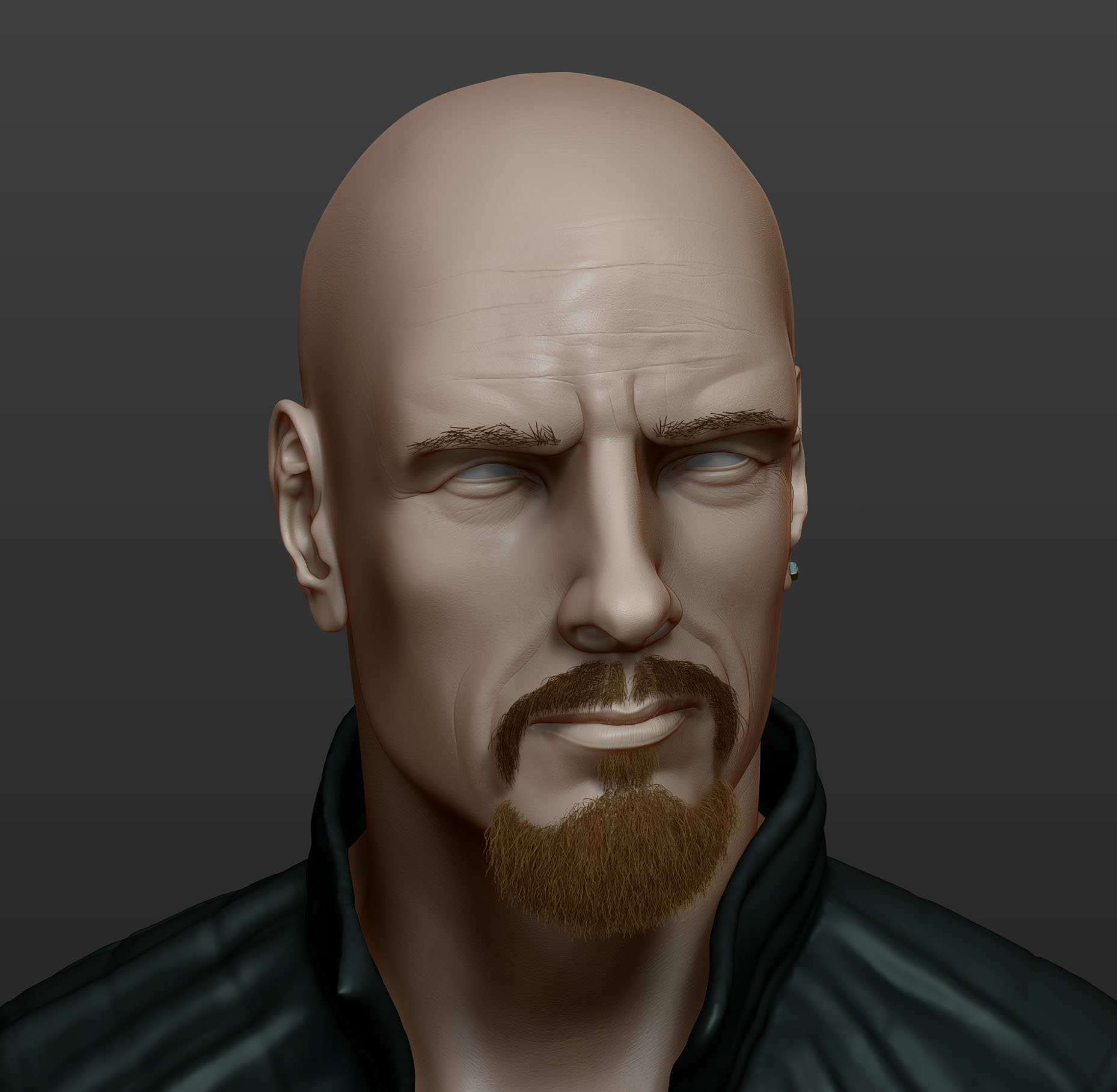
 

Flint image
Flint image
Flint frontFlint sideFlint back
And now...some closure

So, to wrap this up, I hope this brief introduction to the process of creating a 3D likeness sculpture has been broadly effective in inspiring you to investigate it further and, most importantly, to try it out for yourself…You will undoubtedly learn a great deal on the way and, in the light of the axiom ‘there is always room for improvement’, constantly produce better and better results (as I’m sure I myself will). It goes without saying then (but I will quote it anyway) that all you have to do is “Just DO IT!” (and, equally important, find a less prosaic motivational mantra).

Good luck and thanks for tuning in!
Share on:

I have read and understood the ASSIST Software website's Terms of Use and Privacy Policy.

Want to stay on top of everything?

Get updates on industry developments and the software solutions we can now create for a smooth digital transformation.

Frequently Asked Questions

1. Can you integrate AI into an existing software product?

Absolutely. Our team can assess your current system and recommend how artificial intelligence features, such as automation, recommendation engines, or predictive analytics, can be integrated effectively. Whether it's enhancing user experience or streamlining operations, we ensure AI is added where it delivers real value without disrupting your core functionality.

2. What types of AI projects has ASSIST Software delivered?

We’ve developed AI solutions across industries, from natural language processing in customer support platforms to computer vision in manufacturing and agriculture. Our expertise spans recommendation systems, intelligent automation, predictive analytics, and custom machine learning models tailored to specific business needs.

3. What is ASSIST Software's development process?  

The Software Development Life Cycle (SDLC) we employ defines the stages for a software project. Our SDLC phases include planning, requirement gathering, product design, development, testing, deployment, and maintenance.

4. What software development methodology does ASSIST Software use?  

ASSIST Software primarily leverages Agile principles for flexibility and adaptability. This means we break down projects into smaller, manageable sprints, allowing continuous feedback and iteration throughout the development cycle. We also incorporate elements from other methodologies to increase efficiency as needed. For example, we use Scrum for project roles and collaboration, and Kanban boards to see workflow and manage tasks. As per the Waterfall approach, we emphasize precise planning and documentation during the initial stages.

5. I'm considering a custom application. Should I focus on a desktop, mobile or web app?  

We can offer software consultancy services to determine the type of software you need based on your specific requirements. Please explore what type of app development would suit your custom build product.   

  • A web application runs on a web browser and is accessible from any device with an internet connection. (e.g., online store, social media platform)   
  • Mobile app developers design applications mainly for smartphones and tablets, such as games and productivity tools. However, they can be extended to other devices, such as smartwatches.    
  • Desktop applications are installed directly on a computer (e.g., photo editing software, word processors).   
  • Enterprise software manages complex business functions within an organization (e.g., Customer Relationship Management (CRM), Enterprise Resource Planning (ERP)).

6. My software product is complex. Are you familiar with the Scaled Agile methodology?

We have been in the software engineering industry for 30 years. During this time, we have worked on bespoke software that needed creative thinking, innovation, and customized solutions. 

Scaled Agile refers to frameworks and practices that help large organizations adopt Agile methodologies. Traditional Agile is designed for small, self-organizing teams. Scaled Agile addresses the challenges of implementing Agile across multiple teams working on complex projects.  

SAFe provides a structured approach for aligning teams, coordinating work, and delivering value at scale. It focuses on collaboration, communication, and continuous delivery for optimal custom software development services. 

7. How do I choose the best collaboration model with ASSIST Software?  

We offer flexible models. Think about your project and see which model would be right for you.   

  • Dedicated Team: Ideal for complex, long-term projects requiring high continuity and collaboration.   
  • Team Augmentation: Perfect for short-term projects or existing teams needing additional expertise.   
  • Project-Based Model: Best for well-defined projects with clear deliverables and a fixed budget.   

Contact us to discuss the advantages and disadvantages of each model. 

1. Is ASSIST Software a reliable company for custom engineering?

Absolutely. Our partners have given us great recommendations and reviews, leading us to win The Manifest Award for Most Reviewed Software Developers. Further proof comes from our 97% employee retention rate and ongoing client partnerships for over 8 years.  

2. Are the ASSIST Software Romanian software engineers certified?

Yes. 85% of our software programmers are certified.  

At a company level, ASSIST Software is certified and recognized by industry players such as Microsoft, AWS, Google Cloud, Adobe, Drupal, Fujitsu, ISTQB, and others.  

Our employee certifications are tremendously important as they reflect the shared commitment to long-term growth.

3. Why should I choose Romania for custom software development? 

Romania has become a significant player in custom software development, attracting businesses worldwide. Romania boasts the highest number of certified IT specialists in Europe and ranks sixth globally, surpassing even the US in tech specialists per capita.  

At ASSIST Software, what sets us apart is our team and our location: our engineers are certified, experienced, and flexible, while being in the +2 GMT time zone allows us to easily facilitate meetings with clients all over the world.

4. What team will work on my project, and where will it be located?

ASSIST Software's headquarters is in Romania, a prime country for software development outsourcing. Our 350+ software engineers speak English and have a deep passion for innovation.  

We provide regular project updates through reports, meetings, and online dashboards. Generally, you'll have access to a dedicated project manager who will be your point of contact for any questions or concerns.  

5. How much will my project cost me?

Our prices are competitive, and as per our working model, we guarantee you will be satisfied with the result. Frequent meetings, check-ins, and a great communication structure will ensure this outcome.   

Project costs depend on various factors, including complexity, scope, required technologies, and team size. We'll gather detailed information about your project during the initial consultation to provide a customized quote and we guarantee that you will be able to see the benefits of bespoke software.  

1. What technologies do you work with?

ASSIST Software tackles your projects with a robust tech stack. We build native and cross-platform mobile apps, craft user-friendly web experiences, and create stunning visuals. 

Our wide-ranging expertise starts from Java, Python, and JavaScript frameworks to cutting-edge solutions like AR/VR, blockchain, and AI/ML. We also manage databases, leverage cloud platforms, and ensure flawless project execution. We're your one-stop shop for exceptional software development from concept to deployment. You can view our expertise for more details.   

2. Are you experienced in AI/ML development?

Yes. We have extensive experience in data engineering and machine learning operations (MLOps). We can employ neural networks, computer vision, and AI models to benefit your ideas.   

You can trust our long-term experience with big data, NLP, and sentiment analysis, as over the past three years, we led a European security project with 15 partners focused on detecting radicalization on social media and the dark web.

3. Do you have a research and development department and work on European Projects?

We know R&D is crucial for businesses to stay competitive and thrive in dynamic markets. Successful R&D efforts lead to developing exceptional products or services, improved efficiency and effectiveness in operations, and enhanced market positioning.   

We have established solid partnerships with 160+ European research companies, universities, and research centers (e.g., Fraunhofer, TWI, University of Heidelberg, REWE Group, SINTEF, etc.) and have participated as technical partners in over 25 EU-funded projects.  

4. Besides custom software solutions, what other services do you offer?

  • Design Thinking for Breakthrough Products:  

    We craft user experiences that resonate. Our design process is an immersive collaboration, starting with workshops to uncover your vision and user needs. We conduct market research, analyze the competition, and guide you toward cutting-edge solutions in accordance with your business requirements.  

  • Digital Transformation to Reimagine Your Business:

    Digital transformation is nothing less than a strategic shift. We empower you to become more agile and data-driven, optimizing core processes for the digital age.  

  • Scale with Confidence as We Build for Growth:  

    We understand that business success and development mean new challenges. Our solutions are built to scale seamlessly, accommodating increasing user bases and data volumes without sacrificing performance or security.  

5. As a company, does ASSIST have its own software products?

Yes, ASSIST Software teams have been involved in designing and developing innovative products that address community needs. One such example is the web and mobile platform Autisma. This therapy assistant enables continued learning for children diagnosed with autism spectrum disorder.   

Our extensive knowledge of the Unity and Unreal engines has allowed us to develop two mobile games, Elly and the Ruby Atlas and Hooman Invaders, as well as various Unity Assets, such as the Real-Time Weather PRO and Easy Sky. These two Unity assets allow Unity developers to control the weather and sky in their projects.   

1. Is ASSIST Software hiring right now?

We are always looking for great people to join our team, whether you're a senior software engineer or a new talent seeking an IT career. Please check our careers page and contact us. Our HR department will contact you as soon as possible.   

2. Is ASSIST Software organizing internships?

Yes. Each year, we organize individual and group internships for students. Our long-term partnership with the Stefan cel Mare University of Suceava allows us to put together great events for students and help them get started in the industry. 

3. What type of learning culture does ASSIST Software encourage?

Our focus on innovation comes from a 'can do' attitude and the continuous learning we encourage our colleagues to pursue. We frequently organize workshops, learning sessions, presentations, and masterclasses. All these events are free and open to our colleagues and aim to support their professional and personal development. 

4. How does ASSIST Software focus on teamwork?

The key to stellar teamwork is the quality time we spend together. ASSIST employees and their families are frequently invited to participate in all activities. We encourage a healthy lifestyle by promoting and organizing hikes, bike riding sessions, marathons, volleyball, football and tennis matches, ping-pong championships, and many more.   

We show our care for the environment through reforestation campaigns and forest cleaning activities.   

We also have an English-speaking club, e-sports gaming nights, tech discussions, networking parties, and board game sessions.   

5. How does ASSIST Software give back to the community?

Volunteering and charity are essential to us, which is why we founded the ASSIST Humanitarian Foundation. We genuinely care about our community and want to improve the future. We invest in IT equipment for schools and award excellent teachers. We also help hospitals and fire departments enter the 21st century.   

We sponsor cultural events and deliver humanitarian aid to those in need. If you agree with our views, you can also donate.   

ASSIST Software Team Members