Is Your Software Ready for AI Agents?
TL;DR
- Most enterprise applications were built for people who open an interface, search, decide, and click. AI agents work through programmatic access, which puts pressure on APIs, integrations, and permissions.
- The Model Context Protocol (MCP) helps connect agents to tools but does not replace well-designed APIs, reliable integrations, or security controls.
- Agents should work with minimal permissions, separate read access from write access, and need human approval for sensitive changes. A company does not necessarily have to rebuild its platform to start.
Most enterprise applications were designed for people, not AI agents. A person opens an interface, searches for information, makes a decision, and clicks a button. An agent can interact with several systems, retrieve the information it needs, and prepare or execute actions within defined permissions, provided the software supports it.
Consider a hypothetical order management workflow. An employee receives a request to modify an order, opens the ERP system, checks product availability, reviews customer information, and updates the order. An AI agent could retrieve the inventory data, check the order history, identify available alternatives, and prepare the modification for approval. It cannot simply be given unrestricted access to every application involved. It needs reliable ways to interact with those systems, clear rules about permitted actions, and mechanisms that prevent incorrect changes.
What an Agent Needs From an API
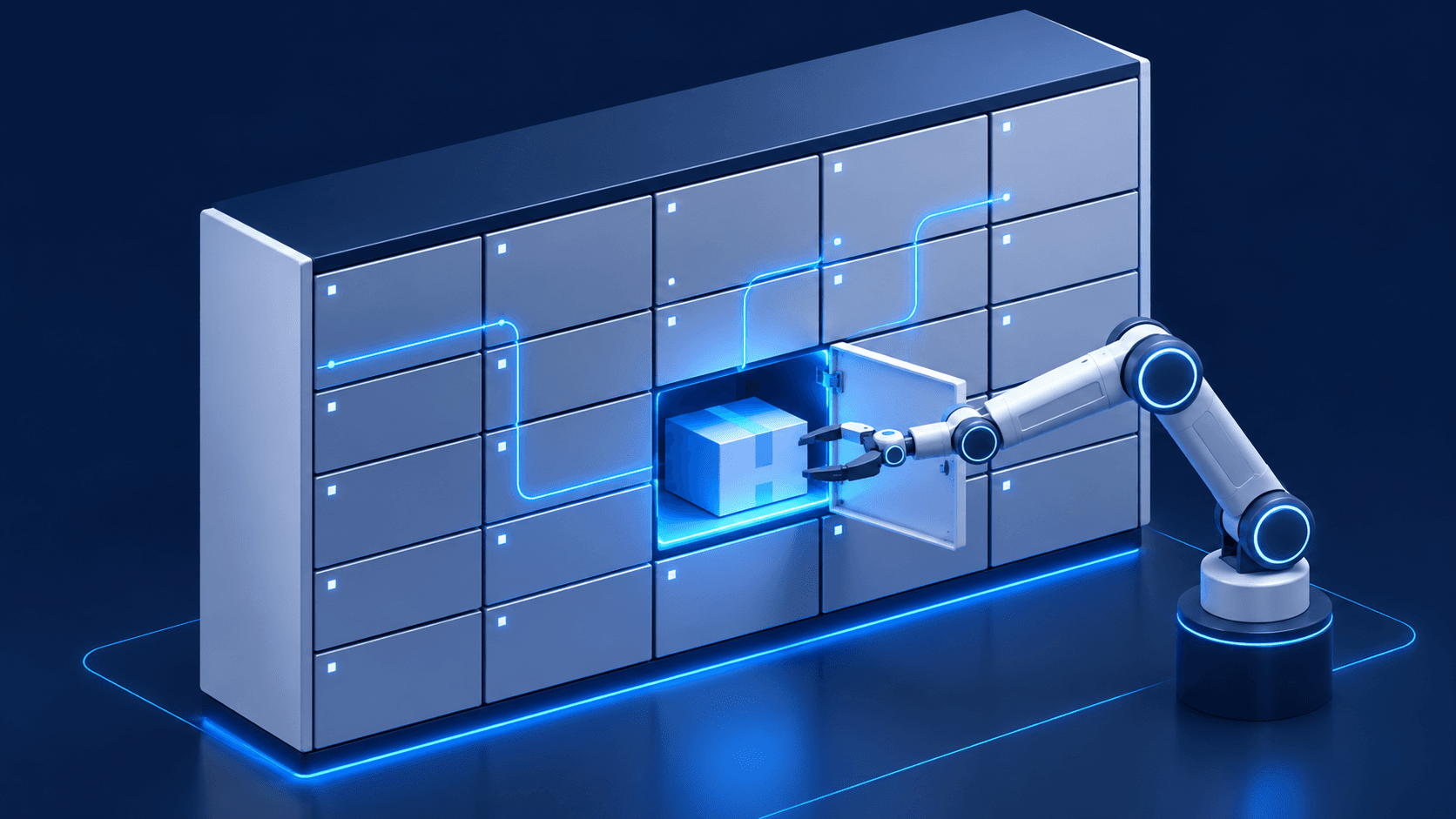
An API might let an agent retrieve an order, check inventory, or submit a request. Exposing those functions is the starting point. The application also has to define what each operation does, validate its inputs, and return meaningful responses when something goes wrong, since an agent acts on the interface's responses. Vague errors or undocumented side effects can lead to wrong follow-up actions.
The Model Context Protocol (MCP) provides a standard way to connect AI applications with external tools and data sources. It does not replace the underlying APIs, business logic, or security controls. The MCP specification itself states that the protocol cannot enforce its security principles, and tells implementers to build consent and authorization flows and access controls into their applications.
Integration Weaknesses Carry Over
Enterprise workflows rarely happen inside a single application. An order management process may involve an ERP, a CRM, an inventory database, and a separate approval system, and an agent may need information from several of them to finish one task. If those systems use inconsistent data formats, outdated interfaces, or poorly documented integrations, the agent inherits those limitations. Systems integration, data consistency, error handling, and reliable communication between services remain essential, and adding an agent does not eliminate that complexity. In some cases, it makes existing weaknesses more visible.

Limiting What an Agent Can Change
Retrieving information and changing business records carry different risks. An agent checking product availability poses different risks from one who modifies an order, approves a payment, or updates customer information, so the application should treat them differently.
The OWASP AI Agent Security Cheat Sheet lists tool abuse and privilege escalation among the key risks: agents using overly permissive tools to perform unintended actions or reach unauthorized resources. Its guidance includes granting agents the minimum tools their tasks require, scoping permissions for each tool, including read-only versus write access, and enforcing authorization outside the agent’s context. For high-impact actions, it refers to dedicated integrity controls and recommends failing closed when an approval requirement is missing.
In the order example, this means the agent operates under its own identity with only the permissions its task requires, read operations remain separate from write operations, and changes to sensitive records, such as payments or customer data, wait for human approval and are logged for audit. The agent gathers information and recommends an adjustment, and an employee confirms the final change.
Where ASSIST Software’s Experience Applies
Preparing software for agents builds on work that engineering teams already do: connecting applications to existing infrastructure, handling business-specific requirements, and keeping systems reliable. One example from ASSIST Software is CounteR, an EU-funded platform for AI-assisted analysis of online radicalization that we coordinated until April 2024. Our team designed the architecture, back-end microservices, identity and access management, and API gateway, integrated analytical components from project partners, and ran Kubernetes-based cloud and on-premises deployments for end-user pilots. CounteR was not an AI agent project, but it relied on the layers an agent depends on: service interfaces, access control, and integration between components built by different teams. We describe what enterprises should evaluate when moving AI from pilot to production in a separate article.
A company does not necessarily have to rebuild its platform to introduce agent-based workflows. Depending on its architecture, it can expose selected capabilities through secure APIs, improve existing integrations, and gradually introduce controlled automation.
What to Check Before Connecting an Agent
Before an agent touches a business workflow, teams should be able to show that existing applications expose the functions the agent needs, that permissions are enforced consistently, that actions can be validated and traced, and that an integration failure or unexpected input has a defined outcome. If you are planning to connect AI agents to existing applications, we would like to hear about what you are building.

Frequently Asked Questions
- Does MCP make an application ready for AI agents?
No. MCP provides a standard way to connect AI applications with tools and data sources, but it does not replace the underlying APIs, business logic, or security controls. The MCP specification states that the protocol cannot enforce its security principles, and tells implementers to build consent and authorization flows and access controls into their applications.
- How should permissions work for AI agents?
Agents should receive the minimum access required for their task, with permissions scoped per tool and a clear distinction between read-only and write access. OWASP’s AI Agent Security Cheat Sheet recommends enforcing authorization outside the agent’s context, and sensitive or high-impact actions should require human approval and leave an audit trail.
- Does a company need to rebuild its platform to use AI agents?
Not necessarily. Depending on the architecture, a company can expose selected capabilities through secure APIs, improve existing integrations, and introduce controlled automation step by step. The first task is to establish what the current systems can safely support.